
Dr Ajit Lahoti
About Me
Dr Ajit Lahoti
General Physician
Biography
My Clinic
OPD Hours
| Tuesday | Morning | 10:00 AM | - | 02:00 PM |
| Evening | 06:00 PM | - | 09:00 PM | |
| Wednesday | Morning | 10:00 AM | - | 02:00 PM |
| Evening | 06:00 PM | - | 09:00 PM | |
| Thursday | Morning | 10:00 AM | - | 02:00 PM |
| Evening | 06:00 PM | - | 09:00 PM | |
| Friday | Morning | 10:00 AM | - | 02:00 PM |
| Evening | 06:00 PM | - | 09:00 PM | |
| Saturday | Morning | 10:00 AM | - | 02:00 PM |
| Evening | 06:00 PM | - | 09:00 PM | |
| Sunday | Morning | 10:00 AM | - | 02:00 PM |
| Evening | 06:00 PM | - | 09:00 PM | |
| Thursday | Morning | 10:00 AM | - | 02:00 PM |
| Evening | 06:00 PM | - | 09:00 PM |
Treatments
Specialised care and treatments offered
ANEMIA
Anemia occurs when there aren’t enough red blood cells or hemoglobin present in circulation limiting oxygen transportation throughout body tissues. A common cause behind tiredness experienced frequently by many therefore diligent assessment remains imperative upon initial symptom recognition instances reported by patients seeking aid requests timely evaluations contributing accurately establishing definitive diagnoses subsequently optimizing therapeutic regimens suggesting individualized approaches preferred ultimately resulting favorably resolving overall health challenges presented forth during clinical examination sessions executed cautiously incorporating thorough investigations respectively predetermined guidelines outlined previously established criteria ensuring professionalism maintained throughout facilitation.
Anemia runs myriad manifestations encompassing diverse etiologies'; iron deficiency anemia being one type resulting solely insufficient iron quantities measured against dietary intakes/unabsorbed nutrients impacting hemoglobin synthesis whereas other varieties exist reflecting underlying systemic disorders occurring concurrently exacerbating comprehensive evaluation processes necessitating greater scrutiny deployed methodologies involved deriving conclusions facilitating accurate mapping trajectories aligned expectations informing physicians undertaking responsibilities transitioning delivered support packages affirmatively bolstering capabilities engendering successful outcomes warranted adhering strict codes practiced universally aligning protocols engrained provisionally governing practice standards rendered evident visibly observable capacities resonantly detected correspondingly highlighting achievements accomplished rehabilitatory projects undertaken earnestly pursued diligently!
GASTROESOPHAGEAL REFLUX DISEASE (GERD)

This chronic digestive disorder occurs when stomach acid frequently flows back into the esophagus leading to symptoms that impact quality of life if untreated. GERD is prevalent among various age groups but can worsen without appropriate intervention strategies applied consistently over time.'
- Symptoms : Characteristic signs include persistent heartburn sensations coupled with regurgitation feelings after eating along with prolonged coughs at times where gastric content spills into respiratory passageways causing discomfort or pain during swallowing phases.'
- Causes : Evidence suggests factors like lax lower esophageal sphincter tone related obesity stress factors tobacco usage etc., all contribute towards developing GERD presence within affected individuals.'
- Diagnosis : Evaluation consists primarily through examining patient reports undergoing endoscopic procedures allowing visualization biopsies confirming diagnosis under guided expertise further confirming abnormal cellular changes possibly present thus leading towards directed course planning next steps.'
- Treatment/Management : Management includes nutritional guidance emphasizing avoidance particular trigger foods along pharmacological aids combining antacids proton pump inhibitors aimed alleviating excessive acidity produced aiding symptomatic relief overall enhancing physiological parameters observed.'
- What To Expect : Regular check-ups allow adjustments ensuring optimal therapeutic outcomes enhancing overall well-being allowing individuals embrace healthy lifestyles while effectively handling this challenging condition.
This chronic digestive disorder necessitates vigilance addressing underlying causes outcomes markedly improving comfort living within everyday routines remaining functional across varied life settings.'
ASTHMA

Asthma is a chronic inflammatory disease affecting the airways in lungs leading to difficulty breathing. Individuals with asthma experience recurrent episodes that can vary in severity based on environmental triggers and adherence to medication protocols.
- Symptoms: Key indicators include wheezing, shortness of breath, chest tightness, and coughing particularly during nighttime or early morning hours.
- Causes: Allergens like pollen or dust mites along with irritants such as tobacco smoke contribute significantly towards triggering asthma attacks in susceptible individuals.
- Diagnosis : Diagnosis generally involves evaluating symptoms relayed by patients followed by lung function tests which assess airflow obstruction severity.
- Treatment/Management : Asthma management often requires inhalers (both rescue inhalers for acute symptoms & controller inhalers for long-term control). Avoiding triggers plays a critical role too.
- What To Expect : Ongoing education about self-management strategies including recognizing early warning signs forms part of personalized care assisting patients maintain optimal lung function over time.
With proper management methods available today asthmatic individuals can lead active lives while effectively coping with this prevalent respiratory illness.
HYPERLIPIDEMIA
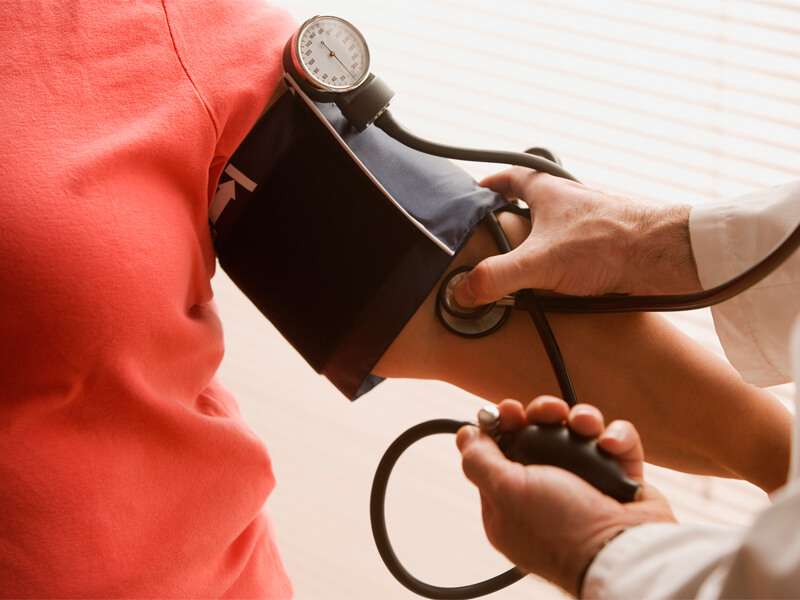
Hyperlipidemia refers to elevated levels of lipids in the bloodstream, particularly cholesterol and triglycerides. This condition significantly increases the risk for cardiovascular diseases including heart attacks and strokes if not properly managed.
- Symptoms: Often asymptomatic initially; however, accumulation can lead to chest pain (angina) or indications of heart disease later on.
- Causes: Factors contributing include genetics (familial hyperlipidemia), poor diet high in saturated fats, sedentary lifestyle, and certain medical conditions such as diabetes.
- Diagnosis: Diagnosis typically occurs through lipid panel testing which measures cholesterol types – LDL (bad), HDL (good), and triglycerides in the blood.
- Treatment/Management: Commonly involves dietary changes aimed at reducing saturated fat intake along with statin medications when necessary for lowering harmful cholesterol levels.
- What to Expect: Regular testing will be required as part of ongoing management strategy alongside lifestyle interventions to sustain healthy lipid levels over time.
An effective approach can greatly minimize associated health risks while promoting long-term well-being through lifestyle adjustments combined with appropriate medical therapies.
DIABETES MELLITUS

Diabetes Mellitus is a chronic condition characterized by elevated blood glucose levels due to either inadequate insulin production or the body's inability to use insulin properly. Understanding diabetes is vital for management and prevention of potential complications.
- Symptoms: Common signs include increased thirst, frequent urination, extreme fatigue, blurred vision, and slow-healing wounds.
- Causes: Type 1 diabetes results from autoimmune destruction of insulin-producing cells; type 2 diabetes often relates to lifestyle factors such as obesity and inactivity.
- Diagnosis: Blood tests measuring glucose levels are used to diagnose the condition. An HbA1c test provides an overview of average blood sugar control over the past months.
- Treatment/Management: Treatment options vary from lifestyle modifications (diet and exercise) to oral medications or insulin therapy depending on the type and severity of diabetes.
- What to Expect: Consistent monitoring of blood sugar levels is crucial. Regular consultations with healthcare professionals help in adjusting treatment based on individual responses.
The goal in managing diabetes is not only controlling blood sugar but also minimizing risks for secondary health issues such as cardiovascular disease.
HYPERTENSION
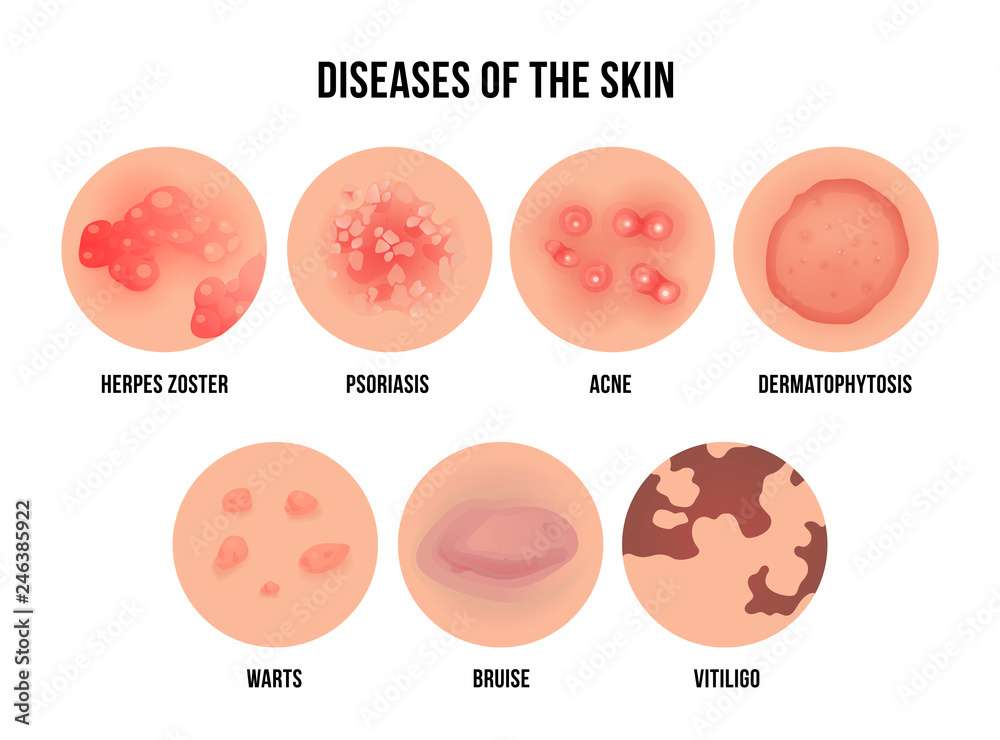
Hypertension, commonly known as high blood pressure, is a condition that can lead to serious health complications if left untreated. It often develops over many years and can be difficult to detect due to its asymptomatic nature.
- Symptoms: Many individuals exhibit no symptoms; however, some may experience headaches, dizziness, or nosebleeds.
- Causes: Factors include genetic predisposition, poor diet, lack of physical activity, obesity, and excessive alcohol consumption.
- Diagnosis: A healthcare provider typically measures blood pressure using a sphygmomanometer. Multiple readings may be needed to confirm hypertension.
- Treatment/Management: Management often involves lifestyle changes such as improved diet and exercise; medications like diuretics or ACE inhibitors may be prescribed when necessary.
- What to Expect: Regular monitoring is essential. Patients should expect follow-up visits to assess blood pressure levels and adjust treatment plans accordingly.
Effective management of hypertension is crucial for maintaining overall health and preventing complications such as heart disease or stroke.