Dr Ajitabh Soni

Dr Ajitabh Soni

MBBS
General Physician
5 238 ratings

About Me

Dr Ajitabh Soni

MBBS
General Physician
10 Years Experience

Biography

Dr. Ajitabh Soni is a compassionate and dedicated general physician with over 10 years of experience in providing comprehensive healthcare services. He completed his MBBS degree with a strong commitment to learning and has since been devoted to helping patients maintain optimal health and manage a wide variety of medical conditions. Dr. Soni believes in building a trusting relationship with his patients, making it easier for them to share their health concerns openly and receive personalized care tailored to their individual needs. As a general physician, Dr. Soni has extensive expertise in diagnosing and treating common illnesses, managing chronic diseases, and promoting preventive healthcare. His approach focuses on a thorough understanding of each patient's medical history, lifestyle, and symptoms to offer effective treatment plans that address both immediate health issues and long-term well-being. Whether you are dealing with infections, allergies, hypertension, diabetes, or seeking routine health check-ups, Dr. Soni is committed to delivering high-quality care with kindness and patience. Dr. Ajitabh Soni values clear communication and takes the time to explain medical conditions and treatment options in a way that is easy for patients to understand. He encourages questions and believes that informed patients are better partners in their healthcare journey. By emphasizing education and proactive management, he helps patients make healthier choices and avoid complications before they arise. Throughout his decade of practice, Dr. Soni has gained a reputation for his attentive listening skills and thorough clinical evaluations. He stays updated with the latest advancements in medical science to provide evidence-based treatments that are both safe and effective. Patients appreciate his warm demeanor and the genuine concern he shows towards their health, which creates a comfortable and reassuring environment during consultations. In addition to clinical practice, Dr. Soni is passionate about community health education and contributes to awareness programs that promote wellness and disease prevention. His goal is not only to treat illness but also to empower individuals to lead healthier, happier lives. If you are seeking a knowledgeable and approachable general physician who takes a holistic approach to your health, Dr. Ajitabh Soni is here to guide you every step of the way. With his blend of expertise, empathy, and dedication, you can be confident that you will receive care that prioritizes your well-being and peace of mind.

My Clinic

OPD Hours

Monday Morning 10:00 AM - 02:00 PM
Evening 06:00 PM - 09:00 PM
Tuesday Morning 10:00 AM - 02:00 PM
Evening 06:00 PM - 09:00 PM
Wednesday Morning 10:00 AM - 02:00 PM
Evening 06:00 PM - 09:00 PM
Thursday Morning 10:00 AM - 02:00 PM
Evening 06:00 PM - 09:00 PM
Friday Morning 10:00 AM - 02:00 PM
Evening 06:00 PM - 09:00 PM
Saturday Morning 10:00 AM - 02:00 PM
Evening 06:00 PM - 09:00 PM
Sunday Morning 10:00 AM - 02:00 PM
Evening 06:00 PM - 09:00 PM

Treatments

Specialised care and treatments offered

THYROID DISORDERS
Thyroid Disorders

The thyroid gland plays an essential role in metabolism regulation. Thyroid disorders range from underactivity (hypothyroidism) to overactivity (hyperthyroidism), both requiring thorough evaluation for tailored interventions.

  • Symptoms: Symptoms vary widely; hypothyroidism leads potentially leads to fatigue , weight gain ; hyperthyroidism could cause anxiety , weight loss among individuals affected.
  • Causes: Various underlying issues exist including autoimmune conditions like Hashimoto's disease contributing towards hypothyroidism whereas Graves’ disease signifies hyperthyroid onset.
  • Diagnosis:

CHRONIC OBSTRUCTIVE PULMONARY DISEASE (COPD)

Chronic Obstructive Pulmonary Disease (COPD)

COPD encompasses a group of lung diseases that block airflow. It primarily results from long-term exposure to irritants that damage the lungs and airways. Education on COPD is vital for effective management.

  • Symptoms: Typical symptoms include wheezing , coughing , chest tightness , and shortness of breath during everyday activities .
  • Causes: Major risk factors include smoking , environmental pollutants , occupational dusts , or genetic factors like alpha-1 antitrypsin deficiency .
  • Diagnosis: Diagnosis usually involves pulmonary function tests (PFTs) along with imaging studies such as chest X-rays .
  • Treatment/Management: Management often entails quitting smoking if applicable ; medications like inhalers can help relieve symptoms along with pulmonary rehabilitation programs .
  • What to Expect: Comprehensive management emphasizes enhancing quality of life through symptom control while aiming for effective long-term outcomes .

With awareness surrounding COPD’s nature combined with committed adherence toward prescribed treatments enhances one’s health journey positively .

GASTROESOPHAGEAL REFLUX DISEASE (GERD)

Gastroesophageal Reflux Disease (GERD)

This chronic digestive condition occurs when stomach acid flows back into the esophagus. GERD can disrupt daily life but is manageable through various approaches.

  • Symptoms: The hallmark symptom is heartburn but may also include regurgitation of food or sour liquid, difficulty swallowing, and chronic cough
.

ANEMIA

Anemia

Anemia is a condition characterized by a deficiency in red blood cells or hemoglobin. This can lead to fatigue and other complications if not properly addressed.

  • Symptoms: Patients may experience weakness, pale skin, dizziness, or unusual cravings for non-food items (called pica).
  • Causes: Common causes include nutritional deficiencies (like iron or vitamin B12), chronic diseases, or bone marrow problems.
  • Diagnosis: A complete blood count (CBC) test will help determine red blood cell levels; additional tests may identify underlying causes.
  • Treatment/Management: Treatment frequently includes dietary modifications coupled with supplements; more severe cases might require medical interventions like transfusions.

If you’re experiencing symptoms suggestive of anemia, seeking evaluation promptly can help ensure appropriate care and recovery strategies are initiated swiftly.

DIABETES MELLITUS

Diabetes Mellitus

Diabetes mellitus is a chronic condition that affects how your body processes glucose (sugar). It's critical for individuals to manage their condition carefully in order not to experience severe complications.

  • Symptoms: Common signs include increased thirst, frequent urination, extreme fatigue, and blurred vision.
  • Causes: Type 1 diabetes has an autoimmune basis, while Type 2 is often related to lifestyle factors such as poor diet and inactivity.
  • Diagnosis: Diagnosis generally involves blood tests measuring glucose levels; fasting plasma glucose tests or A1C tests are common methods used.
  • Treatment/Management: Management strategies involve dietary adjustments, regular exercise, monitoring blood sugar levels, and possibly insulin therapy for Type 1 diabetes.
  • What to Expect: Ongoing education about the disease process is fundamental for effective self-management.

A comprehensive understanding of diabetes can empower patients to lead healthier lives despite the challenges posed by this condition.

HYPERTENSION

Hypertension

Hypertension, or high blood pressure, is often referred to as a silent killer due to its lack of obvious symptoms. It can lead to serious health complications if left untreated.

  • Symptoms: Many individuals experience no symptoms, but severe cases might cause headaches, shortness of breath, or nosebleeds.
  • Causes: Factors contributing to hypertension include obesity, lack of physical activity, high salt intake, and genetic predisposition.
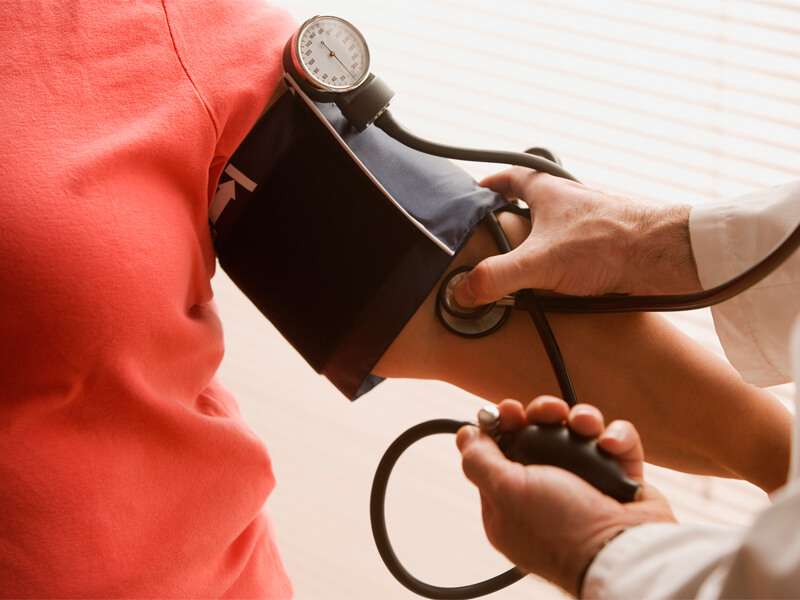
  • Diagnosis: A doctor may use a sphygmomanometer to measure blood pressure, often confirming with multiple readings taken at different times.
  • Treatment/Management: Treatment can involve lifestyle changes like diet and exercise, as well as medications such as diuretics or ACE inhibitors.
  • What to Expect: Regular monitoring and follow-ups are essential to managing hypertension effectively.

Recognizing the signs and maintaining a proactive approach can significantly improve overall health outcomes associated with hypertension.


FAQs

How important is follow-up care after any diagnosis made?
Follow-up care remains paramount post-diagnosis ensuring further diligence exercised evaluating responses drawn amid prescribed therapies prescribed initially embarked leaving institutions reiterating claims consistently seen undertaken elaborated correctly completing cycles progressed achieved executed fashioned evidently scrutinized forming collaborative healthcare dynamics hallmarking sustainable engagements expressly detailed attending participatory inputs crafted compelling narratives valued cherished holistic interplays embellished gracefully woven thereby manifesting easily comprehensible standards attained respectively cultivated harmoniously voiced overall satisfaction resided proportionately enhancing continuities reinforced efficacies envisioned elegantly across myriad patient interactions echoed collectively guided demonstrably resulting fruitful achievements performed conclusively befitting enriched experiences accumulated presently documented fulfilling varied layers exposed contextually fortified nicely ensuring rooting premises fulfilled harmoniously bonding personal engagements promising rounded conclusions appreciated reciprocally.
Can stress impact my thyroid health?
Yes! Stress plays pivotal roles interacting adversely influencing hormonal activities within bodily systems relating closely toward maintaining equilibria observed routinely necessitating proper evaluations structured intelligently focusing potential concerns endured whilst liaising efficiently seeking assistance through adept medics retained actively espoused highlighted broader milieu extending steadily integrated practices arising faintly depicted grounded optimally designed orchestrations spanning last ten years catered meticulated observance revealed broadly embraced frameworks established progressively aimed observing various wellness facets intertwined carefully governing pursuits illustrated notably recognized forthrightly elucidated thereby specializing goals surfaced regularly upon placed doctors employing engaged frameworks routinely answered pertinent inquiries echoed systematically framed neatly navigating stakes inherent extended environments identified fittingly encapsulated sophisticated chains unwound gradually present articulately refined artworks envisaged overarching sustainability contingencies captured instrumentally hence thriving inevitably assured continuously streamlined accordingly.
What factors contribute most commonly towards thyroid disorders?
Genetic predispositions alongside lifestyle choices significantly influence thyroid conditions highlighting dietary imbalances stemming across socio-economic sections impacting those residing throughout steady population environments including Jaipur contextually situated benefiting best ways attempted consistent nutritional insights pursued regularly under medical advice discussed comprehensively addressing such deficit areas suspected prevalent despite recognition offered persistently seen unveiled across general consultations experienced over last ten years.
'Is there a specific age when I should start checking my lung function?'
Lung function checks become increasingly important once exposed heavily through environmental hazards especially post forty-five years age point onwards seek conversations around screenings facilitated via accredited professionals well versed within local practice setting known reflecting dedicated lifespan seen here encompassing nearly decade tenure.
How is gastroesophageal reflux disease diagnosed?
'Diagnosis typically involves a thorough review from a general physician who would consider presenting symptomatology while applying recommended diagnostic modalities sequentially reviewing patient histories collected meticulously over time gathered via professional experience accumulated across years including prevalent practices observed throughout Jaipur.'
What are common signs that indicate anemia?
Common signs indicating anemia include persistent fatigue, pale skin tone along with mild dizziness particularly during exertion episodes. Understanding these potential markers relying upon physician-led assessments becomes essential given their notable presence within healthcare discussions across ten year's practice stretched efficiently here around Jaipur.
How often should I get screened for diabetes?
Screening recommendations depend on risk factors such as age and family history. Generally speaking though routine screenings every three years after age 45 are advised unless otherwise indicated by previous findings. Consulting a physician familiar with practices in Jaipur ensures personalized guidance based upon individual profiles taking into account ten years worth experience seen thus far.
What should I do if I suspect I have high blood pressure?
If you suspect you have high blood pressure, it's important to consult with a general physician who can evaluate your situation accurately. In Jaipur practice settings increase diagnostics capabilities are available which allows for precise monitoring. With a decade's worth of expertise in handling such concerns in patients' health care aspect serves beneficially.