
DR AK JAIN CLINIC
About Me
DR AK JAIN CLINIC
MBBS
General Physician
10 Years Experience
Biography
My Clinic
OPD Hours
| Monday | Morning | 10:00 AM | - | 02:00 PM |
| Evening | 06:00 PM | - | 09:00 PM | |
| Tuesday | Morning | 10:00 AM | - | 02:00 PM |
| Evening | 06:00 PM | - | 09:00 PM | |
| Wednesday | Morning | 10:00 AM | - | 02:00 PM |
| Evening | 06:00 PM | - | 09:00 PM | |
| Thursday | Morning | 10:00 AM | - | 02:00 PM |
| Evening | 06:00 PM | - | 09:00 PM | |
| Friday | Morning | 10:00 AM | - | 02:00 PM |
| Evening | 06:00 PM | - | 09:00 PM | |
| Saturday | Morning | 10:00 AM | - | 02:00 PM |
| Evening | 06:00 PM | - | 09:00 PM | |
| Sunday | Morning | 10:00 AM | - | 02:00 PM |
| Evening | 06:00 PM | - | 09:00 PM |
Treatments
Specialised care and treatments offered
PREVENTIVE HEALTH CHECK-UPS
Regular preventive check-ups aid in discovering potential health concerns early before symptoms appear. This approach supports maintaining optimal wellness across all ages.
ADULT IMMUNIZATION SCHEDULE REVIEW

An adult immunization schedule ensures protection against vaccine-preventable diseases throughout life by keeping vaccinations up-to-date according to age and health status.
- Importance: Immunizations protect from illnesses such as tetanus , pneumococcal disease , shingles , hepatitis B , among others .
- Personalized plan : Based on medical history , occupation , travel plans , underlying conditions , certain vaccines are recommended .
- Timing : Some vaccines require boosters for sustained immunity ; scheduling visits appropriately is essential .
- Safety : Vaccines undergo rigorous testing ; side effects are usually mild and temporary .
Staying current on vaccinations is a proactive measure supporting individual well-being while contributing to broader public health efforts against infectious diseases .
CHOLESTEROL SCREENING
Lipid profile testing evaluates cholesterol levels in the bloodstream, an important factor in assessing cardiovascular risk. Screening helps guide interventions to maintain heart health.
- Screens measure: LDL (bad cholesterol), HDL (good cholesterol), total cholesterol and triglycerides levels through a simple blood test after fasting.
- An imbalance: High LDL or low HDL increases risk for atherosclerosis and heart attack.
- Treatment options: Dietary changes including reduced saturated fat intake; regular exercise; statin therapy if needed based on risk assessment.
- Follow-up testing: Monitors effectiveness of treatment strategies over time to adjust care plans accordingly.
Routine cholesterol screening is essential for early identification of lipid disorders that may silently advance without symptoms until clinical events occur.
SEASONAL INFLUENZA VACCINATION
The flu is a contagious respiratory illness that can cause mild to severe illness. Annual vaccination plays a crucial role in preventing influenza infections.
- The flu virus spreads through droplets when an infected person coughs or sneezes.
- Vaccination timing: Best administered before flu season begins to build immunity in advance.
- Efficacy: While not 100% preventive, vaccines reduce severity and complications significantly.
- Candidates for vaccination include: elderly adults, young children, pregnant women, and individuals with chronic conditions.
Regular immunization contributes greatly to community health by lowering infection rates and reducing the burden on healthcare facilities during peak seasons.
TYPE 2 DIABETES SCREENING

Type 2 diabetes is a chronic condition affecting the way the body processes blood sugar. Early screening can help detect this disease before serious complications develop.
- Risk factors include: Family history, overweight, sedentary lifestyle, age over 45 years.
- Screening methods: Fasting blood glucose tests or HbA1c blood tests assess average glucose levels over time.
- Treatment overview: Lifestyle changes such as balanced diet and regular physical activity; medications like metformin may be necessary.
- Benefits of early detection: Prevents organ damage and cardiovascular problems by prompt intervention and control of blood sugar levels.
A proactive approach through regular screening supports better outcomes and helps maintain quality of life for individuals at risk of diabetes.
HYPERTENSION MANAGEMENT
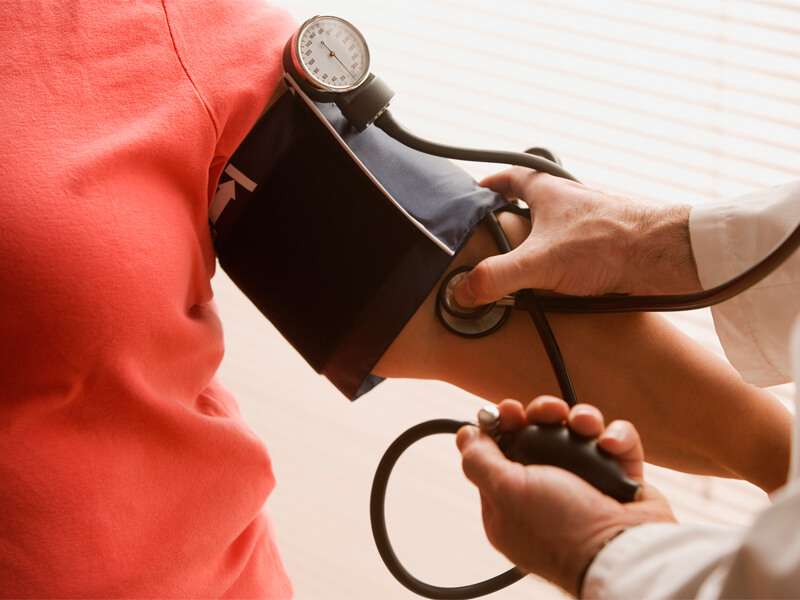
High blood pressure, or hypertension, is a common condition that can lead to serious health issues if left uncontrolled. Understanding and managing this condition is vital for maintaining overall cardiovascular health.
- Symptoms and causes: Often called the 'silent killer' as it may have no obvious symptoms; it can be caused by genetics, obesity, stress, and lifestyle factors.
- Diagnosis: Regular blood pressure monitoring using a sphygmomanometer; multiple readings over time confirm diagnosis.
- Treatment options: Lifestyle modifications such as diet, exercise, reducing salt intake; medications like ACE inhibitors or beta-blockers may be prescribed.
- Management: Consistent monitoring and adherence to treatment help prevent complications like heart disease and stroke.
Early detection and proper management of elevated blood pressure are key steps in preserving long-term health and reducing risks associated with hypertension.