
Dr AK Jain
About Me
Dr AK Jain
MD
General Physician
10 Years Experience
Biography
My Clinic
OPD Hours
| Monday | Morning | 10:00 AM | - | 02:00 PM |
| Evening | 06:00 PM | - | 09:00 PM | |
| Tuesday | Morning | 10:00 AM | - | 02:00 PM |
| Evening | 06:00 PM | - | 09:00 PM | |
| Wednesday | Morning | 10:00 AM | - | 02:00 PM |
| Evening | 06:00 PM | - | 09:00 PM | |
| Thursday | Morning | 10:00 AM | - | 02:00 PM |
| Evening | 06:00 PM | - | 09:00 PM | |
| Friday | Morning | 10:00 AM | - | 02:00 PM |
| Evening | 06:00 PM | - | 09:00 PM | |
| Saturday | Morning | 10:00 AM | - | 02:00 PM |
| Evening | 06:00 PM | - | 09:00 PM | |
| Sunday | Morning | 10:00 AM | - | 02:00 PM |
| Evening | 06:00 PM | - | 09:00 PM |
Treatments
Specialised care and treatments offered
PREVENTIVE VACCINATIONS
The importance of vaccinations cannot be overstated in preventive healthcare. They serve as vital tools in protecting against preventable diseases throughout various stages of life from childhood through adulthood.
- Symptoms/Benefits: Vaccines help avert serious illnesses like measles or influenza that can have severe consequences if contracted.
- Recommendations: Based on age groups recommended vaccines include DTaP for children along with annual flu shots for everyone regardless of age.
- Administration: Vaccination schedules are established during consultations; patients receive advice tailored specifically according to personal medical history & lifestyle factors.
- Follow-Ups: Booster shots are vital depending on vaccine type; maintaining open communication regarding side effects ensures trust between patient & provider making adherence easier overall.
Staying up-to-date on vaccinations dramatically contributes towards community immunity leading towards healthier populations overall considering factors related especially surrounding outbreaks during peak seasons.
CHOLESTEROL SCREENING

Lipid profiles are essential for assessing cholesterol levels within the body. High cholesterol can pose substantial risks for cardiovascular diseases if not identified early on through routine screenings.
- Symptoms/Concerns: High cholesterol typically presents no obvious symptoms but increases the risk of heart disease significantly over time.
- Diagnosis: Blood tests provide accurate measurements of LDL (bad cholesterol), HDL (good cholesterol), and triglycerides; fasting might be required before testing.
- Treatment/Management: Dietary adjustments focusing on heart-healthy foods combined with increased physical activity may suffice; medications called statins could also be considered based on results.
- What to Expect: Regular follow-up checks will help guide long-term management ensuring optimal cardiovascular health through healthy lifestyle choices.
Early screening promotes awareness about personal cholesterol levels enabling proactive approaches toward better heart health in future years.
ASTHMA MANAGEMENT

Asthma is a chronic respiratory condition characterized by difficulty breathing due to inflammation and narrowing of the airways. Effective management is crucial for maintaining an active lifestyle without significant interruptions from asthma symptoms.
- Symptoms/Triggers: Common symptoms include wheezing, coughing, shortness of breath, and chest tightness. Triggers often consist of allergens like pollen or dust mites as well as smoke or cold air.
- Diagnosis: A physician may utilize spirometry tests which assess lung function alongside patient histories to confirm diagnosis.
- Treatment/Management: Treatment plans typically involve inhalers (both rescue inhalers for emergencies and maintenance inhalers) along with education about avoiding triggers and recognizing early signs of an asthma attack.
A comprehensive management plan leads to improved quality of life for individuals living with asthma by minimizing attacks and optimizing control over their symptoms.
ANNUAL PHYSICAL EXAM
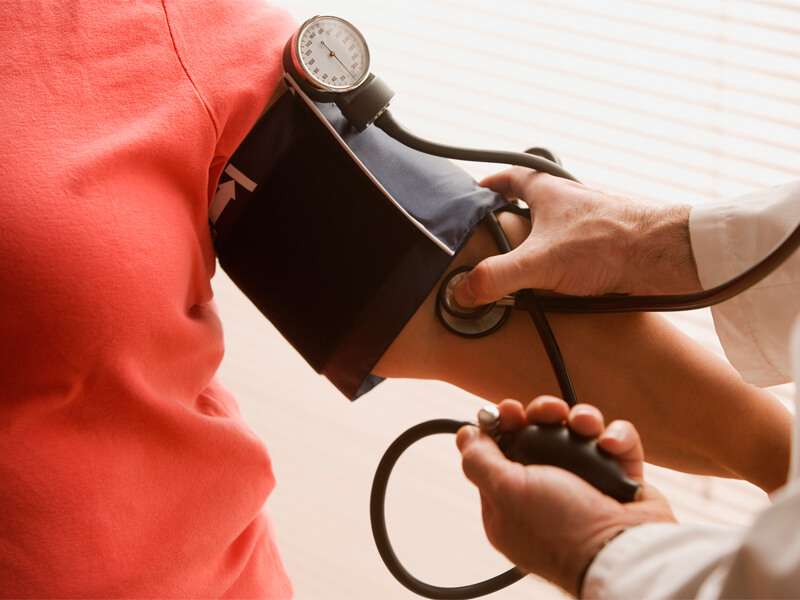
An annual physical exam serves as an important check-up for overall health maintenance. This preventive measure helps detect potential health issues before they become significant problems.
- Symptoms/Concerns: While patients may not show immediate symptoms, regular exams can uncover underlying conditions such as high cholesterol or hypertension.
- Diagnosis: The physician conducts a comprehensive review including medical history, physical examination, and necessary lab tests based on age and risk factors.
- Treatment/Management: Recommendations may include vaccinations, screenings for certain diseases, and lifestyle changes tailored to individual needs based on findings from the exam.
- What to Expect: Follow-ups will be scheduled depending on results; patients should view this exam as a key opportunity to discuss any health concerns openly.
This proactive approach assists in maintaining good health across all age groups through timely interventions.
DIABETES SCREENING

Screening for diabetes is vital in identifying this chronic condition early on. Diabetes can affect various organs and systems in the body if not managed properly.
- Symptoms/Causes: Increased thirst, frequent urination, extreme fatigue, and blurred vision can all indicate diabetes. Risk factors include family history and obesity.
- Diagnosis: Blood tests like the fasting plasma glucose or HbA1c test help diagnose diabetes by measuring glucose levels in the bloodstream.
- Treatment/Management: A comprehensive approach including lifestyle modifications such as diet and exercise along with possible medication helps manage diabetes effectively.
- What to Expect: Regular monitoring of blood sugar levels will be necessary to ensure that management strategies remain effective over time.
Early detection through screening plays a crucial role in preventing complications associated with diabetes.
HYPERTENSION MANAGEMENT

Hypertension, commonly known as high blood pressure, is a condition that can lead to serious health complications if left untreated. It often has no symptoms, which is why it’s essential to regularly monitor blood pressure levels.
- Symptoms/Causes: Many people experience no symptoms; however, some may have headaches or dizziness. Common causes include obesity, poor diet, lack of exercise, and stress.
- Diagnosis: Blood pressure is measured using a sphygmomanometer. A reading of 130/80 mm Hg or higher indicates hypertension.
- Treatment/Management: Lifestyle changes such as eating a balanced diet low in sodium and increasing physical activity are crucial. In some cases, medications like diuretics or ACE inhibitors are prescribed.
- What to Expect: Regular follow-up appointments are important for monitoring blood pressure and adjusting treatment as needed.
Managing hypertension effectively reduces the risk of heart disease and stroke.