
Dr AK Jha
About Me
Dr AK Jha
MBBS
General Physician
10 Years Experience
Biography
My Clinic
OPD Hours
| Monday | Morning | 10:00 AM | - | 02:00 PM |
| Evening | 06:00 PM | - | 09:00 PM | |
| Tuesday | Morning | 10:00 AM | - | 02:00 PM |
| Evening | 06:00 PM | - | 09:00 PM | |
| Wednesday | Morning | 10:00 AM | - | 02:00 PM |
| Evening | 06:00 PM | - | 09:00 PM | |
| Thursday | Morning | 10:00 AM | - | 02:00 PM |
| Evening | 06:00 PM | - | 09:00 PM | |
| Friday | Morning | 10:00 AM | - | 02:00 PM |
| Evening | 06:00 PM | - | 09:00 PM | |
| Saturday | Morning | 10:00 AM | - | 02:00 PM |
| Evening | 06:00 PM | - | 09:00 PM | |
| Sunday | Morning | 10:00 AM | - | 02:00 PM |
| Evening | 06:00 PM | - | 09:00 PM |
Treatments
Specialised care and treatments offered
PREVENTIVE HEALTH SCREENINGS
Preventive health screenings are vital tools in identifying potential health concerns before they progress into serious conditions. Regular check-ups are essential regardless of one’s current state of health
- These screenings help detect issues like high cholesterol levels or abnormal blood pressure even when no symptoms are present
- .
- Common screening tests include blood tests for cholesterol levels along with routine checks for hypertension.
- Age-appropriate screenings encourage awareness about cancer risks such as mammograms or colonoscopies based on guidelines established by professionals.< / l i >< l i >Consistent communication between you and your healthcare provider ensures timely follow-ups based on results derived from these assessments.< / l i >< l i >Engaging actively in preventive measures promotes longevity while fostering better quality of life overall.< / l i >
Taking charge through participation in preventive screenings empowers patients towards healthier outcomes downline!
GASTROESOPHAGEAL REFLUX DISEASE (GERD)

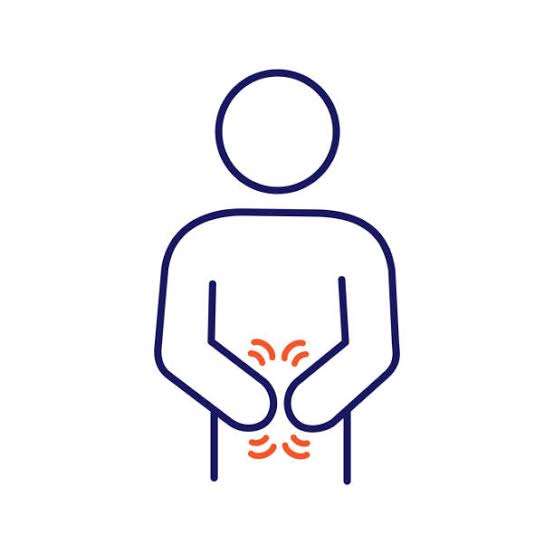
GERD is a chronic digestive disorder characterized by stomach acid flowing back into the esophagus. This acid reflux can cause uncomfortable symptoms that affect daily living if not addressed promptly
OBESITY MANAGEMENT

Obesity is a complex health issue resulting from various factors including genetics, lifestyle choices, and environment. Understanding its impact on overall health is crucial for preventing related diseases.
- This condition increases the risk of developing chronic diseases like diabetes, heart disease, and certain cancers.
- A healthcare provider typically conducts a physical examination alongside calculating body mass index (BMI) for diagnosis purposes.
- The foundation of obesity management includes establishing a balanced diet rich in nutrients coupled with regular physical activity tailored to individual capabilities.
- Counseling about behavior modification plays a critical role in sustaining weight loss over time too.
- In some cases where lifestyle changes have proven insufficient, medications may be considered as part of the treatment plan with ongoing support from healthcare providers being essential thereafter.
A successful approach emphasizes gradual changes leading toward healthier habits over time rather than quick fixes!
SEASONAL ALLERGIES
Seasonal allergies are often triggered by pollen from trees, grasses, or weeds and can lead to significant discomfort. Recognizing the signs early can help in managing symptoms effectively.
- Common symptoms include sneezing, itchy eyes, runny noses, and sometimes coughing or sinus pressure.
- Diagnosis usually involves reviewing patient history alongside allergy testing if necessary.
- Treatment frequently involves avoiding known allergens combined with antihistamines or nasal corticosteroids to relieve symptoms.
- Lifestyle changes such as keeping windows closed during high pollen seasons can provide relief as well.
- Regular consultations help in adjusting treatment strategies based on symptom severity throughout the allergy season.
You don’t have to suffer; proactive management makes seasonal allergies much more manageable!
DIABETES MANAGEMENT

Managing diabetes is integral to maintaining optimal health for individuals diagnosed with this chronic condition. Diabetes affects how your body processes food into glucose, which can lead to various complications if not controlled properly.
- A common symptom includes increased thirst and frequent urination, along with fatigue and blurred vision.
- Diagnosis involves blood tests to measure glucose levels and identify insulin resistance.
- The primary management strategy encompasses dietary adjustments, regular exercise, and blood sugar monitoring.
- Medications or insulin therapy may be necessary depending on individual cases.
- Edit monitoring for signs of complications like neuropathy or cardiovascular issues is also vital for long-term health success.
An effective management plan allows individuals to live healthier lives while minimizing the risks associated with diabetes.
HYPERTENSION
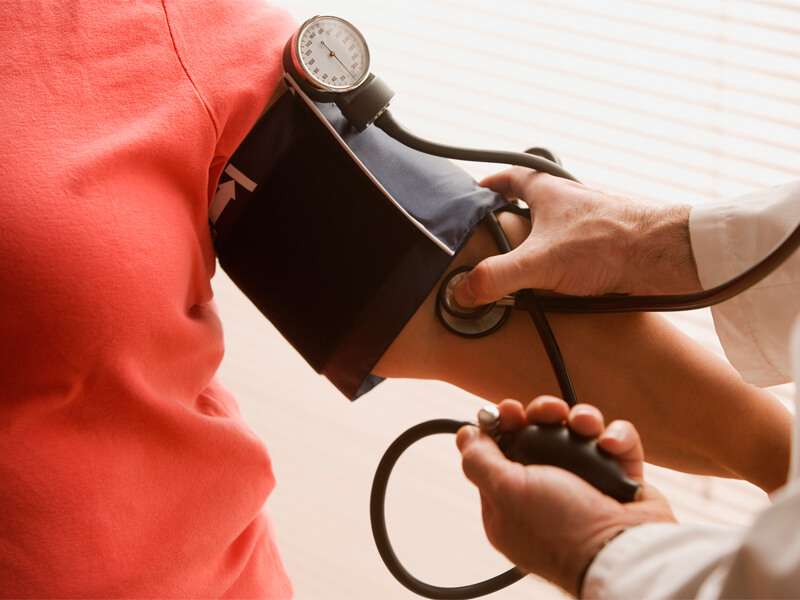
Hypertension, or high blood pressure, is a common condition that can lead to serious health issues if left untreated. It often develops over many years and can go unnoticed due to the lack of obvious symptoms.
- Symptoms may include headaches, shortness of breath, or nosebleeds, but many individuals remain asymptomatic.
- Diagnosis is typically made through routine blood pressure readings during doctor visits.
- Treatment options include lifestyle modifications such as maintaining a healthy diet, regular physical activity, and stress management techniques.
- Medication may be prescribed if lifestyle changes alone do not suffice.
- Regular monitoring and follow-up visits are essential to manage this condition effectively.
Controlling hypertension is crucial for overall health and can prevent complications such as heart disease and stroke.