
Dr Ak Verma
About Me
Dr Ak Verma
MBBS
General Physician
10 Years Experience
Biography
My Clinic
OPD Hours
| Monday | Morning | 10:00 AM | - | 02:00 PM |
| Evening | 06:00 PM | - | 09:00 PM | |
| Tuesday | Morning | 10:00 AM | - | 02:00 PM |
| Evening | 06:00 PM | - | 09:00 PM | |
| Wednesday | Morning | 10:00 AM | - | 02:00 PM |
| Evening | 06:00 PM | - | 09:00 PM | |
| Thursday | Morning | 10:00 AM | - | 02:00 PM |
| Evening | 06:00 PM | - | 09:00 PM | |
| Friday | Morning | 10:00 AM | - | 02:00 PM |
| Evening | 06:00 PM | - | 09:00 PM | |
| Saturday | Morning | 10:00 AM | - | 02:00 PM |
| Evening | 06:00 PM | - | 09:00 PM | |
| Sunday | Morning | 10:00 AM | - | 02:00 PM |
| Evening | 06:00 PM | - | 09:00 PM |
Treatments
Specialised care and treatments offered
RESPIRATORY INFECTION DIAGNOSIS AND CARE
Respiratory infections vary from mild colds to more serious illnesses affecting the lungs. Proper assessment is essential for appropriate treatment selection.
- Common Causes : Viruses like influenza , bacterial agents such as streptococci .
- Symptoms : Cough , fever , sore throat , nasal congestion .
- Diagnostic Tools : Physical examination coupled with chest X-rays or sputum tests if needed .
- Treatment Approach : Symptomatic relief with fluids , rest ; antibiotics only where bacterial infection confirmed .
Proper monitoring prevents complications like pneumonia ensuring swift recovery through personalized care plans .
CHOLESTEROL SCREENING AND LIPID PROFILE ASSESSMENT

Lipid disorders increase cardiovascular risk but often do not show symptoms initially. Understanding your cholesterol profile aids prevention strategies significantly.
- Risk Factors: Poor diet high in saturated fats , sedentary lifestyle , obesity , family history .
- Testing: Fasting lipid profile measures total cholesterol , LDL , HDL , triglycerides .
- Management: Dietary changes , physical activity enhancement ; statins or other drugs when indicated .
- Expectations: Regular follow-ups guide therapy effectiveness thus reducing risks of heart attacks or strokes .
Early identification facilitates effective intervention minimizing future cardiovascular complications .
ANEMIA EVALUATION

Anemia results from a deficiency in red blood cells or hemoglobin impacting oxygen delivery throughout the body. Identifying the cause is key to targeted treatment.
- Common Causes: Nutritional deficiencies (iron, vitamin B12), chronic diseases, or blood loss can contribute to anemia development.
- Clinical Symptoms: Fatigue, pallor, shortness of breath during exertion are typical signs prompting investigation.
- Diagnostic Tests: Complete blood count (CBC), peripheral smear examination help classify anemia type precisely.
THYROID FUNCTION TESTING
The thyroid gland influences metabolism and overall energy balance. Disorders may present subtly but affect many body systems if left unaddressed.
- Signs & Symptoms: Fatigue, weight changes, temperature sensitivity, mood shifts.
- Diagnostic Approach: Blood tests measuring TSH, T3, and T4 hormones determine thyroid status accurately.
- Treatment Strategies: Hypothyroidism usually requires hormone replacement therapy; hyperthyroidism involves medications or other interventions.
- Monitoring: Regular testing ensures medication doses remain appropriate over time.
Caring for thyroid health supports energy levels and overall well-being effectively when managed promptly.
DIABETES MELLITUS SCREENING AND CONTROL

Diabetes is a metabolic disorder characterized by high blood sugar levels due to insulin issues. Early detection plays a vital role in preventing long-term damage.
- Symptoms: Increased thirst, frequent urination, fatigue, and unexplained weight loss.
- Screening Methods: Blood tests including fasting glucose levels and HbA1c provide insight into blood sugar control.
- Treatment Options: Diet management, regular physical activity, oral medications, or insulin therapy depending on severity.
- Complications Prevention: Monitoring for eye problems, kidney function, and nerve health is essential.
Ongoing education about lifestyle adjustments helps patients maintain optimal health living with diabetes.
HYPERTENSION MANAGEMENT
High blood pressure is a common condition that requires ongoing monitoring and care to prevent complications. It often develops without noticeable symptoms but can lead to serious health issues if untreated.
- Causes: Factors include genetics, diet high in salt, lack of exercise, obesity, and stress.
- Symptoms: Often asymptomatic; severe cases may cause headaches or dizziness.
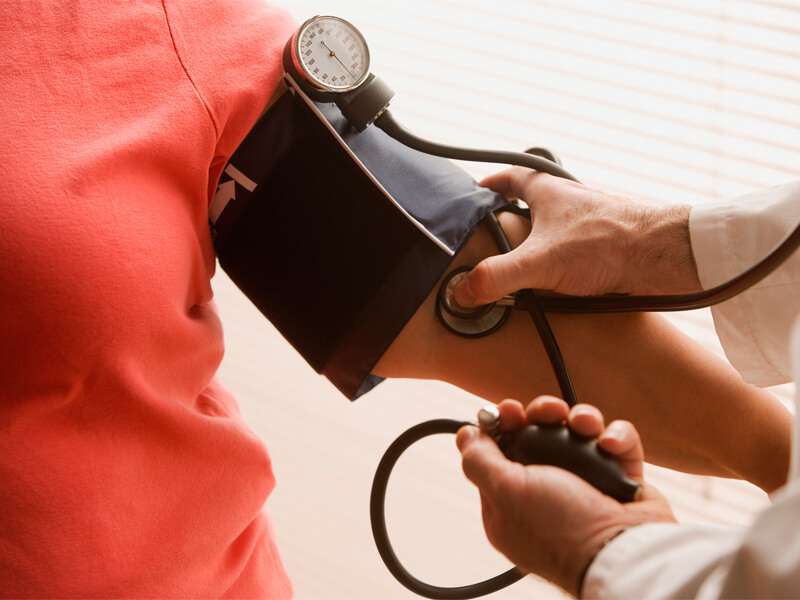
- Diagnosis: Regular blood pressure measurements using a sphygmomanometer; ambulatory monitoring may be utilized for accuracy.
- Treatment: Lifestyle modifications such as diet and exercise; medications like ACE inhibitors or diuretics may be prescribed.
- What to Expect: Regular follow-ups are important to adjust treatment and reduce the risk of heart disease and stroke.
With proper management, individuals can lead healthy lives while controlling their blood pressure effectively.