
Dr Akhil GovilM
About Me
Dr Akhil GovilM
MD
Diabetologist
Biography
My Clinic
OPD Hours
| Monday | Morning | 10:00 AM | - | 02:00 PM |
| Evening | 06:00 PM | - | 09:00 PM | |
| Tuesday | Morning | 10:00 AM | - | 02:00 PM |
| Evening | 06:00 PM | - | 09:00 PM | |
| Wednesday | Morning | 10:00 AM | - | 02:00 PM |
| Evening | 06:00 PM | - | 09:00 PM | |
| Thursday | Morning | 10:00 AM | - | 02:00 PM |
| Evening | 06:00 PM | - | 09:00 PM | |
| Friday | Morning | 10:00 AM | - | 02:00 PM |
| Evening | 06:00 PM | - | 09:00 PM | |
| Saturday | Morning | 10:00 AM | - | 02:00 PM |
| Evening | 06:00 PM | - | 09:00 PM | |
| Sunday | Morning | 10:00 AM | - | 02:00 PM |
| Evening | 06:00 PM | - | 09:00 PM |
Treatments
Specialised care and treatments offered
INSULIN THERAPY
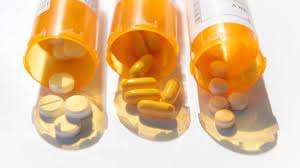
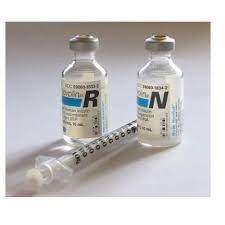
Insulin therapy is critical for managing both Type 1 diabetes and some cases of Type 2 due to its role in regulating blood glucose levels. Various forms of insulin are available—rapid-acting, long-acting, or mixed types depending on individual patient needs and preferences).
- Patients may experience symptoms like excessive thirst or fatigue when insulin administration needs reassessment; thus constant monitoring plays a vital role in dosage adjustments as required。
- Health care providers diagnose optimal insulin requirements using glycemic index evaluations . Regular check-ups ensure planned treatments match evolving health conditions over time。
- The main goal here remains maintaining stable blood sugar ranges between meals while reducing risks associated with extreme highs/lows through personalized treatment plans tailored specifically for them。 Other therapeutic modalities complement this approach effectively where applicable。
Engaging closely with dedicated specialists enhances success rates achieved from consistent efforts related directly tied back towards positive health outcomes achieved subsequently beyond routine measures taken alone 。
ORAL GLUCOSE TOLERANCE TEST (OGTT)
The Oral Glucose Tolerance Test is routinely performed to identify prediabetes or gestational diabetes by evaluating how well your body processes glucose. This test provides critical insights during pregnancy when monitoring maternal health is paramount for both mother and child safety.
- The procedure involves fasting overnight followed by drinking a sugary solution; subsequent blood samples are taken after specific intervals to measure glucose metabolism efficiency.
- Sustained high glucose levels during testing indicate potential issues requiring further evaluation or intervention by healthcare providers。
- Symptoms may include unusual thirst or frequent urination post-glucose intake; hence awareness is essential.
- Treatment options vary based on results but could include lifestyle interventions or medication adjustments if needed.
Early diagnosis through OGTT can provide opportunities for timely lifestyle modifications that help prevent full-blown diabetes.
HEMOGLOBIN A1C TEST
The Hemoglobin A1c test is a vital diagnostic tool used to assess average blood sugar levels over approximately three months. It's instrumental in understanding long-term glycemic control in diabetic patients.
- This test does not require fasting and measures the percentage of hemoglobin coated with sugar molecules—providing actionable insights into overall diabetes management effectiveness.
- A result of 6.5% or higher indicates diabetes; however, individual targets may vary based on clinical conditions established by healthcare providers.
- Doctors typically order this test regularly to monitor diabetes progression or response to treatment interventions effectively.
- A good control illustrated by lower A1c values significantly reduces the risk of complications associated with poorly managed diabetes over time.
The results from this test guide treatment plans aimed at optimizing health outcomes for patients living with diabetes.
CONTINUOUS GLUCOSE MONITORING (CGM)
A continuous glucose monitor is an effective tool for tracking glucose levels throughout the day. CGMs continuously measure glucose levels through a small sensor inserted under the skin and provide real-time feedback on fluctuations in blood sugar levels.
- This method helps identify patterns in blood sugar responses related to diet, activity levels, and medication use.
- A healthcare provider will guide patients on how to use this technology efficiently once it’s prescribed.
- Commonly used treatments involve adjusting dietary habits and medication based on data readings from the CGM system.
- The goal is greater control over blood sugar levels while minimizing hyperglycemia and hypoglycemia risks.
The convenience of CGM empowers patients with actionable insights for better diabetes management daily.
DIABETIC KETOACIDOSIS (DKA)
This serious complication arises primarily in individuals with type 1 diabetes but can occur in those with type 2 under various conditions. DKA occurs when the body starts breaking down fats at an accelerated rate, producing ketones and leading to acid-base imbalance.
- Main symptoms include excessive thirst, frequent urination, nausea, abdominal pain, and confusion.
- A doctor diagnoses DKA through blood tests measuring ketones and acidity levels.
- Treatment typically involves fluid replacement, electrolyte management, and insulin therapy to restore normal metabolic function.
- This condition requires prompt medical attention to prevent life-threatening complications.
- After treatment, patients receive guidance on preventing future occurrences through better blood glucose management strategies.
Diligent management of diabetes is crucial to avoiding DKA and its serious implications.
DIABETES MELLITUS TYPE 2
Type 2 diabetes is a chronic condition that affects the way your body metabolizes sugar (glucose), an essential source of fuel for your body. It occurs when the body becomes resistant to insulin or when the pancreas fails to produce enough insulin.
- Symptoms include increased thirst, frequent urination, fatigue, and blurred vision.
- The diagnosis usually involves blood tests, such as fasting blood glucose level or A1C tests.
- Treatment options focus on lifestyle changes such as diet and exercise, along with medications aimed at controlling blood sugar levels.
- Management may also include regular monitoring of blood glucose levels to prevent complications.
- Patients can expect tailored advice from healthcare professionals to develop a manageable plan.
With appropriate management, individuals can lead healthy lives while successfully managing Type 2 diabetes.