
Dr Akshay Chhallani
About Me
Dr Akshay Chhallani
Internal Medicine
Biography
My Clinic
OPD Hours
| Tuesday | Morning | 10:00 AM | - | 02:00 PM |
| Evening | 06:00 PM | - | 09:00 PM | |
| Wednesday | Morning | 10:00 AM | - | 02:00 PM |
| Evening | 06:00 PM | - | 09:00 PM | |
| Thursday | Morning | 10:00 AM | - | 02:00 PM |
| Evening | 06:00 PM | - | 09:00 PM | |
| Friday | Morning | 10:00 AM | - | 02:00 PM |
| Evening | 06:00 PM | - | 09:00 PM | |
| Saturday | Morning | 10:00 AM | - | 02:00 PM |
| Evening | 06:00 PM | - | 09:00 PM | |
| Sunday | Morning | 10:00 AM | - | 02:00 PM |
| Evening | 06:00 PM | - | 09:00 PM | |
| Thursday | Morning | 10:00 AM | - | 02:00 PM |
| Evening | 06:00 PM | - | 09:00 PM |
Treatments
Specialised care and treatments offered
GASTROESOPHAGEAL REFLUX DISEASE (GERD)
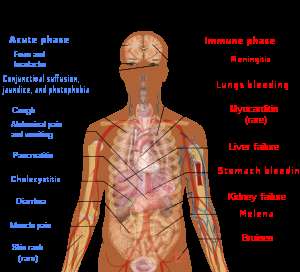
This chronic digestive disorder arises when stomach acid frequently flows back into esophagus causing irritation lining its walls leading discomfort experienced regularly identified termed GERD thereafter referred among general public these days
.- Symptoms:
ANEMIA
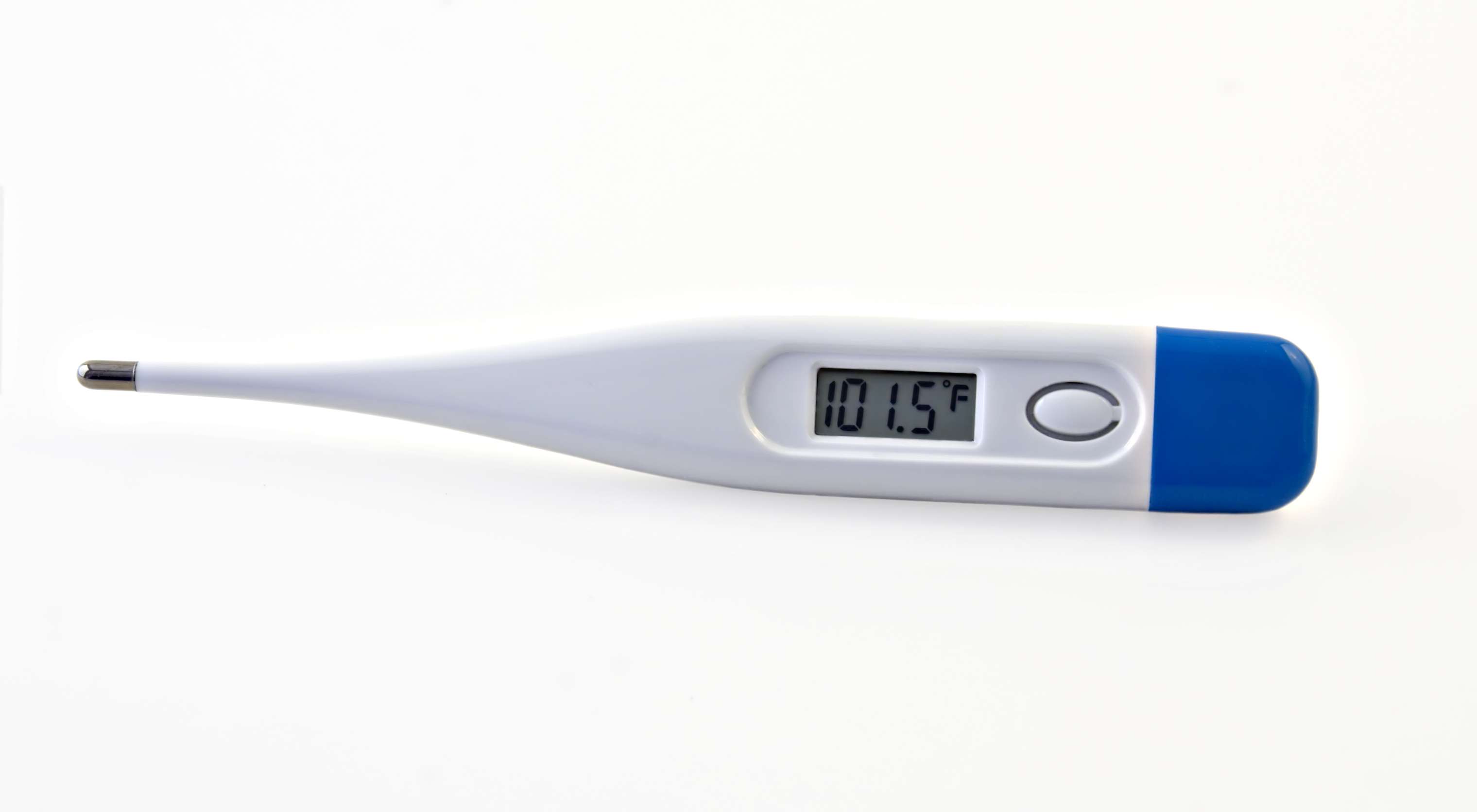
Anemia occurs when your body lacks enough red blood cells or hemoglobin necessary for oxygen transport throughout your system—resulting in fatigue and weakness among other symptoms
.- Symptoms: Typical signs encompass paleness; fatigue after minor exertion; dizziness; cold extremities may occur especially during colder months.
- Causes: Iron deficiency stands out amongst various causes alongside vitamin deficiencies like B12 due insufficient intake affecting absorption processes properly within gut lining over prolonged periods.
- Diagnosis: Diagnosed via simple laboratory blood tests examining complete blood counts meanwhile checking iron studies informing clinicians regarding underlying issues present underlying anemia effectively.
- Treatment/Management Options: Treatment primarily revolves around correcting deficient states via supplementation forms either oral tablets & injectable options available case-by-case basis depending upon severity observed initially during assessments done clinically along dietary modifications implemented where possible equally prioritized consistently throughout course periods meant improving hemoglobin repletion back normalized range values relatively quicker than anticipated originally planned out expectations prior!
Anemia demands prompt evaluation since untreated cases can lead further problems needing additional interventions desired avoiding complications arising sooner later impacting quality life edge adversely affected!
(note:HTML formatting must be maintained here))HYPERLIPIDEMIA
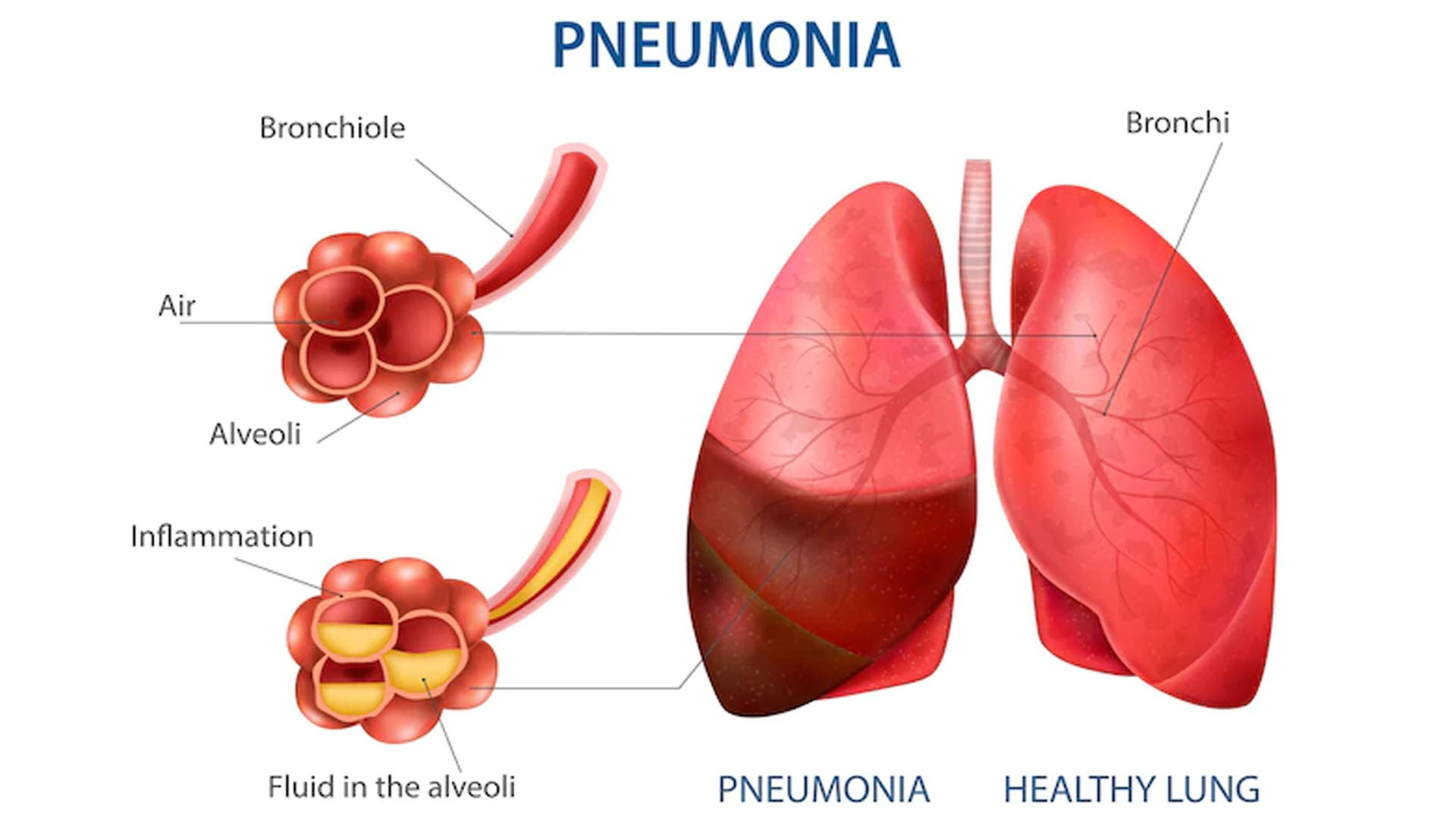
This condition refers to elevated levels of lipids in the bloodstream—in particular cholesterol and triglycerides—which significantly increases the risk for heart diseases if left untreated
.- Symptoms: Hyperlipidemia often presents no clear symptoms; thus it remains undetected until routine lipoprotein testing reveals abnormal levels.
- Causes: Key contributors include genetic factors, poor dietary habits high in saturated fats and sugars as well as sedentary lifestyle choices.
- Diagnosis: Blood tests performed after fasting determine lipid profiles revealing both LDL (bad) cholesterol levels as well as HDL (good) cholesterol levels.
- Treatment/Management Options: In addition to recommending dietary changes focused on healthy fats & fibers medicines such statins may prescribe if necessary depending upon individual risk assessment profile.
- Expectations: Regular follow-up appointments help track lipid levels ensuring effective management reduces potential cardiovascular risk significantly over time.
Early detection through screening combined with consistent lifestyle modifications generally works best towards better heart health outcomes overall!
CHRONIC OBSTRUCTIVE PULMONARY DISEASE (COPD)
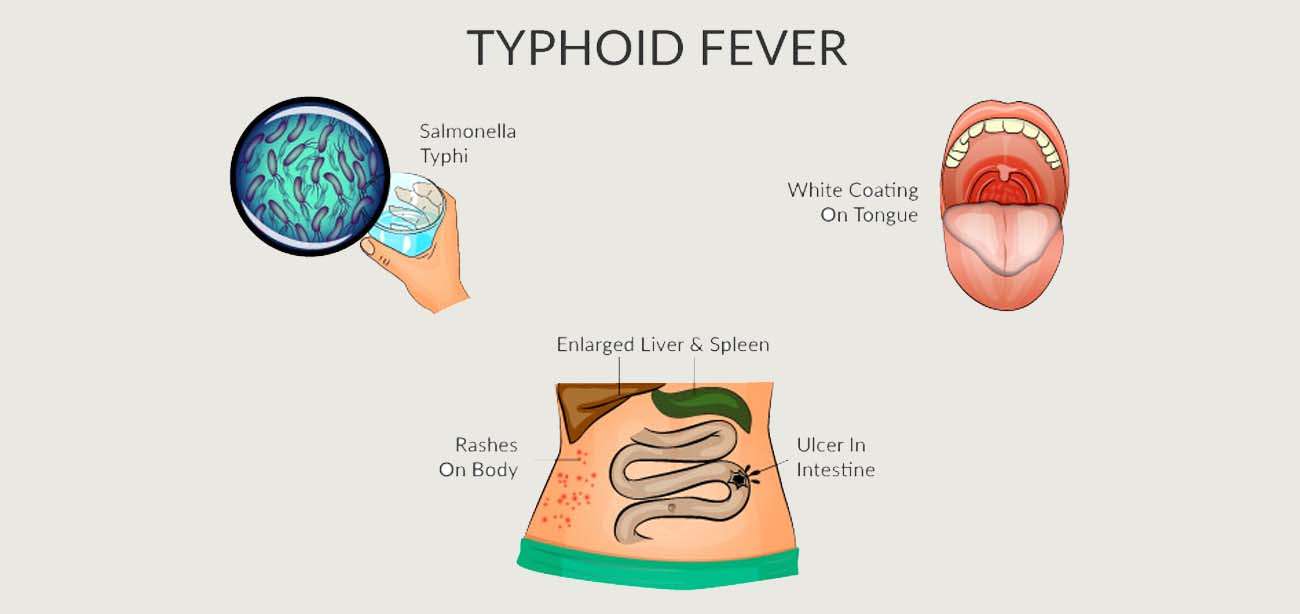
COPD is a progressive lung disease characterized by increasing breathlessness. Emphysema and chronic bronchitis are the two main components that define COPD.
- Symptoms: Main symptoms include chronic cough, mucus production, wheezing, and shortness of breath during everyday activities.
- Causes: Leading causes include long-term exposure to irritating gases or particulate matter in the air; smoking is the primary risk factor.
- Diagnosis:The diagnosis typically involves pulmonary function tests (spirometry) which assess lung capacity and airflow obstruction.
- Treatment/Management Options:Simplified treatment plans may include bronchodilators for symptom relief, corticosteroids to reduce inflammation, along with pulmonary rehabilitation programs promoting physical activity.
If diagnosed early and managed appropriately through medication and lifestyle adjustments, many patients can lead active lives despite living with COPD.
DIABETES MELLITUS
Diabetes Mellitus is a metabolic disorder marked by elevated blood sugar levels over an extended period. This condition can lead to serious complications if not adequately monitored and treated.
- Symptoms: Common signs include increased thirst, frequent urination, extreme fatigue, and blurred vision.
- Causes: The two main types are Type 1 diabetes (autoimmune destruction of insulin-producing cells) and Type 2 diabetes (linked to insulin resistance).
- Diagnosis: Blood tests measuring glucose levels confirm diabetes; HbA1c tests provide a longer-term view of blood sugar control.
- Treatment/Management Options: Management involves lifestyle changes such as diet and exercise plus possible medication including insulin therapy for Type 1 or oral hypoglycemics for Type 2 diabetes.
- Expectations: Ongoing monitoring is essential for managing diabetes effectively and preventing complications such as neuropathy or cardiovascular disease.
A comprehensive approach can help manage diabetes effectively while improving quality of life.
HYPERTENSION
Hypertension, commonly known as high blood pressure, is a condition that affects millions worldwide. It occurs when the force of blood against the artery walls is too high, which can lead to serious health complications if not managed effectively.
- Symptoms: Often termed a 'silent killer,' hypertension may not show noticeable symptoms until severe. Some individuals may experience headaches, shortness of breath, or nosebleeds.
- Causes: Factors include genetics, obesity, lack of physical activity, excessive salt intake, and chronic stress.
- Diagnosis: Blood pressure is measured using a sphygmomanometer. A reading of 130/80 mmHg or higher typically indicates hypertension.
- Treatment/Management Options: Lifestyle modifications such as a heart-healthy diet, regular exercise, and medications like diuretics or ACE inhibitors are used to manage the condition.
- Expectations: With proper management, individuals can control their blood pressure and reduce risks associated with heart disease and stroke.
Hypertension requires proactive management to maintain cardiovascular health and prevent complications down the line.