
Dr Akshay K Mehta
About Me
Dr Akshay K Mehta
Cardiologist
Biography
My Clinic
OPD Hours
| Tuesday | Morning | 10:00 AM | - | 02:00 PM |
| Evening | 06:00 PM | - | 09:00 PM | |
| Wednesday | Morning | 10:00 AM | - | 02:00 PM |
| Evening | 06:00 PM | - | 09:00 PM | |
| Thursday | Morning | 10:00 AM | - | 02:00 PM |
| Evening | 06:00 PM | - | 09:00 PM | |
| Friday | Morning | 10:00 AM | - | 02:00 PM |
| Evening | 06:00 PM | - | 09:00 PM | |
| Saturday | Morning | 10:00 AM | - | 02:00 PM |
| Evening | 06:00 PM | - | 09:00 PM | |
| Sunday | Morning | 10:00 AM | - | 02:00 PM |
| Evening | 06:00 PM | - | 09:00 PM | |
| Thursday | Morning | 10:00 AM | - | 02:00 PM |
| Evening | 06:00 PM | - | 09:00 PM |
Treatments
Specialised care and treatments offered
HYPERTENSION (HIGH BLOOD PRESSURE)

Hypertension is a common condition where blood pressure rises above normal levels. Left untreated, it poses serious risks including heart attack or stroke. Awareness about hypertension helps individuals take proactive steps toward their cardiovascular health
- Many people exhibit no noticeable symptoms but classic indicators might include headaches or nosebleeds occasionally occurring at advanced stages.
- Regular monitoring by healthcare professionals using sphygmomanometers provides critical insights into one's cardiovascular status through comprehensive readings over time.
- Treatment typically entails prescribed medications targeting specific mechanisms within vascular systems combined with lifestyle modifications focusing on dietary choices emphasizing reduced sodium intake along with increased physical activity.
- Keeping close tabs via routine checkups allows patients lively interactions around risk factor evaluation contributing positively towards complete healthcare approaches!
Maintaining awareness surrounding hypertension fosters informed decision-making ultimately promoting life longevity via improved quality altogether!
VALVULAR HEART DISEASE
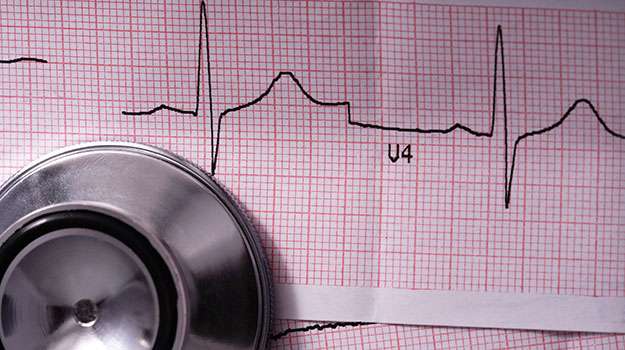
Valvular heart disease affects one or more of the four valves in your heart that regulate blood flow. Understanding this condition aids in recognizing its effects on overall cardiac function.
- Patients may experience signs such as fatigue, swelling in feet/ankles, irregular heartbeat patterns (arrhythmias), or chest pain depending on which valve is affected.
- The diagnostic process frequently includes echocardiograms enabling visualization of valve movement along with clinical assessments from medical history reviews.
- Treatment options vary depending on severity but may involve monitoring mild cases while more significant dysfunction could necessitate surgical repair or replacement of affected valves.
- Lifestyle adaptations such as maintaining healthy weights aid overall results in valvular conditions.
Ongoing attention toward managing this disease can greatly enhance daily living experiences for affected individuals.
CORONARY ARTERY DISEASE
Coronary artery disease (CAD) is characterized by narrowed arteries due to plaque build-up that reduces blood flow to the heart. It's vital for patients to understand this chronic condition's implications on long-term health.
- Main symptoms often include chest pain (angina), fatigue during exertion, as well as potential shortness of breath or arrhythmias.
- A thorough diagnosis usually involves stress testing alongside imaging studies like coronary angiography to visualize blockages directly.
- Treatment can range from lifestyle changes such as diet modifications to medications like statins; severe cases might require procedures such as stenting or bypass surgery.
A comprehensive approach emphasizing preventive care is key; managing risk factors such as high cholesterol can lead to better health outcomes overall in CAD patients.
CONGESTIVE HEART FAILURE
Congestive heart failure (CHF) occurs when the heart cannot pump blood efficiently, leading to fluid buildup in the lungs and body. This condition requires ongoing management to improve quality of life.
- Signs include shortness of breath during activity or lying down, swelling in legs or abdomen, and persistent cough with pink frothy sputum.
- Diagnosis involves a physical exam, chest X-ray, echocardiogram, and various blood tests assessing kidney function and electrolytes.
- Treatment strategies may incorporate diuretics to manage fluid retention, ACE inhibitors for blood pressure control, and lifestyle advice regarding diet and exercise.
- Palliative care strategies may also be introduced to address symptoms as the condition progresses.
Management plans are tailored individually; patient education about recognizing worsening symptoms can significantly impact outcomes in CHF cases.
ATRIAL FIBRILLATION
Atrial fibrillation (AFib) is an irregular heartbeat that can increase the risk of stroke and other heart-related complications. It occurs when electrical signals in the heart become disorganized.
- Common symptoms include palpitations, dizziness, fatigue, and chest discomfort.
- Diagnosis typically involves an ECG to assess heart rhythm alongside monitoring devices for accurate readings.
- Treatment may encompass anticoagulants to reduce stroke risk and procedures like cardioversion or ablation for rhythm control.
- Long-term management can include lifestyle modifications and regular follow-ups to monitor heart health.
- An understanding of triggers is essential for patients; avoiding caffeine and stress is often recommended.
With proper management, many people with AFib lead normal lives while effectively minimizing risks associated with the condition.
HEART ATTACK (MYOCARDIAL INFARCTION)
A heart attack occurs when blood flow to a part of the heart is blocked, often by a blood clot. This can lead to damage or death of the heart muscle. Recognizing the signs early is crucial for effective intervention.
- The primary symptoms include chest pain, shortness of breath, and discomfort in the arms, back, neck, or jaw.
- Diagnosis can involve an ECG, blood tests, and imaging techniques like angiography.
- Treatment options may include medication such as antiplatelet agents and thrombolytics, along with surgical interventions like angioplasty or coronary artery bypass grafting.
- Post-treatment management often includes lifestyle changes and cardiac rehabilitation to support heart health.
- Patients should monitor their symptoms closely and seek immediate care if they experience new or worsening signs.
Early detection and prompt treatment significantly improve outcomes for individuals experiencing a heart attack.