
Dr Akshay Mehta
About Me
Dr Akshay Mehta
Cardiologist
Biography
My Clinic
OPD Hours
| Tuesday | Morning | 10:00 AM | - | 02:00 PM |
| Evening | 06:00 PM | - | 09:00 PM | |
| Wednesday | Morning | 10:00 AM | - | 02:00 PM |
| Evening | 06:00 PM | - | 09:00 PM | |
| Thursday | Morning | 10:00 AM | - | 02:00 PM |
| Evening | 06:00 PM | - | 09:00 PM | |
| Friday | Morning | 10:00 AM | - | 02:00 PM |
| Evening | 06:00 PM | - | 09:00 PM | |
| Saturday | Morning | 10:00 AM | - | 02:00 PM |
| Evening | 06:00 PM | - | 09:00 PM | |
| Sunday | Morning | 10:00 AM | - | 02:00 PM |
| Evening | 06:00 PM | - | 09:00 PM | |
| Thursday | Morning | 10:00 AM | - | 02:00 PM |
| Evening | 06:00 PM | - | 09:00 PM |
Treatments
Specialised care and treatments offered
HYPERTENSIVE CRISIS

A hypertensive crisis involves severely elevated blood pressure readings that can cause significant health risks. Rapidly addressing this condition is critical for preventing organ damage associated with uncontrolled hypertension.
- Sufferers might experience headache severe enough it disrupts daily activities alongside potential blurred vision/stroke symptoms indicating urgency needing prompt action!
- Diagnosis frequently entails measuring blood pressure multiple times under observation establishing baseline figures against guidelines set forth by organizations verifying whether emergencies arise.
- Treatment usually consists of intravenous medications aimed at quickly lowering pressure monitored closely within hospital settings ensuring stability before transferring patients back into outpatient care.
- Ongoing education regarding lifestyle alterations would be integral alongside dedicated medical follow-ups:
CARDIOGENIC SHOCK
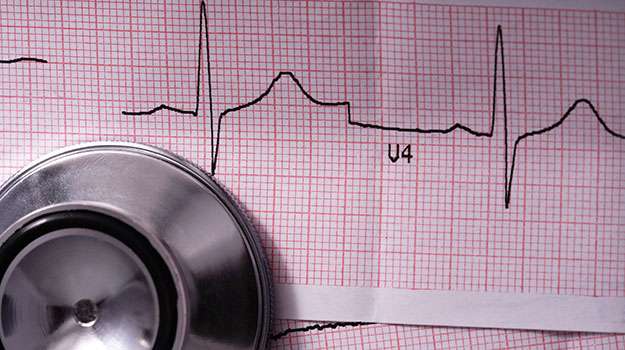
Cardiogenic shock represents a critical condition where the heart fails to supply adequate blood flow resulting in organ dysfunction. Recognizing this emergency promptly is crucial for survival rates among affected individuals.
- Main symptoms include severe hypotension (low blood pressure), confusion due to inadequate perfusion of organs, rapid heartbeat, and cold clammy skin indicating shock onset.
- An assessment usually involves clinical examination alongside imaging studies like echocardiograms along with lab results focusing on cardiac enzymes.
- Common treatments encompass medication support (like vasopressors), mechanical support devices such as intra-aortic balloon pumps (IABP), requiring intensive care management.
- Ongoing assessment remains vital post-recovery especially considering risk factors linked with future events.
Prompt recognition leads towards effective teamwork optimizing patient outcomes provided they respond positively through managed interventions.
CORONARY ARTERY DISEASE
Coronary artery disease (CAD) arises when plaque builds up in coronary arteries, narrowing them and reducing blood flow to the heart. Over time, this condition can lead to serious complications like angina or heart attack if left unaddressed.
- The main symptoms include chest pain (angina), shortness of breath during exertion, or fatigue with activity.
- Your doctor may utilize stress tests or angiography for accurate diagnosis of CAD severity.
- Treatment options vary from lifestyle changes—such as diet and exercise—to medications like statins or surgical interventions such as stenting or bypass surgery when necessary.
- Regular follow-up is essential to assess treatment effectiveness and make adjustments to prevent worsening of the disease over time.
An informed approach towards CAD helps patients maintain better cardiovascular health throughout their lives.
ATRIAL FIBRILLATION
Atrial fibrillation (AFib) is an irregular heartbeat that can lead to various complications if not managed properly. Characterized by rapid electrical signals in the upper chambers of the heart, AFib increases the risk of stroke and other cardiovascular issues.
- Symptoms may include palpitations, dizziness, fatigue, or an increased risk of stroke due to blood clots forming in the atria.
- A physician typically confirms AFib through an ECG or Holter monitor study.
- Treatment often includes medications for rate control or anticoagulation therapy; some patients may require cardioversion or ablation procedures.
- This condition necessitates regular monitoring to adjust treatment plans accordingly based on individual responses
Timely diagnosis and treatment are crucial in managing AFib effectively for overall health improvement.
CONGESTIVE HEART FAILURE
Congestive heart failure (CHF) is a chronic condition where the heart is unable to pump effectively, leading to fluid build-up in the lungs and other tissues. It is important for patients to recognize its symptoms early for better management.
- Some common symptoms include fatigue, swelling in legs or abdomen, and persistent coughing or wheezing.
- The diagnosis can involve physical exams, blood tests, and imaging studies such as echocardiograms.
- Treatment options may range from lifestyle modifications and medications to implanted devices or heart transplants in severe cases.
- Patients can expect regular follow-ups to manage their condition effectively over time.
Early intervention can significantly improve quality of life for those living with CHF.
ACUTE MYOCARDIAL INFARCTION
Acute myocardial infarction (AMI), commonly known as a heart attack, occurs when blood flow to a part of the heart is blocked. This blockage can lead to damage or death of heart muscle tissue and is a medical emergency that requires immediate attention.
- Symptoms may include chest pain, shortness of breath, nausea, and sweating.
- A healthcare provider will often conduct an EKG and blood tests to confirm the diagnosis.
- Treatment typically involves medications, lifestyle changes, and possible procedures like angioplasty or bypass surgery.
- Expect close monitoring in a hospital setting initially, followed by rehabilitation and ongoing management.
Understanding the signs and risks associated with AMI can be vital for timely treatment and recovery.