
Dr Ali Asgar Behranwala
About Me
Dr Ali Asgar Behranwala
Anesthesiologist
Biography
My Clinic
OPD Hours
| Tuesday | Morning | 10:00 AM | - | 02:00 PM |
| Evening | 06:00 PM | - | 09:00 PM | |
| Wednesday | Morning | 10:00 AM | - | 02:00 PM |
| Evening | 06:00 PM | - | 09:00 PM | |
| Thursday | Morning | 10:00 AM | - | 02:00 PM |
| Evening | 06:00 PM | - | 09:00 PM | |
| Friday | Morning | 10:00 AM | - | 02:00 PM |
| Evening | 06:00 PM | - | 09:00 PM | |
| Saturday | Morning | 10:00 AM | - | 02:00 PM |
| Evening | 06:00 PM | - | 09:00 PM | |
| Sunday | Morning | 10:00 AM | - | 02:00 PM |
| Evening | 06:00 PM | - | 09:00 PM | |
| Thursday | Morning | 10:00 AM | - | 02:00 PM |
| Evening | 06:00 PM | - | 09:00 PM |
Treatments
Specialised care and treatments offered
PREOPERATIVE ASSESSMENT
A comprehensive preoperative assessment plays a vital role in preparing patients physically and psychologically before any surgical procedure. This process ensures safety measures are adhered to while addressing any concerns upfront.
- This assessment typically investigates current health conditions affecting anesthesia risk factors like heart disease or diabetes potentially impacting outcomes during surgery treatment plans .
- Diagnostic tests such as blood work are standard practices helping cover all bases regarding suitability for anesthesia being administered again enhancing patient security getting ready beforehand& .
- Treatment protocols involve educating patients about what will happen prior getting into operating rooms easing anxieties paving way forward smoother experiences.
- Patients can expect clear communication allowing opportunities settling final questions addressed thoroughly evolving partnership established between providers involved&
Ensuring adequate preparation leads fosters trust within interactions ultimately contributing considerably successful operation outcomes encountered during engagements throughout journeys.&
&POSTOPERATIVE PAIN MANAGEMENT

Pain following surgery is a common concern among patients. Effective management strategies are essential for facilitating healing while ensuring comfort during recovery periods.
- Symptoms often include discomfort at the surgical site along with potential swelling or bruising depending on the procedure performed.
- A thorough assessment post-surgery helps determine the most effective pain management plan required based on individual responses .
< strong >Patients are typically monitored closelyduring recovery periods ensuring adjustments made promptly should challenges arise.
ANXIETY MANAGEMENT TECHNIQUES

Anxiety related to medical procedures or surgeries can be daunting for many individuals. Various strategies exist to help manage these feelings effectively before undergoing treatment.
- Common symptoms include nervousness, irritability, racing thoughts, or physical manifestations like sweating and nausea before appointments or procedures.
- A comprehensive evaluation by healthcare providers will assist in identifying triggers associated with anxiety experiences during medical settings.
- Treatment options often encompass cognitive-behavioral therapy (CBT), relaxation techniques such as deep breathing exercises, mindfulness practices, and in some instances, medication may be suggested if appropriate.
- The aim is to equip patients with tools that promote relaxation and decrease anxiety surrounding medical encounters considerably.
Anxiety management plays a pivotal role in preparing individuals psychologically for any medical intervention they face with greater confidence and ease.
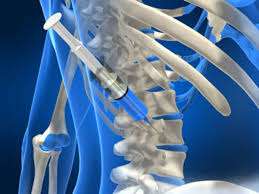
REGIONAL ANESTHESIA

Regional anesthesia is a technique that numbs a specific part of the body for surgical procedures. This method serves as an alternative to general anesthesia in many situations.
- The primary goal is to provide effective pain relief while minimizing recovery time after surgery.
- Diagnosis involves clinical evaluation and patient history to identify suitable candidates for this approach.
- Treatment strategies may involve epidurals or nerve blocks tailored to particular surgeries or medical conditions ensuring targeted pain control without affecting overall consciousness.
- Patients can expect reduced postoperative pain and improved mobility following surgeries that utilize regional techniques.
This method enhances the surgical experience by providing focused relief while maintaining patient comfort throughout their treatment journey.
SEDATION FOR DENTAL PROCEDURES

Sedation during dental procedures can make visits less stressful for patients with anxiety or fear related to treatment. Understanding the different types of sedation available is crucial.
- Common symptoms of dental anxiety include rapid heartbeat, sweating, or panic when thinking about visiting the dentist.
- A thorough assessment by your dental provider will help determine appropriate sedation levels based on individual needs and health status.
- Management includes options like nitrous oxide (laughing gas), oral sedatives, or IV sedation to induce relaxation while ensuring safety during treatment.
- Patients typically report feeling calm during procedures and may have little to no memory of the visit afterward.
This approach not only facilitates dental care but also enhances comfort for patients with specific concerns.
CHRONIC PAIN MANAGEMENT

Chronic pain can significantly impact daily activities and quality of life. It often arises from various conditions, making it essential to understand its management options.
- Symptoms may include persistent discomfort that lasts more than three months, fatigue, and mood changes.
- Diagnosis typically involves a thorough medical history, physical examination, and possibly imaging studies.
- Treatment options include medication management, physical therapy, and lifestyle changes such as regular exercise and stress reduction techniques.
- Patients can expect personalized care plans tailored to their specific pain conditions and ongoing support throughout their journey towards relief.
Effective chronic pain management is vital for reclaiming control over one’s life and improving overall well-being.