
Dr Alkas
About Me
Dr Alkas
Cardiologist
Biography
My Clinic
OPD Hours
| Tuesday | Morning | 10:00 AM | - | 02:00 PM |
| Evening | 06:00 PM | - | 09:00 PM | |
| Wednesday | Morning | 10:00 AM | - | 02:00 PM |
| Evening | 06:00 PM | - | 09:00 PM | |
| Thursday | Morning | 10:00 AM | - | 02:00 PM |
| Evening | 06:00 PM | - | 09:00 PM | |
| Friday | Morning | 10:00 AM | - | 02:00 PM |
| Evening | 06:00 PM | - | 09:00 PM | |
| Saturday | Morning | 10:00 AM | - | 02:00 PM |
| Evening | 06:00 PM | - | 09:00 PM | |
| Sunday | Morning | 10:00 AM | - | 02:00 PM |
| Evening | 06:00 PM | - | 09:00 PM | |
| Thursday | Morning | 10:00 AM | - | 02:00 PM |
| Evening | 06:00 PM | - | 09:00 PM |
Treatments
Specialised care and treatments offered
CARDIAC REHABILITATION PROGRAMS

Cardiac rehabilitation programs are structured approaches designed for individuals recovering from cardiac events like surgery or myocardial infarctions (heart attacks). Such programs offer both physical recovery and emotional support throughout the healing process
.- A typical program includes supervised exercise therapy tailored specifically according patient capacity accompanied by educational sessions focused around nutrition habits improving cardiac fitness .
- Psycho-social resources offered promote mental well-being which aids faster recovery encouraging active participation from loved ones enhancing rehabilitation outcomes while addressing fears related early post-heart event living .
- Regular assessments track progress allowing timely adjustments ensuring maximum benefit received accordingly .
The holistic design fosters lifelong healthy habits resulting not only improved function but reduced re-admission rates thereby enhancing quality life post-event indefinitely!
LIFESTYLE MODIFICATION COUNSELING
Counseling on lifestyle modifications is an integral part of cardiac care aimed at promoting healthier living. Proper guidance can significantly reduce risks associated with cardiovascular diseases through behavioral changes.
- Main components typically include advice on nutrition—emphasizing low sodium intake—and maximizing daily physical activity levels suitable for individual capabilities.
- Counselors assist patients by setting realistic goals that foster gradual improvements rather than sudden drastic changes which may be overwhelming.
- This might also involve education about stress management techniques that positively influence overall well-being and heart health stability over time.
Taking these steps leads not only to immediate health benefits but also contributes positively towards long-term cardiovascular wellness through sustainable habits cultivated during counseling sessions!
ELECTROCARDIOGRAM (ECG) TESTING
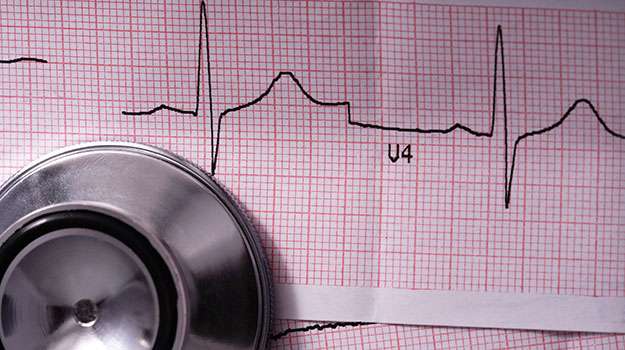
An electrocardiogram (ECG) is a simple yet effective test used to assess the electrical activity of the heart. It plays a critical role in diagnosing various heart conditions early on before they escalate into severe problems.
- This test can help identify irregular heart rhythms (arrhythmias), previous heart attacks, or signs of inadequate blood flow due to blockages.
- An ECG involves placing electrodes on the chest that record electrical signals during heartbeat cycles; it is fast and non-invasive.
- The results can indicate whether further testing or treatment might be necessary based on identified abnormalities in the readings.
An ECG’s ability to provide real-time insights emphasizes its value in preventive cardiology practices for monitoring ongoing heart health.
HEART DISEASE RISK ASSESSMENT
Assessing the risk of heart disease is crucial for effective prevention strategies. Understanding individual risk factors can lead to tailored health recommendations that reduce potential complications.
- Main risk factors include age, family history, tobacco use, unhealthy diet, and sedentary lifestyle.
- An initial evaluation includes reviewing medical history along with tests like EKGs or echocardiograms where necessary.
- Management strategies focus on lifestyle modifications such as maintaining a healthy weight and controlling blood glucose levels.
- Your healthcare provider will guide you through personalized preventative measures based on your assessment outcomes.
Taking charge of your heart health through regular assessments empowers you toward better long-term outcomes.
CHOLESTEROL SCREENING
Monitoring cholesterol levels is vital for preventing cardiovascular diseases. High cholesterol often presents no symptoms but can lead to serious health issues if left unchecked.
- The main factors contributing to high cholesterol include poor diet, lack of physical activity, and genetics.
- A simple blood test helps in diagnosing lipid levels and assessing risk for heart disease.
- If results indicate high cholesterol, treatment may include dietary adjustments, increased physical activity, and potentially medication like statins.
- Regular screenings are recommended every few years for adults over 20 years old or more frequently based on individual risk factors.
A proactive approach towards managing cholesterol is essential in protecting heart health.
HYPERTENSION MANAGEMENT
Hypertension, or high blood pressure, is often referred to as a silent killer due to its lack of symptoms. Effective management is crucial to prevent severe complications such as heart attacks and strokes.
- Symptoms may include headaches, shortness of breath, and nosebleeds, although many individuals experience no noticeable signs.
- Diagnosis typically involves measuring your blood pressure over multiple visits to assess whether it remains elevated.
- Treatment options vary and can include lifestyle changes such as diet and exercise, alongside medications that help control blood pressure levels.
- Regular monitoring is important; patients should expect follow-up appointments to adjust treatment as necessary.
- Adhering to prescribed interventions significantly reduces risks associated with hypertension.
Managing hypertension effectively not only improves overall health but also enhances the quality of life.