
Dr Alok Gupta, Ca
About Me
Dr Alok Gupta, Ca
MBBS
Oncologist
10 Years Experience
Biography
My Clinic
OPD Hours
| Monday | Morning | 10:00 AM | - | 02:00 PM |
| Evening | 06:00 PM | - | 09:00 PM | |
| Tuesday | Morning | 10:00 AM | - | 02:00 PM |
| Evening | 06:00 PM | - | 09:00 PM | |
| Wednesday | Morning | 10:00 AM | - | 02:00 PM |
| Evening | 06:00 PM | - | 09:00 PM | |
| Thursday | Morning | 10:00 AM | - | 02:00 PM |
| Evening | 06:00 PM | - | 09:00 PM | |
| Friday | Morning | 10:00 AM | - | 02:00 PM |
| Evening | 06:00 PM | - | 09:00 PM | |
| Saturday | Morning | 10:00 AM | - | 02:00 PM |
| Evening | 06:00 PM | - | 09:00 PM | |
| Sunday | Morning | 10:00 AM | - | 02:00 PM |
| Evening | 06:00 PM | - | 09:00 PM |
Treatments
Specialised care and treatments offered
PROSTATE CANCER
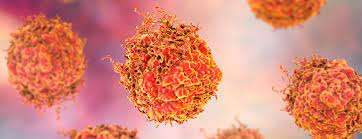
A common malignancy among older men originating from prostate gland cells. Routine screening facilitates earlier detection before symptoms manifest significantly impacting treatment success rates positively.
NON-HODGKIN LYMPHOMA
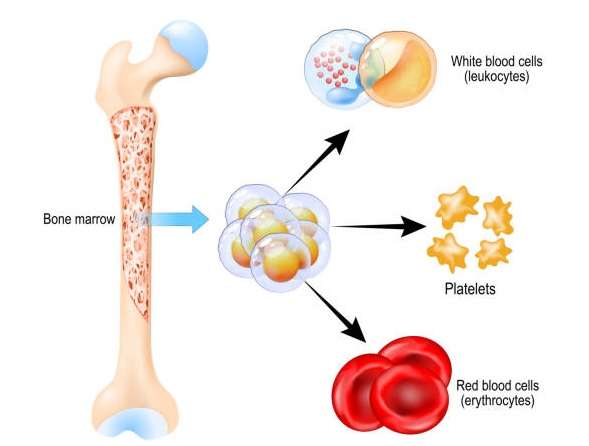
This group of blood cancers arises from lymphocytes with varying clinical presentations depending on subtype. Treatment responses have improved due to advances in targeted therapies.
- Pertinent Symptoms:Painless swollen lymph nodes, fever, night sweats, unintended weight loss often signal underlying lymphoma presence.
- Evolving Diagnostics:An excisional lymph node biopsy followed by immunophenotyping confirms diagnosis while imaging assesses spread pattern. Therapeutic Options: Chemotherapy combined with immunotherapy agents forms cornerstone care; radiation might be included selectively.
- Prognosis Management: Regular follow-up ensuring early identification of recurrence alongside supportive care improves outcomes.
Ongoing research continues enhancing survival rates through novel drug development targeting specific lymphoma pathways.
COLORECTAL CANCER

Cancer affecting the colon or rectum develops gradually as abnormal cellular growth within these digestive tract regions. Screening is key to prevention and early intervention success.
- Warning Signs: Changes in bowel habits, blood in stool, abdominal discomfort, or unexplained weight loss require prompt medical attention.
- Diagnostic Approach: Colonoscopy with biopsy remains gold standard for confirming colorectal malignancy alongside imaging studies for staging purposes.
- Treatment Strategies:Surgical excision typically serves as initial step; adjunctive chemotherapy or radiotherapy may be administered based on disease extent.
- Nutritional & Emotional Support:A comprehensive care program supports healing while addressing psychological wellbeing during recovery phases.
Lifestyle modifications alongside routine screening markedly decrease colorectal cancer mortality rates when instituted timely.
BREAST CANCER
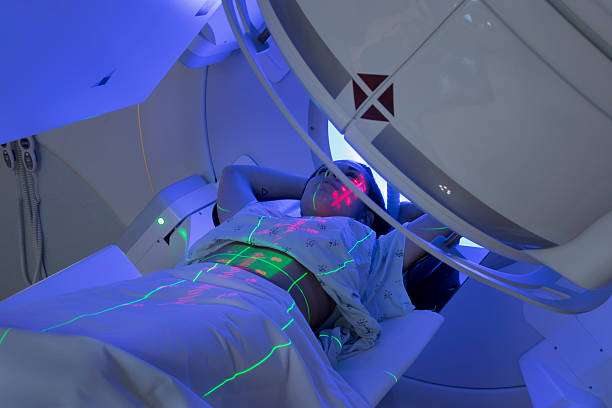
This condition involves malignant growth in breast tissue and affects individuals across a wide age spectrum. Early recognition plays a crucial role in successful management outcomes.
- Common Symptoms: Lumps in the breast or underarm area, changes in skin texture or nipple discharge warrant evaluation.
- How it’s Diagnosed: Mammography along with ultrasound imaging followed by biopsy helps determine malignancy type and stage.
- Treatment Modalities: Surgical removal combined with chemotherapy, radiation therapy, or hormone therapy depending on tumor characteristics.
- Lifestyle & Follow-up: Post-treatment rehabilitation focuses on physical recovery and regular screenings to detect recurrence early.
A personalized treatment plan based on tumor biology assists patients through their journey towards recovery from breast cancer.
PEDIATRIC LEUKEMIA
Pediatric leukemia refers to cancers that affect blood-forming tissues in children. It is the most common childhood cancer but has seen improved survival rates with modern therapies.
- Signs to Watch For: Frequent infections, easy bruising, bone pain, fatigue, and unexplained fever are typical symptoms.
- Diagnostic Tests: Blood tests revealing abnormal white cell counts and bone marrow biopsy confirm diagnosis.
- Treatment Regimens: Chemotherapy remains the mainstay; radiation and stem cell transplant may be necessary for certain cases.
- Prognosis & Care: Regular monitoring during intensive treatment phases is essential for managing side effects and preventing relapse.
The multidisciplinary approach to pediatric leukemia offers hope for remission with appropriate medical support and follow-up care.
LUNG CANCER
Lung cancer is a complex disease that occurs when abnormal cells in the lungs grow uncontrollably. It is one of the leading causes of cancer-related deaths worldwide but early detection can significantly improve outcomes.
- Symptoms and Causes: Persistent cough, chest pain, difficulty breathing, and unexplained weight loss are common signs; smoking is the major risk factor.
- Diagnosis: Imaging tests like X-rays or CT scans followed by biopsy confirm the presence and type of lung cancer.
- Treatment Options: Depending on stage and type, treatments include surgery, chemotherapy, radiation therapy, targeted therapy, or combinations thereof.
- Management: Symptom control and supportive care are integral throughout treatment to maintain quality of life.
Early consultation and adherence to treatment plans can greatly influence prognosis for those affected by lung cancer.