
Dr Alok Kumar
About Me
Dr Alok Kumar
MD
Dermatologist
10 Years Experience
Biography
My Clinic
OPD Hours
| Monday | Morning | 10:00 AM | - | 02:00 PM |
| Evening | 06:00 PM | - | 09:00 PM | |
| Tuesday | Morning | 10:00 AM | - | 02:00 PM |
| Evening | 06:00 PM | - | 09:00 PM | |
| Wednesday | Morning | 10:00 AM | - | 02:00 PM |
| Evening | 06:00 PM | - | 09:00 PM | |
| Thursday | Morning | 10:00 AM | - | 02:00 PM |
| Evening | 06:00 PM | - | 09:00 PM | |
| Friday | Morning | 10:00 AM | - | 02:00 PM |
| Evening | 06:00 PM | - | 09:00 PM | |
| Saturday | Morning | 10:00 AM | - | 02:00 PM |
| Evening | 06:00 PM | - | 09:00 PM | |
| Sunday | Morning | 10:00 AM | - | 02:00 PM |
| Evening | 06:00 PM | - | 09:00 PM |
Treatments
Specialised care and treatments offered
CONTACT DERMATITIS
This condition results from an allergic reaction or irritation following contact with certain substances. It leads to inflammation characterized by rashes appearing where contact occurred on the body.
- < Common symptoms manifest as red itchy patches possibly accompanied by blisters scaling depending upon severity causing considerable discomfort .
- < Accurate diagnosis entails thorough evaluation exploring possible exposure history identifying offending agents through patch testing if needed .
- < Treatment strategies emphasize avoidance strategies applying topical corticosteroids relieving inflammation over-the-counter antihistamines alleviating itchiness .
- < Awareness regarding personal triggers empowers patients enhancing precautionary measures ensuring fewer reactions occur post-exposure enabling improved daily living situations overall .
Through dedicated attention towards identifying irritants necessitating preventative actions individuals facing contact dermatitis navigate daily life much more comfortably effectively minimizing recurrence possibilities lasting impacts showing great resilience through knowledge gained over time .
ROSACEA
SKIN INFECTIONS
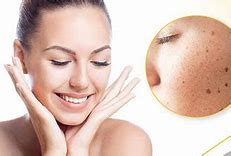
Skin infections are caused by various pathogens including bacteria, viruses, fungi, or parasites. Common forms include cellulitis, impetigo, and fungal infections like ringworm.
- Main symptoms may consist of redness, swelling, pain in the affected area along with possible fever in severe cases.
- A healthcare provider diagnoses these infections through physical exams; laboratory tests may also be conducted when necessary for confirmation.
- Treatment usually involves prescribed antibiotics or antifungal medications depending on the type of infection identified.
- If untreated or if complications arise from an infection: prompt medical attention is essential to prevent worsening conditions such as abscess formation or systemic spread.
Your understanding of symptoms prompting an early intervention will be key in resolving skin infections rapidly and effectively restoring health.
ACNE TREATMENT
Acne is one of the most prevalent skin conditions affecting teenagers and adults alike. It arises from clogged pores due to excess oil production combined with dead skin cells and bacteria.
- Common symptoms include pimples, blackheads, whiteheads, cysts, and scars that may affect self-esteem.
- A dermatologist typically performs a comprehensive clinical evaluation for an accurate differential diagnosis.
- Treatment options vary from over-the-counter topical agents to prescription medications like retinoids or antibiotics based on severity.
- A personalized skincare regimen is crucial for effective management alongside lifestyle changes such as proper cleansing routines.
An effective acne treatment plan not only addresses active lesions but also aims at preventing future outbreaks for clearer skin overall.
ECZEMA
Eczema, or atopic dermatitis, is a common skin condition characterized by inflamed and itchy skin. It often affects children but can occur at any age and may persist into adulthood.
- The primary symptoms are dry, itchy patches that may become cracked or bleed during flare-ups.
- A thorough evaluation by a dermatologist helps in differentiating eczema from other skin issues based on clinical appearance and patient history.
- Treatment typically includes moisturizers, topical steroids, and sometimes immunomodulators for severe cases.
- Long-term management strategies focus on avoiding triggers such as allergens and irritants while maintaining skin hydration.
With appropriate care and understanding of triggers, individuals can effectively manage eczema symptoms and improve their quality of life.
PSORIASIS
Psoriasis is a chronic autoimmune condition that manifests as red, scaly patches on the skin. It can significantly impact quality of life and often requires ongoing management.
- Symptoms typically include thickened, red patches covered with silvery scales, which can be itchy or painful.
- The diagnosis usually involves a physical examination and may include a biopsy to rule out other skin conditions.
- Treatment options include topical medications, phototherapy, and systemic treatments like biologics for more severe cases.
- Patients can expect to manage flare-ups through lifestyle adjustments and adherence to treatment plans.
Understanding this condition is integral to effective management, allowing individuals to lead fulfilling lives while minimizing flare-ups.