
Dr Alok Shahs
About Me
Dr Alok Shahs
Cardiologist
Biography
My Clinic
OPD Hours
| Tuesday | Morning | 10:00 AM | - | 02:00 PM |
| Evening | 06:00 PM | - | 09:00 PM | |
| Wednesday | Morning | 10:00 AM | - | 02:00 PM |
| Evening | 06:00 PM | - | 09:00 PM | |
| Thursday | Morning | 10:00 AM | - | 02:00 PM |
| Evening | 06:00 PM | - | 09:00 PM | |
| Friday | Morning | 10:00 AM | - | 02:00 PM |
| Evening | 06:00 PM | - | 09:00 PM | |
| Saturday | Morning | 10:00 AM | - | 02:00 PM |
| Evening | 06:00 PM | - | 09:00 PM | |
| Sunday | Morning | 10:00 AM | - | 02:00 PM |
| Evening | 06:00 PM | - | 09:00 PM | |
| Thursday | Morning | 10:00 AM | - | 02:00 PM |
| Evening | 06:00 PM | - | 09:00 PM |
Treatments
Specialised care and treatments offered
LIFESTYLE GUIDANCE FOR HEART HEALTH

The connection between lifestyle choices and heart health cannot be overstated. Making conscious decisions daily can significantly influence your cardiovascular well-being over time.
- Diet: Adopting a Mediterranean-style diet rich in healthy fats from fish and nuts aids heart function while minimizing harmful trans fats found in processed foods.
- Exercise: Aiming for at least 150 minutes of moderate aerobic activity weekly promotes circulation and strengthens the heart muscle.
- Stress Management: Techniques such as yoga or meditation contribute positively by lowering stress-related impacts on cardiovascular health.
- Avoidance Habits: Stepping away from smoking or excessive alcohol use greatly benefits long-term cardiac outcomes.
Your commitment towards these small yet impactful habits fosters not only better health but also enhances overall life quality in tandem with cardiac care efforts.
CORONARY ARTERY DISEASE PREVENTION
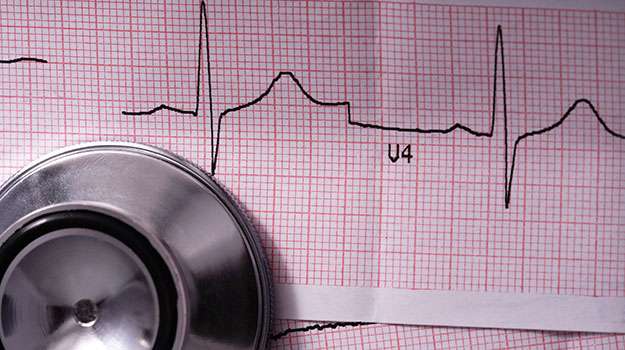
This condition arises from plaque buildup in the coronary arteries leading to reduced blood flow to the heart. Preventing coronary artery disease is critical for maintaining heart health throughout life.
- Symptoms: Often silent until they become serious but may include chest pain or discomfort during exertion.
- Diagnosis: Routine screenings via physical exams coupled with cholesterol tests provide insights into cardiovascular risk.
- Prevention Tactics: Emphasis on a diet rich in fruits and vegetables while limiting processed foods; incorporating aerobic activities into daily routines enhances overall cardiovascular fitness.
- Risk Factor Modification: Addressing factors such as smoking cessation helps significantly lower risks associated with this disease.
A comprehensive strategy that integrates both lifestyle changes along with regular assessments proves vital in thwarting potential progression towards coronary artery disease.
ARRHYTHMIA MANAGEMENT
An arrhythmia refers to an irregular heartbeat that may cause various health issues. Understanding arrhythmias is critical for effective management and prevention of complications.
- Symptoms: Individuals might experience palpitations, dizziness, or even fainting spells if the arrhythmia is severe.
- Diagnosis: Diagnosis often involves EKGs or Holter monitors to track heart rhythm over time. Other tests might also be conducted based on individual circumstances.
- Treatment Options: Management strategies include lifestyle adjustments (such as reducing caffeine intake) alongside medication that regulates heart rate or rhythm when appropriate.
- Surgical Interventions:If non-invasive options don’t suffice, more advanced treatments like catheter ablation may be explored after thorough evaluation.
HEART FAILURE MANAGEMENT
Heart failure occurs when the heart can't pump blood effectively. Early diagnosis and a comprehensive management plan can help improve quality of life for those affected.
- Symptoms: Common manifestations include extreme fatigue, shortness of breath during activity or while lying down, and leg swelling.
- Diagnosis: Evaluation typically includes physical exams, imaging studies like echocardiograms, and lab tests to assess heart function.
- Treatment Approaches: Treatment often involves medications that help improve heart function alongside lifestyle changes such as a low-sodium diet and regular exercise tailored to individual capacity.
- Coping Strategies: Education on recognizing symptoms early allows patients to take proactive steps in managing their condition effectively.
A collaborative approach involving healthcare providers can empower patients in managing heart failure successfully.
CHOLESTEROL MANAGEMENT
High cholesterol levels can lead to the buildup of plaque in arteries, increasing the risk of heart disease. Understanding how to manage cholesterol is key for long-term cardiovascular health.
- Symptoms: High cholesterol usually doesn’t cause any direct symptoms; however, it can lead to coronary artery disease over time.
- Diagnosis: A simple blood test known as a lipid panel can determine cholesterol levels.
- Treatment Strategies: Lifestyle modifications including dietary changes (reducing saturated fats and trans fats), increased physical activity, and weight control are fundamental in managing cholesterol.
- Medications: Statins or other lipid-lowering drugs may be recommended if lifestyle changes alone aren’t enough.
A proactive approach toward monitoring and managing cholesterol can significantly reduce cardiovascular risks.
HYPERTENSION MANAGEMENT
Hypertension, or high blood pressure, is often called the "silent killer" because it typically presents without noticeable symptoms. Proper management is crucial in preventing serious cardiovascular complications.
- Symptoms: While many feel fine, some may experience headaches, shortness of breath, or nosebleeds.
- Diagnosis: Blood pressure readings taken during routine check-ups can identify high blood pressure; additional tests may be necessary to evaluate overall health.
- Treatment Options: Lifestyle changes such as a heart-healthy diet, regular exercise, and weight management play pivotal roles. Medication may also be prescribed when necessary.
- Monitoring: Regular follow-ups are important to track blood pressure levels and adjust treatment plans as needed.
Managing hypertension effectively requires patient engagement and consistent lifestyle adjustments along with medical oversight.