
Dr Alpana Sowani
About Me
Dr Alpana Sowani
General Physician
Biography
My Clinic
OPD Hours
| Tuesday | Morning | 10:00 AM | - | 02:00 PM |
| Evening | 06:00 PM | - | 09:00 PM | |
| Wednesday | Morning | 10:00 AM | - | 02:00 PM |
| Evening | 06:00 PM | - | 09:00 PM | |
| Thursday | Morning | 10:00 AM | - | 02:00 PM |
| Evening | 06:00 PM | - | 09:00 PM | |
| Friday | Morning | 10:00 AM | - | 02:00 PM |
| Evening | 06:00 PM | - | 09:00 PM | |
| Saturday | Morning | 10:00 AM | - | 02:00 PM |
| Evening | 06:00 PM | - | 09:00 PM | |
| Sunday | Morning | 10:00 AM | - | 02:00 PM |
| Evening | 06:00 PM | - | 09:00 PM | |
| Thursday | Morning | 10:00 AM | - | 02:00 PM |
| Evening | 06:00 PM | - | 09:00 PM |
Treatments
Specialised care and treatments offered
RESPIRATORY DISEASE EVALUATION
The evaluation of respiratory diseases encompasses various conditions affecting the airways and lungs. Early detection leads to better management strategies that improve quality of life for affected individuals!
- Common symptoms include persistent coughs, wheezing, shortness of breath, or chest pain which indicate potential respiratory issues needing attention!
GASTROINTESTINAL CONSULTATION

Digestive health impacts various bodily functions. Consulting a general physician regarding gastrointestinal issues is essential for identifying possible disorders early on before they escalate into more significant problems.
- Common symptoms include abdominal pain, bloating, diarrhea, or constipation. These may indicate underlying conditions requiring medical attention
- Diagnosis generally involves thorough patient history assessments along with physical examinations. Additional testing might be recommended based on initial findings。
- Management often includes dietary modifications along with lifestyle changes aimed at enhancing gut health; in some cases,medications may also be prescribed。
- Patients should maintain communication with their physician regarding any persistent symptoms following initial treatment efforts。
- A proactive approach towards digestive concerns encourages timely interventions,thus improving overall wellbeing。
Seeking assistance from healthcare professionals enables individuals to address gastrointestinal concerns effectively。
THYROID FUNCTION TESTS

The thyroid gland plays a crucial role in regulating metabolism. Disorders related to thyroid function can have widespread effects on overall health; hence screening is essential for prompt diagnosis and intervention.
- Symptoms of thyroid disorders vary; hypothyroidism may cause fatigue and weight gain while hyperthyroidism could lead to weight loss and anxiety.
- Blood tests measuring Thyroid Stimulating Hormone (TSH) as well as T3 and T4 levels are crucial for diagnosis.
- Management often involves medication such as levothyroxine for hypothyroidism or antithyroid drugs for hyperthyroidism。
- Regular monitoring ensures that treatment remains effective while minimizing side effects。
- It’s important for patients experiencing symptoms related to energy levels or weight changes to consult a physician for evaluation。
Regular assessment of thyroid function supports maintaining metabolic balance in the body, promoting overall health。
CHOLESTEROL TESTING
Monitoring cholesterol levels is an essential part of cardiovascular health. Knowing your numbers helps manage risks associated with heart disease effectively.
- High cholesterol usually has no symptoms; however, it may lead to serious health issues if untreated.
- A lipid panel blood test measures total cholesterol as well as HDL (good) and LDL (bad) cholesterol levels.
- Treatment may include dietary changes, exercise advice, and possibly statins or other medications if necessary.
- Lifestyle alterations play a crucial role in managing cholesterol levels; this includes eating a heart-healthy diet and staying active.
- A follow-up test is often recommended within a few months after diagnosis or starting treatment to evaluate effectiveness.
Regular cholesterol testing contributes significantly to maintaining overall cardiovascular wellness over time.
DIABETES SCREENING

Diabetes is a chronic condition that affects how your body processes glucose. Early detection through screening is vital for effective management and preventing long-term complications.
- Common symptoms include increased thirst, frequent urination, fatigue, and blurred vision.
- A clinician diagnoses diabetes through blood tests like Fasting Blood Glucose or HbA1c levels.
- Management can include dietary changes, regular physical activity, and possibly insulin therapy or oral medications.
- Educating patients about self-monitoring blood sugar levels is an important aspect of treatment.
- Patients are encouraged to attend regular check-ups to monitor their progress and adjust treatment plans accordingly.
By conducting routine screenings, diabetes can be effectively managed to ensure better health outcomes for patients.
HYPERTENSION MANAGEMENT

High blood pressure, or hypertension, is often called the silent killer due to its lack of evident symptoms. It’s crucial for individuals to monitor their blood pressure regularly to detect any abnormalities early.
- Symptoms may include headaches, shortness of breath, and nosebleeds, though many people experience none.
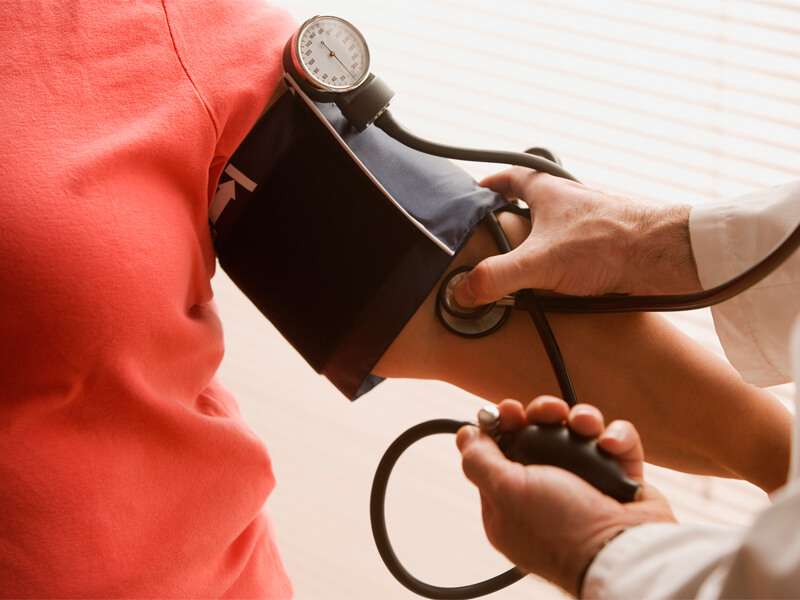
- Diagnosis typically involves measuring blood pressure multiple times using a sphygmomanometer.
- Treatment options include lifestyle modifications like diet and exercise, along with medications such as diuretics or ACE inhibitors.
- Monitoring is essential for assessing the effectiveness of treatment and making necessary adjustments.
- Patients can expect regular follow-ups to ensure their condition is managed effectively.
Effective management of hypertension can significantly reduce the risk of serious complications such as heart disease and stroke.