
Dr Amar Karkhanis
About Me
Dr Amar Karkhanis
DNB
Ophthalmologist
18 Years Experience
Biography
My Clinic
OPD Hours
| Monday | Morning | 09:00 AM | ||
| Evening | 09:00 PM | |||
| Tuesday | Morning | 09:00 AM | ||
| Evening | 09:00 PM | |||
| Wednesday | Morning | 09:00 AM | ||
| Evening | 09:00 PM | |||
| Thursday | Morning | 09:00 AM | ||
| Evening | 09:00 PM | |||
| Friday | Morning | 09:00 AM | ||
| Evening | 09:00 PM |
Treatments
Specialised care and treatments offered
KERATOCONUS MANAGEMENT
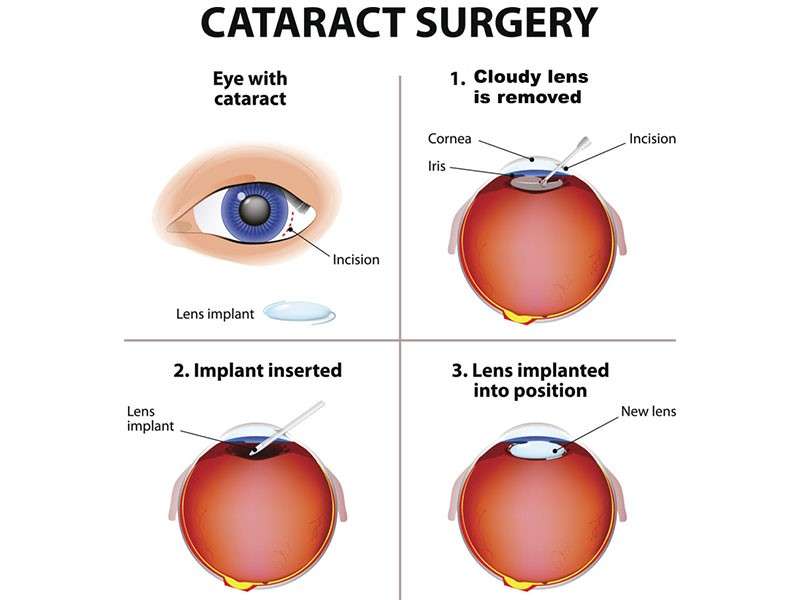
Keratoconus is a progressive condition where the cornea thins and bulges into a cone-like shape resulting in distorted vision. Its exact cause remains largely unknown but genetic factors play a role.
- Symptoms: Visual distortions such as ghosting images followed by frequent changes in prescription glasses are common indicators prompting evaluation.
- Examination Procedures: Corneal topography maps out irregularities detected through comprehensive testing confirming keratoconus diagnosis effectively quantifying its severity too!
- Treatment Options: Manage mild cases conservatively via specialized contact lenses; however advanced scenarios may call for corneal cross-linking stabilization techniques alongside potential surgical interventions like corneal transplantation based upon individual assessments made during follow-ups!
With appropriate management strategies integrated thoughtfully within ongoing care frameworks positively influence outcomes considerably contributing towards enhanced quality living allowing individuals better functionally engage their surroundings optimally without limitations experienced previously!
PTERYGIUM REMOVAL
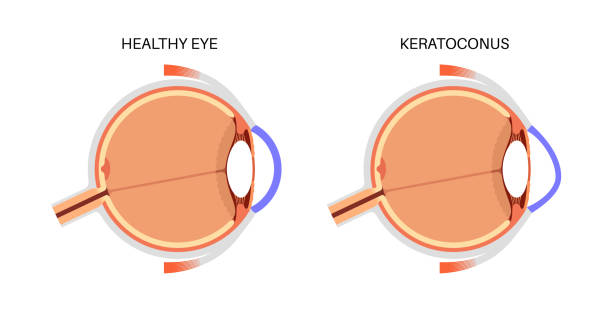
Pterygium is characterized by a growth of fleshy tissue on the conjunctiva that can extend over the cornea. It often develops due to prolonged UV exposure and irritants.
- Symptoms: Common symptoms include discomfort, redness in the eye, and blurred vision if it affects sight lines.
- Diagnosis: An ophthalmologist examines your eyes visually during routine check-ups or whenever you report symptoms.
- Treatments: Small pterygia may not require intervention; however larger ones causing visual issues might need surgical excision.
- Recovery: Post-surgery care involves using prescribed medications to manage inflammation while protecting against UV exposure for successful healing!
Prompt treatment alleviates discomfort while preventing potential complications associated with advanced cases!
RETINAL DETACHMENT SURGERY
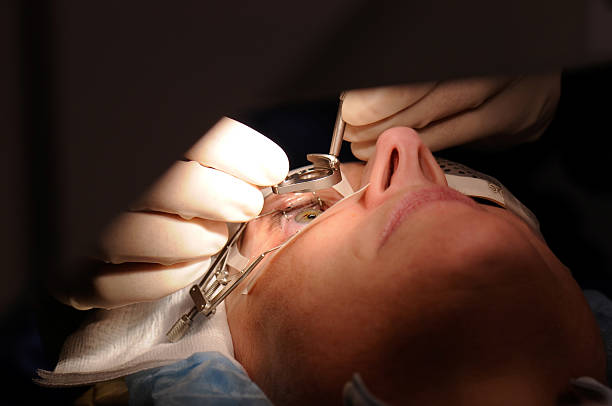
A retinal detachment occurs when the retina pulls away from its normal position at the back of the eye. This medical emergency requires immediate attention to prevent lasting visual impairment or blindness.
- Risk Factors: High myopia, previous eye surgery, or trauma significantly increase your risk of experiencing this condition.
- Disease Progression Symptoms: Initial signs may include flashes of light, floaters, or a shadow obscuring part of your field of vision which necessitates urgent evaluation by an ophthalmologist.
- Surgical Techniques:The treatment options range from laser therapy and cryopexy (freezing) to more complex procedures such as scleral buckling or vitrectomy depending on severity and specific case details.
Your recovery will vary based on surgical approach; however, significant improvement in symptoms generally occurs within weeks if treated promptly!
GLAUCOMA TREATMENT
Glaucoma refers to a group of diseases that damage the optic nerve, often linked with increased intraocular pressure. Early detection is crucial for preventing irreversible vision loss.
- Signs: Symptoms might be subtle initially but can include peripheral vision loss and tunnel vision as the disease progresses.
- Differential Diagnosis: Regular eye exams with pressure measurements can help detect early signs of glaucoma even before symptoms appear.
- Treatment Methods: Management typically involves prescription medications like eye drops, laser treatments, or surgery to lower eye pressure effectively.
- Lifelong Monitoring: Ongoing evaluations are essential post-treatment to monitor changes in optic nerve health and adjust management plans accordingly.
A proactive approach ensures that individuals diagnosed with glaucoma can maintain their vision throughout their lives.
LASIK EYE SURGERY
LASIK (Laser-Assisted In Situ Keratomileusis) is a refractive surgery for correcting common vision problems like myopia, hyperopia, and astigmatism. It reshapes the cornea to improve how light rays are focused on the retina.
- Causes of Poor Vision: Uncorrected refractive errors can lead to difficulties in daily activities such as reading or driving.
- Assessment: A detailed eye exam helps determine candidacy for LASIK by assessing corneal thickness and overall eye health.
- Surgical Process: The procedure generally takes about 15 minutes per eye and involves creating a flap in the cornea using a laser or blade before reshaping it with another laser.
- Risks and Expectations: While most patients achieve 20/25 vision or better, some may still need corrective lenses over time. Side effects may include dry eyes or glare initially.
This minimally invasive treatment has transformed countless lives by reducing dependence on glasses or contact lenses.
CATARACT SURGERY
Cataract surgery is a common procedure aimed at restoring vision by removing the clouded lens of the eye. This condition occurs when proteins in the lens clump together, leading to blurred or cloudy vision.
- Symptoms: Common signs include difficulty seeing at night, sensitivity to light, and double vision.
- Diagnosis: An ophthalmologist performs a comprehensive eye examination, including visual acuity tests and a dilated eye exam to confirm cataracts.
- Treatment Options: The primary treatment is surgical removal of the cataract, usually replaced with an artificial intraocular lens.
- Recovery: Post-surgery, most patients experience improved vision within a few days; however, complete healing may take weeks.
This procedure is highly effective and one of the most performed surgeries worldwide, ensuring a significant enhancement in quality of life for those affected by cataracts.