
Dr Amar Nath Bhar
About Me
Dr Amar Nath Bhar
MD
Cardiologist
Biography
My Clinic
OPD Hours
| Monday | Morning | 10:00 AM | - | 02:00 PM |
| Evening | 06:00 PM | - | 09:00 PM | |
| Tuesday | Morning | 10:00 AM | - | 02:00 PM |
| Evening | 06:00 PM | - | 09:00 PM | |
| Wednesday | Morning | 10:00 AM | - | 02:00 PM |
| Evening | 06:00 PM | - | 09:00 PM | |
| Thursday | Morning | 10:00 AM | - | 02:00 PM |
| Evening | 06:00 PM | - | 09:00 PM | |
| Friday | Morning | 10:00 AM | - | 02:00 PM |
| Evening | 06:00 PM | - | 09:00 PM | |
| Saturday | Morning | 10:00 AM | - | 02:00 PM |
| Evening | 06:00 PM | - | 09:00 PM | |
| Sunday | Morning | 10:00 AM | - | 02:00 PM |
| Evening | 06:00 PM | - | 09:00 PM |
Treatments
Specialised care and treatments offered
PERCUTANEOUS CORONARY INTERVENTION (PCI)

Percutaneous coronary intervention (PCI) provides an essential service when treating narrowed coronary arteries resulting primarily from plaque accumulation. By restoring blood flow efficiently through this catheter-based technique ,patients experience rapid relief from anginal distress along enhanced exercise tolerance overall!
- Symptoms include persistent chest pain triggered usually by physical exertion alongside potential sweating feelings prevalent amongst those suffering this ailment .
- Diagnosis relies heavily upon diagnostic catheterization studies revealing coronary anatomy while observing functional limitations during stress testing challenges !
- Typical workflows involve balloon angioplasty afterward placing stents strategically opposing occluded artery zones maximizing luminal openings back toward normative values facilitating healthy recirculation patterns throughout respective territories !
- Post-procedural care incorporates lifestyle modification programs emphasizing dietary improvements plus regular follow-ups ensuring desired results optimize continuously over time extending benefits longevity-wise effectively !
PCI stands out shaped around innovative therapeutic frameworks ultimately easing concerns expressing cardiological integrity ensuring healthier futures evolving compliantly before us all !
IMPLANTABLE CARDIOVERTER DEFIBRILLATOR (ICD)
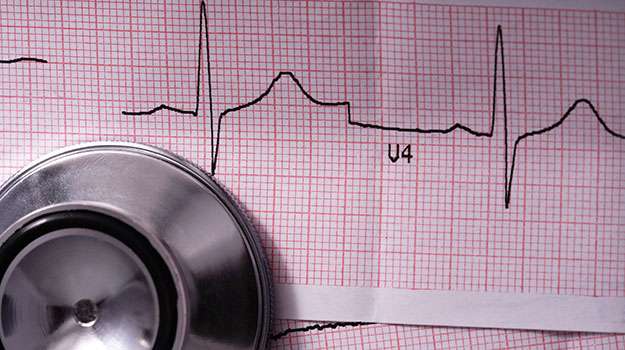
An implantable cardioverter defibrillator (ICD) is a device utilized in patients at high risk for sudden cardiac arrest due mainly due suppressed ventricular arrhythmias. This lifesaving technology detects abnormal rhythms and delivers shocks automatically when needed—crucial for timely intervention!
- The presence of symptoms related might include unexplained fainting episodes or history suggesting previous arrhythmic events resulting perhaps from ischemic heart disease among others leading up its recommendation prep sessions!
- A thorough assessment involving echocardiograms alongside comprehensive stress testing guides further decision-making on need suitability based upon risks assessed beforehand! < li class="text">Surgical implantation occurs under local anesthesia where device placement sits beneath skin pocket near collarbone connected via leads positioned directly into heart tissues ensuring efficient monitoring capability exists throughout lifespan!!< li class="text">Continuous follow-up appointments help ensure device function remains optimal regularly evaluating effectiveness using telemetry technologies!
IC Ds emerge significantly lowering mortality snapshots battling recurrent cardiovascular emergencies—offering precious peace-of-mind across participants journeys ahead .
TRANSCATHETER AORTIC VALVE REPLACEMENT (TAVR)
TAVR is an advanced procedure used primarily in patients with severe aortic stenosis who may be considered high risk for traditional open-heart surgery. It allows for replacement of the heart's aortic valve through a catheter without major incisions.
- Presents with severe symptoms such as extreme fatigue, chest pain upon exertion, or fainting spells due to reduced blood flow from the narrowed valve.
- This condition is confirmed through imaging tests like echocardiograms and CT scans that show severity of stenosis and patient anatomy considerations prior to TAVR evaluation.
- The minimally invasive approach provides quicker recovery times than traditional surgery while ensuring proper placement of a new bioprosthetic valve via catheterization through the femoral artery or other access points.
- This method significantly reduces overall complication rates associated with conventional surgeries while being effective at restoring healthy blood flow patterns in most patients who undergo it successfully!
TAVR continues revolutionizing cardiac care by offering an option where surgeries were once deemed too risky!
HEART VALVE REPAIR
Heart valve repair addresses issues related to malfunctioning valves that disrupt normal blood flow within the heart. Conditions like mitral valve prolapse or stenosis can lead to significant health challenges if not treated appropriately.
- Common symptoms associated with valve disorders include shortness of breath, swelling in the legs or abdomen, and fatigue during exertion.
- An echocardiogram will usually provide critical diagnostics regarding valve structure and function in suspected cases.
- Treatment options vary but often involve surgical procedures such as repair using sutures or using devices like annuloplasty rings for more complex cases.
- Palliative measures include medication management for symptom control until surgery can be performed if necessary.
- The outcome post-surgery often leads to significant symptom relief and improved quality of life for patients.
A successful valve repair can make a remarkable difference in returning balance to cardiovascular function.
ATRIAL FIBRILLATION ABLATION
Atrial fibrillation (AF) ablation is a targeted treatment aimed at correcting an irregular heartbeat. This condition can lead to significant complications including stroke and heart failure if not properly managed.
- The primary symptoms often include palpitations, dizziness, and increased fatigue during normal activities.
- Diagnosis involves Echocardiograms, Holter monitors, or electrocardiograms (ECGs) that help identify irregular electrical activity in the heart.
- The procedure itself typically involves using catheters to destroy small areas of heart tissue that may be causing abnormal signals.
- Ablation may be recommended when medications fail to control AF or when patients experience troubling side effects from them.
- Post-procedure, patients usually follow up with ongoing monitoring to assess their heart rhythm.
This approach offers hope for many seeking relief from persistent arrhythmias and improving their heart function.
CORONARY ANGIOPLASTY
Coronary angioplasty is a minimally invasive procedure designed to restore blood flow to the heart by widening narrowed or blocked arteries. This condition is often caused by a buildup of plaque, which can lead to serious cardiovascular problems if left untreated.
- Symptoms may include chest pain (angina), shortness of breath, and fatigue during physical activity.
- It is typically diagnosed through stress tests or imaging techniques such as angiograms, which visualize the coronary arteries.
- Treatment generally involves inserting a small balloon into the affected artery, which is then inflated to open up the blockage; sometimes, a stent is placed for additional support.
- Pain management and cardiac rehabilitation are important aspects of recovery post-procedure.
- Patients can expect improvement in symptoms and overall quality of life following successful surgery.
This innovative approach has helped countless individuals regain their heart health.