
Dr Ameya Udyavar
About Me
Dr Ameya Udyavar
Cardiologist
Biography
My Clinic
OPD Hours
| Tuesday | Morning | 10:00 AM | - | 02:00 PM |
| Evening | 06:00 PM | - | 09:00 PM | |
| Wednesday | Morning | 10:00 AM | - | 02:00 PM |
| Evening | 06:00 PM | - | 09:00 PM | |
| Thursday | Morning | 10:00 AM | - | 02:00 PM |
| Evening | 06:00 PM | - | 09:00 PM | |
| Friday | Morning | 10:00 AM | - | 02:00 PM |
| Evening | 06:00 PM | - | 09:00 PM | |
| Saturday | Morning | 10:00 AM | - | 02:00 PM |
| Evening | 06:00 PM | - | 09:00 PM | |
| Sunday | Morning | 10:00 AM | - | 02:00 PM |
| Evening | 06:00 PM | - | 09:00 PM | |
| Thursday | Morning | 10:00 AM | - | 02:00 PM |
| Evening | 06:00 PM | - | 09:00 PM |
Treatments
Specialised care and treatments offered
MYOCARDITIS

This inflammatory condition affects the myocardium—the middle layer of the heart wall—and can impair its ability by interfering with electrical signaling which controls heartbeat rhythm.
(...continued)CONGESTIVE HEART FAILURE
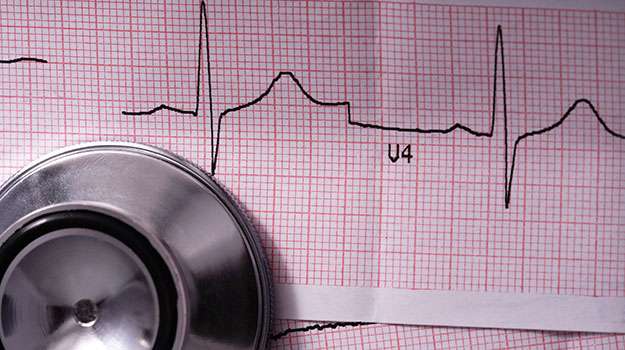
This chronic condition arises when the heart cannot pump sufficiently to maintain adequate blood flow throughout the body. Understanding congestive heart failure is vital for managing symptoms effectively.
- Symptoms : Key signs include shortness of breath during activities or rest and fluid retention causing swelling in legs or abdomen. (...continued)
ATRIAL FIBRILLATION
Atrial fibrillation (AF) entails an irregular heartbeat that increases the risk of stroke and other heart-related complications. It’s crucial for patients experiencing this condition to understand its implications fully.
- Symptoms : Patients may notice palpitations, fatigue, dizziness or episodes of fainting due to irregular heart rhythms occurring spontaneously.
- Causes : AF can stem from various factors such as high blood pressure, coronary artery disease or even hyperthyroidism.
- Diagnosis : An ECG or holter monitor typically aids in detecting AF through rhythm pattern observations over time.
- Treatment options : Management includes anticoagulants for stroke prevention alongside rate control medications; some might also require cardioversion procedures when necessary.
- What to expect : Many patients with AF manage their conditions effectively through treatment while maintaining an active lifestyle with ongoing care.
Being informed about atrial fibrillation empowers individuals toward making proactive choices regarding their health management!
HYPERTENSION (HIGH BLOOD PRESSURE)
This condition signifies continually elevated blood pressure levels which can lead to cardiovascular complications if left untreated. It's a silent but prevalent issue among many adults today.
- Symptoms: Often referred to as the 'silent killer,' hypertension may present no symptoms until severe damage has occurred.
- Causes: Factors contributing include obesity, lack of physical activity, excessive salt intake, and genetic predisposition.
- Diagnosis: Blood pressure readings taken on multiple occasions help confirm hypertension's presence with appropriate thresholds for diagnosis being defined by health standards.
- Treatment options: A combination of lifestyle modifications and medications—such as diuretics or ACE inhibitors—may effectively control high blood pressure over time.
If you've been diagnosed with hypertension, regular monitoring and adherence to treatment plans are critical for protecting your overall cardiovascular health.
HEART ATTACK
A heart attack occurs when blood flow to a section of the heart is blocked for an extended period, causing damage or death to the heart muscle. This situation demands urgent medical attention as it can lead to serious outcomes.
- Symptoms: Common indicators include intense chest pain radiating to the arms, back, neck, or jaw, accompanied by dizziness or shortness of breath.
- Causes: The primary cause is usually a buildup of fatty deposits in the coronary arteries.
- Diagnosis: Diagnosis often involves ECGs and cardiac enzyme tests that monitor damage to heart tissue.
- Treatment options: Immediate treatment may consist of thrombolytics to dissolve clots alongside supportive care including oxygen therapy and antiplatelet agents.
- What to expect: Post-event rehabilitation is essential for recovery and long-term health improvement after a heart attack.
Acting quickly during signs of a heart attack can save lives. Know your warning signs!
ACUTE CORONARY SYNDROME
Acute Coronary Syndrome (ACS) represents a spectrum of conditions associated with sudden, reduced blood flow to the heart. This condition often manifests when there is significant plaque buildup in the coronary arteries, leading to heart muscle damage.
- Symptoms: Patients commonly experience chest pain, shortness of breath, and sometimes nausea or sweating.
- Causes: Major causes include atherosclerosis, blood clots, and severe spasm of coronary arteries.
- Diagnosis: ACS is typically diagnosed through electrocardiograms (ECG), blood tests for cardiac markers, and imaging studies.
- Treatment options: Management can include medications like antiplatelets and statins, lifestyle changes, and procedures such as angioplasty or bypass surgery.
- What to expect: Early management improves outcomes significantly; therefore, immediate medical attention is crucial if symptoms arise.
Understanding ACS can be life-saving. If you suspect any symptoms related to this condition, seek help promptly.