
Dr Amir Hussain
About Me
Dr Amir Hussain
MBBS
General Physician
Biography
My Clinic
OPD Hours
| Monday | Morning | 10:00 AM | - | 02:00 PM |
| Evening | 06:00 PM | - | 09:00 PM | |
| Tuesday | Morning | 10:00 AM | - | 02:00 PM |
| Evening | 06:00 PM | - | 09:00 PM | |
| Wednesday | Morning | 10:00 AM | - | 02:00 PM |
| Evening | 06:00 PM | - | 09:00 PM | |
| Thursday | Morning | 10:00 AM | - | 02:00 PM |
| Evening | 06:00 PM | - | 09:00 PM | |
| Friday | Morning | 10:00 AM | - | 02:00 PM |
| Evening | 06:00 PM | - | 09:00 PM | |
| Saturday | Morning | 10:00 AM | - | 02:00 PM |
| Evening | 06:00 PM | - | 09:00 PM | |
| Sunday | Morning | 10:00 AM | - | 02:00 PM |
| Evening | 06:00 PM | - | 09:00 PM |
Treatments
Specialised care and treatments offered
ANNUAL PHYSICAL EXAM
An annual physical exam serves as a comprehensive check-up that helps monitor overall health while identifying potential medical issues early on. It's an opportunity for preventive care designed just for you!
- Purpose: These exams provide insights into multiple aspects including blood pressure readings, cholesterol levels assessment among other key evaluations that reflect one's current state of wellbeing.
- Screening Tests: Depending upon age-factor guidelines recommendations might differ; typically involve assessments like BMI measurement alongside necessary laboratory tests.
- Health Goals: Discussing any concerns regarding lifestyle choices such as smoking habits/dietary patterns gives room towards achieving personalized health goals moving forward.
The value derived from having an annual physical cannot be overstated—it establishes continuity within healthcare helping prevent future complications down the line!
IMMUNIZATIONS

Immunizations play a vital role in disease prevention by boosting your immune system’s ability to fight infections. Staying up-to-date with vaccinations protects both individual health and public safety.
- Benefits: Vaccinations help prevent serious diseases such as measles or influenza that were once common childhood illnesses but are now largely controllable through vaccines.
- Recommendations: It’s important to follow vaccination schedules based on age groups—children need different vaccinations than adults or seniors.
- Safety: Vaccines are thoroughly tested for safety before approval; side effects are generally mild compared to potential illness risks from vaccine-preventable diseases.
- Consultation: Discussing immunization needs with your physician ensures an appropriate plan tailored specifically for you or your family.
Staying updated on immunizations significantly reduces susceptibility to infectious diseases making it essential for optimal health at every life stage.
CANCER SCREENING
Cancer screening aims to detect potential malignancies before symptoms appear. Early diagnosis greatly improves treatment success rates across various cancer types.
- Symptoms: Many cancers can develop silently without noticeable signs until they reach advanced stages; hence screening is essential for early detection.
- Diagnosis: Various tests are used depending on cancer type; these may include mammograms for breast cancer or colonoscopies for colorectal cancer detection among others.
- Treatment: If detected early during screenings, treatment options may include surgery, radiation therapy, chemotherapy, or immunotherapy tailored to the individual's specific situation.
- Management: Regular screenings according to age recommendations help track health status over time while mitigating risks associated with late-stage diagnosis.
A commitment to routine cancer screenings enhances the likelihood of catching diseases early when they are most treatable.
CHOLESTEROL TESTING
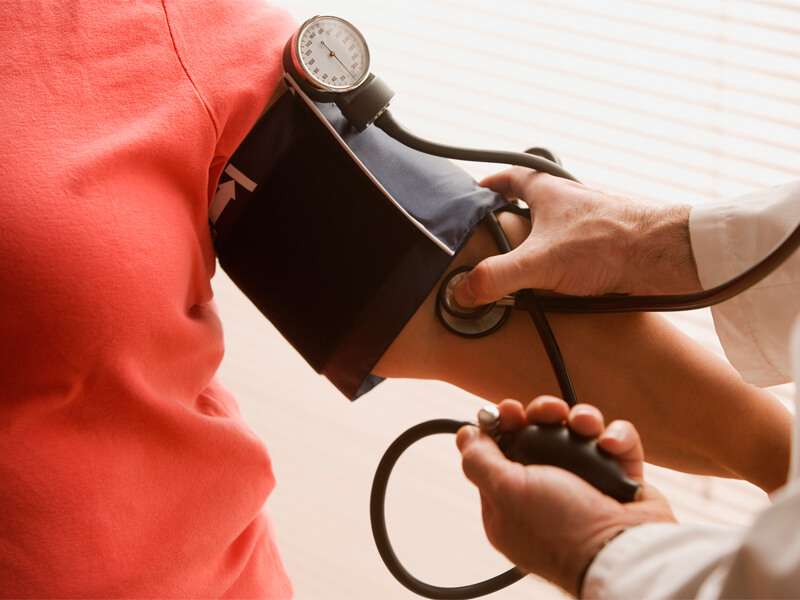
Cholesterol plays a fundamental role in our body's functioning; however, abnormal levels can lead to heart disease. Routine testing is crucial for assessing cardiovascular risk.
- Symptoms: High cholesterol typically presents no noticeable symptoms but increases the risk of heart attacks or strokes over time without intervention.
- Diagnosis: A simple blood test known as a lipid panel measures levels of LDL (bad), HDL (good), and total cholesterol in your bloodstream.
- Treatment: Lifestyle modifications like dietary adjustments, increased physical activity, and statin medications may be recommended based on test results to improve cholesterol balance.
- Management: Regular follow-ups help monitor your cholesterol levels and assess the effectiveness of any prescribed treatment plans.
A proactive approach in monitoring cholesterol levels through screenings can significantly aid in maintaining cardiovascular health.
DIABETES SCREENING

Diabetes has become increasingly common, affecting millions worldwide. An early diagnosis through screening allows for prompt intervention and management to prevent complications.
- Symptoms: Common signs include excessive thirst, frequent urination, fatigue, and blurred vision. Some individuals may not notice symptoms until serious problems arise.
- Diagnosis: Tests such as fasting blood glucose levels or the HbA1c test measure blood sugar over time to confirm diabetes status.
- Treatment: Managing diabetes usually involves dietary changes, physical activity enhancement, and possibly insulin or oral medications depending on the type.
- Management: Ongoing monitoring of blood sugar levels is critical to adjust treatment plans effectively and maintain overall health.
Taking proactive measures through regular screenings can help mitigate the risks associated with this chronic condition.
HYPERTENSION SCREENING
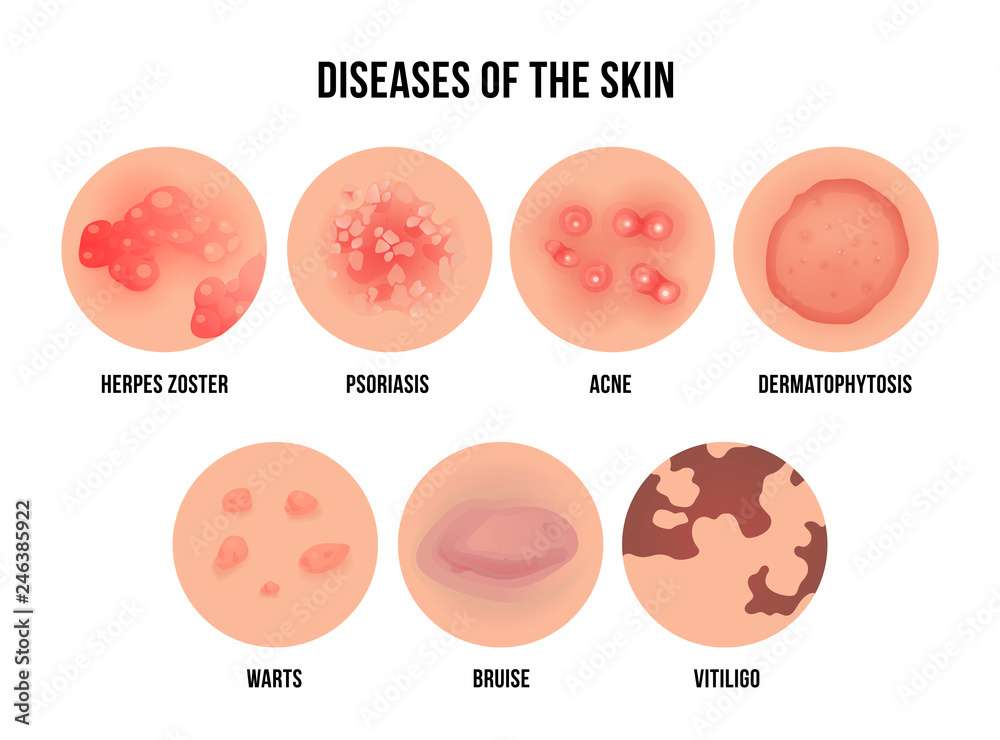
Hypertension, or high blood pressure, is often called the 'silent killer' because it typically has no symptoms. Early detection through screening can help prevent serious health issues.
- Symptoms: Most individuals experience no symptoms; however, severe cases can lead to headaches, shortness of breath, and nosebleeds.
- Diagnosis: Blood pressure is measured using a sphygmomanometer. A reading of 130/80 mmHg or higher indicates hypertension.
- Treatment: Options include lifestyle changes such as diet and exercise, as well as medications like diuretics or ACE inhibitors to manage levels effectively.
- Management: Regular monitoring and follow-up visits are essential for adjusting treatments and ensuring heart health.
- Prevention: Maintaining a healthy weight, reducing salt intake, and managing stress can significantly lower risks of developing hypertension.
Understanding your blood pressure numbers is crucial for long-term health, making regular screenings vital in preventative care.