
Dr Amish V Dalal
About Me
Dr Amish V Dalal
Oncologist
Biography
My Clinic
OPD Hours
| Tuesday | Morning | 10:00 AM | - | 02:00 PM |
| Evening | 06:00 PM | - | 09:00 PM | |
| Wednesday | Morning | 10:00 AM | - | 02:00 PM |
| Evening | 06:00 PM | - | 09:00 PM | |
| Thursday | Morning | 10:00 AM | - | 02:00 PM |
| Evening | 06:00 PM | - | 09:00 PM | |
| Friday | Morning | 10:00 AM | - | 02:00 PM |
| Evening | 06:00 PM | - | 09:00 PM | |
| Saturday | Morning | 10:00 AM | - | 02:00 PM |
| Evening | 06:00 PM | - | 09:00 PM | |
| Sunday | Morning | 10:00 AM | - | 02:00 PM |
| Evening | 06:00 PM | - | 09:00 PM | |
| Thursday | Morning | 10:00 AM | - | 02:00 PM |
| Evening | 06:00 PM | - | 09:00 PM |
Treatments
Specialised care and treatments offered
HPV VACCINATION
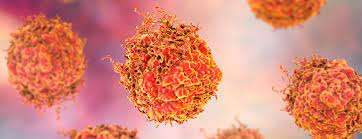
The HPV vaccine is crucial in preventing certain types of cancers caused by the human papillomavirus (HPV). It is recommended for preteens but can be administered up until age 45 for maximum benefit against future cancers such as cervical and throat cancers.
PROSTATE CANCER SCREENING
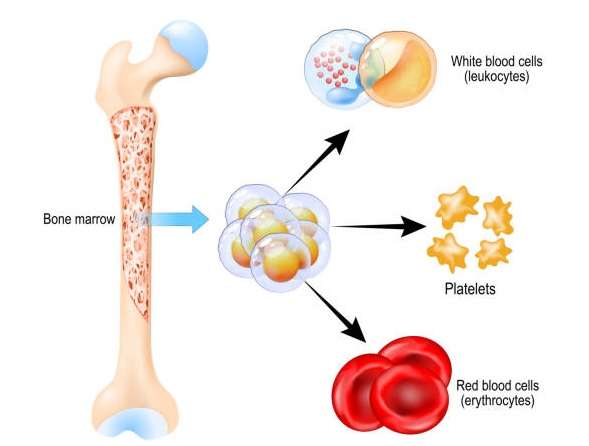
The significance of prostate cancer screening cannot be overstated for men aged 50 years and above. It allows for early detection when treatment options are more effective and complications are minimal.
SKIN CANCER EARLY DETECTION

A proactive approach towards skin health involves regular checks for abnormalities that could signal skin cancer. Understanding the ABCDEs (Asymmetry, Border irregularity, Color variation, Diameter greater than 6mm, Evolving) can aid in self-examinations.
- Causal factors: Ultraviolet (UV) radiation from sun exposure is a major contributor to skin cancers such as melanoma.
- Symptoms: New moles or changes in existing moles should raise concern—especially if they itch or bleed without cause.
LUNG CANCER SMOKING CESSATION PROGRAMS
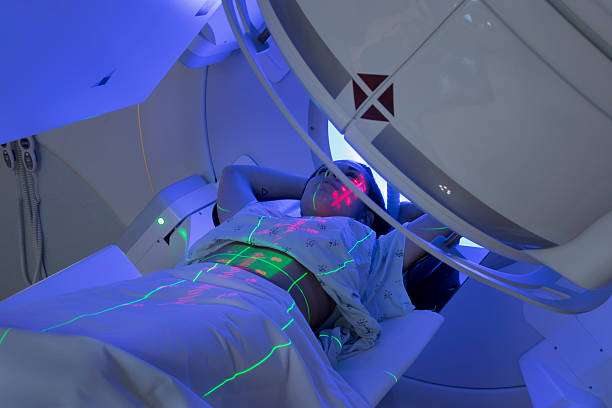
The risk of developing lung cancer significantly increases with smoking; hence programs aimed at helping individuals quit smoking are vital. These programs often incorporate behavioral therapy along with pharmacological aids.
- Causal factors: Smoking remains the primary cause of lung cancer; secondhand smoke exposure also contributes to increased risks.
- Symptoms: Early signs can be subtle but may include a persistent cough, chest pain, or unexpected weight loss that warrants further investigation.
- Treatment options: Management strategies often combine medication for quitting with counseling support tailored to individual needs and backgrounds.
- The process outlook: Quitting smoking not only reduces lung cancer risk but also improves overall health metrics over time—expect improvements in respiratory function shortly after cessation begins.
Your commitment to stopping smoking is one of the most impactful steps you can take toward reducing lung cancer risk!
COLORECTAL CANCER PREVENTION
The prevention of colorectal cancer revolves around lifestyle choices and regular screenings. Individuals aged 45 and older should be screened regularly due to the rising incidence rates among younger populations.
- Symptoms: Symptoms may include blood in the stool, persistent abdominal discomfort, or unexplained weight loss.
- Diagnosis: Colorectal polyps are commonly discovered during routine colonoscopies, which serve both diagnostic and preventive purposes.
- Treatment management: Depending on findings from screenings or symptoms, treatment could involve endoscopic procedures or surgery if cancer is detected.
- What to expect: Many patients undergo minimal discomfort during screenings; however, it's crucial to follow pre-screening preparation guidelines for accurate results.
A proactive approach incorporating diet adjustments alongside regular screenings can dramatically lower risk factors associated with this disease.
BREAST CANCER SCREENING
Regular screening for breast cancer is essential in detecting the disease early and improving treatment outcomes. Women aged 40 and above are typically advised to undergo annual mammograms, although those with a family history may need to start earlier.
- Symptoms: Abnormal breast lumps, changes in breast shape or size, and unusual nipple discharge can indicate potential issues.
- Diagnosis: Diagnosis often involves imaging tests such as mammograms, ultrasounds, and biopsies to confirm the presence of cancerous cells.
- Treatment options: Options include surgery, radiation therapy, chemotherapy, and hormonal therapy. The choice of treatment depends on various factors including the cancer stage.
- What to expect: Early detection through screening can lead to less aggressive treatments and better prognoses. Patients may experience varying levels of anxiety before receiving results.
Staying proactive about screenings can significantly impact your health journey by enabling timely interventions when necessary.