
Dr Amit Bhatnagar
About Me
Dr Amit Bhatnagar
MD
Internal Medicine
Biography
My Clinic
OPD Hours
| Monday | Morning | 10:00 AM | - | 02:00 PM |
| Evening | 06:00 PM | - | 09:00 PM | |
| Tuesday | Morning | 10:00 AM | - | 02:00 PM |
| Evening | 06:00 PM | - | 09:00 PM | |
| Wednesday | Morning | 10:00 AM | - | 02:00 PM |
| Evening | 06:00 PM | - | 09:00 PM | |
| Thursday | Morning | 10:00 AM | - | 02:00 PM |
| Evening | 06:00 PM | - | 09:00 PM | |
| Friday | Morning | 10:00 AM | - | 02:00 PM |
| Evening | 06:00 PM | - | 09:00 PM | |
| Saturday | Morning | 10:00 AM | - | 02:00 PM |
| Evening | 06:00 PM | - | 09:00 PM | |
| Sunday | Morning | 10:00 AM | - | 02:00 PM |
| Evening | 06:00 PM | - | 09:00 PM |
Treatments
Specialised care and treatments offered
HEART FAILURE
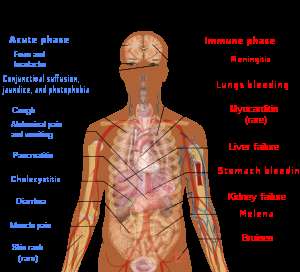
Heart failure occurs when the heart cannot pump sufficiently to maintain blood flow throughout the body. This results in fatigue and fluid buildup among other symptoms requiring attention from healthcare professionals promptly!
- Main causes include coronary artery disease high blood pressure—other conditions contributing too like diabetes or valvular heart disease! /Diagnosis entails physical exams along with echocardiograms assessing heart size/movement alongside blood tests values gauging overall function!/Management involves lifestyle modifications plus medications aimed at controlling symptoms diuretics ACE inhibitors beta-blockers helping enhance quality life limit swelling prevent hospitalizations!Patients must stay informed about warning signs worsening health followed closely by clinicians assisting care coordination next steps adjustment plans when needed!
Successful management greatly contributes achieving fulfilling lives despite limitations associated heart failure
PNEUMONIA
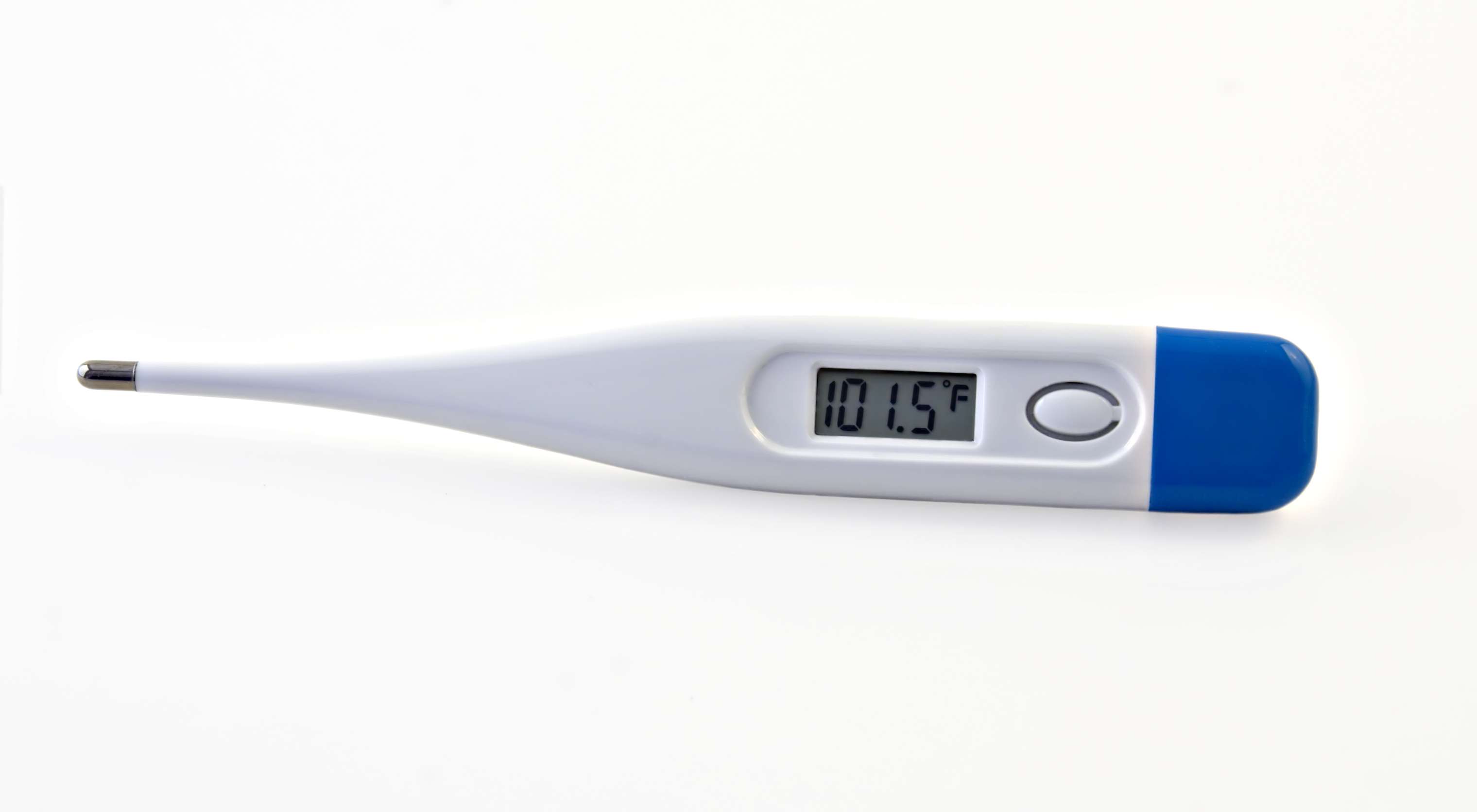
Pneumonia is an infection that inflames air sacs in one or both lungs. These become filled with fluid or pus leading to breathing difficulties; it's particularly concerning among vulnerable populations like the elderly or those with compromised immune systems.
- The infection can be bacterial, viral, or fungal causing various symptoms including cough with phlegm, fever, chills, and difficulty breathing;
- Diagnosis typically involves chest X-rays alongside sputum tests to identify the causative organism;
- Treatment varies according to severity—mild cases may resolve with antibiotics while hospitalized patients might need IV medications depending on infection type;
- Vaccinations are available which can significantly reduce risk factors for pneumonia development at different ages;
- Patients should expect improvement within days but follow-ups ensure no lingering effects or recurrent infections arise afterward.
Timely treatment significantly reduces hospitalization duration while improving recovery outcomes significantly.
ACUTE KIDNEY INJURY
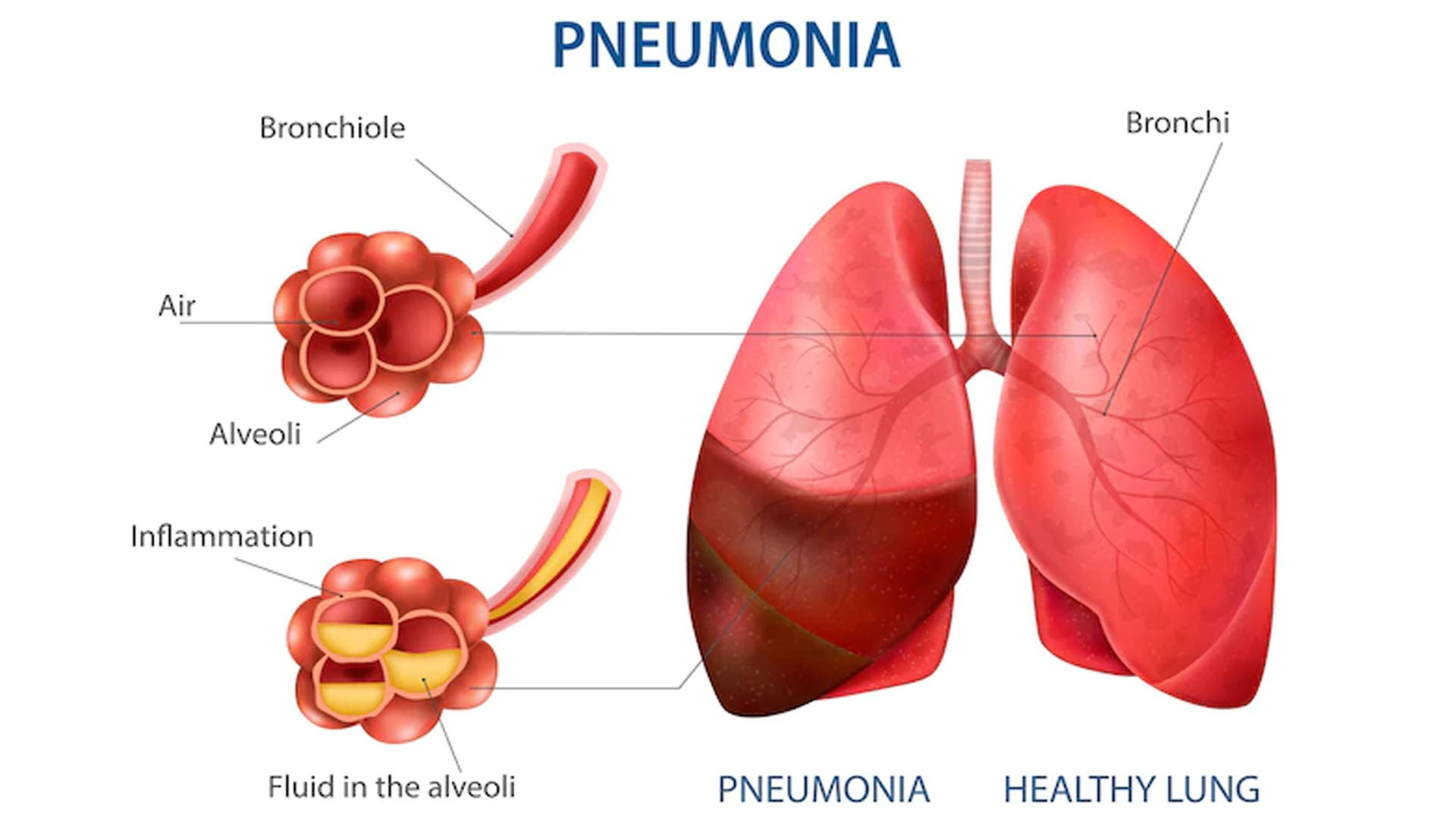
Acute kidney injury (AKI) occurs when there is a sudden decrease in kidney function, leading to an accumulation of waste products in the body. This medical emergency often necessitates swift intervention.
- Main causes include dehydration, infections, certain medications, or pre-existing conditions affecting blood flow to kidneys.
- Diagnosis relies on serum creatinine tests alongside urine output measurement to assess kidney function rapidly;
- Management focuses on treating the underlying cause—rehydration or discontinuation of nephrotoxic drugs are common strategies;
- In some cases, dialysis may be required temporarily until kidney function recovers;
- Follow-up appointments help ensure recovery progress while evaluating any long-term complications that may arise.
Early detection and treatment are vital for preventing permanent damage from acute kidney injury.
CHRONIC OBSTRUCTIVE PULMONARY DISEASE (COPD)
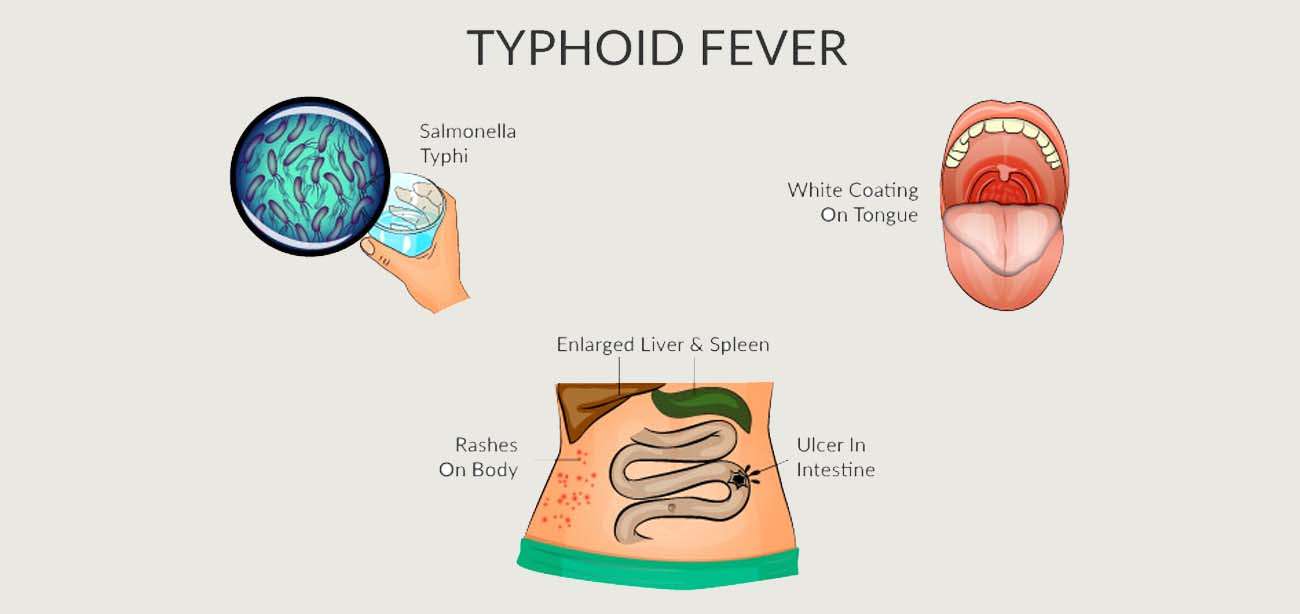
COPD is a progressive lung disease that encompasses conditions such as emphysema and chronic bronchitis. It primarily affects airflow in the lungs making breathing difficult for patients.
- The primary cause is long-term exposure to irritants that damage the lungs; tobacco smoking remains the leading contributor.
- Disease diagnosis typically involves pulmonary function tests that measure how well the lungs are working.
- Treatment options include bronchodilators and corticosteroids inhalers to ease symptoms and improve airflow;
- In severe cases, oxygen therapy may be required or even surgical interventions like lung volume reduction surgery may be considered.
- Painters can also adopt lifestyle changes such as quitting smoking and engaging in pulmonary rehabilitation programs for better outcomes.
Comprehensive management not only enhances the quality of life but also prolongs survival rates among patients suffering from COPD.
HYPERTENSION
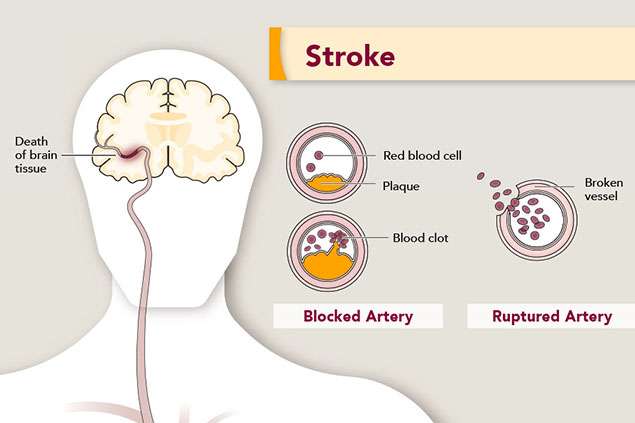
Hypertension, or high blood pressure, is often referred to as a 'silent killer' because it usually presents no symptoms until serious damage has occurred. It is a significant risk factor for cardiovascular diseases.
- Common causes include obesity, high salt intake, lack of physical activity, and genetic predisposition.
- Blood pressure readings are taken during routine checks to diagnose hypertension; readings consistently above 130/80 mmHg warrant further evaluation.
- Management often starts with lifestyle modifications such as dietary changes and increased physical activity; medication may also be prescribed if necessary.
- Pill adherence and regular monitoring are crucial for maintaining target blood pressure levels.
- Patients are encouraged to monitor their own blood pressure at home for effective management over time.
This condition requires lifelong management to reduce risks associated with undetected high blood pressure.
DIABETES MELLITUS
Diabetes Mellitus is a chronic condition characterized by elevated levels of glucose in the blood. It occurs when the body either does not produce enough insulin or cannot effectively use the insulin it produces.
- Symptoms can include increased thirst, frequent urination, fatigue, and blurred vision.
- The condition is diagnosed through tests measuring blood sugar levels, including fasting blood glucose tests and HbA1c tests.
- Treatment and management options range from lifestyle changes, such as diet and exercise, to medications like metformin or insulin therapy.
- Regular monitoring of blood glucose levels is essential for managing diabetes effectively.
- Patients can expect ongoing follow-up appointments to monitor their condition and make necessary adjustments to their treatment plan.
Proper management of diabetes is crucial to prevent complications such as heart disease, nerve damage, and kidney issues.