
Dr Amit Goyal M
About Me
Dr Amit Goyal M
MD
Cardiologist
Biography
My Clinic
OPD Hours
| Monday | Morning | 10:00 AM | - | 02:00 PM |
| Evening | 06:00 PM | - | 09:00 PM | |
| Tuesday | Morning | 10:00 AM | - | 02:00 PM |
| Evening | 06:00 PM | - | 09:00 PM | |
| Wednesday | Morning | 10:00 AM | - | 02:00 PM |
| Evening | 06:00 PM | - | 09:00 PM | |
| Thursday | Morning | 10:00 AM | - | 02:00 PM |
| Evening | 06:00 PM | - | 09:00 PM | |
| Friday | Morning | 10:00 AM | - | 02:00 PM |
| Evening | 06:00 PM | - | 09:00 PM | |
| Saturday | Morning | 10:00 AM | - | 02:00 PM |
| Evening | 06:00 PM | - | 09:00 PM | |
| Sunday | Morning | 10:00 AM | - | 02:00 PM |
| Evening | 06:00 PM | - | 09:00 PM |
Treatments
Specialised care and treatments offered
CARDIAC ARREST

A cardiac arrest occurs suddenly when the heart stops beating unexpectedly. This life-threatening condition requires immediate resuscitation efforts—time is critical!
- The individual may collapse suddenly & show no signs of pulse breathing indicating dire need for emergency assistance!
- Diagnosis involves confirming no heartbeat & performing CPR while awaiting professional medical help;
- Immediate treatments revolve around applying defibrillation through electric shocks restoring normal rhythm alongside advanced life support protocols followed swiftly thereafter!
- Post-arrest care encompasses investigations into underlying conditions such as CAD potentially preventing recurrence ensuring comprehensive rehabilitation afterwards!
Swift action coupled with knowledge about cardiac arrest empowers bystanders needing quick decisions potentially saving lives every second counts!
CORONARY ARTERY DISEASE
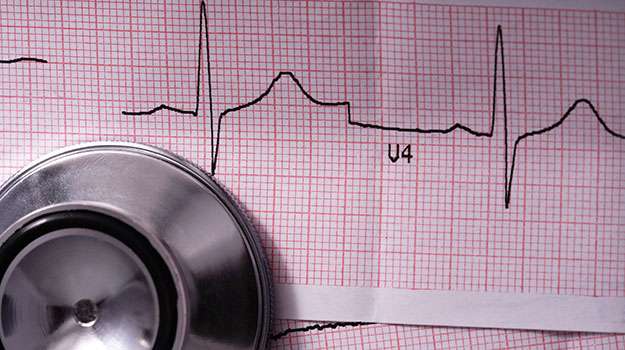
This condition arises when the coronary arteries become narrowed due to plaque buildup—a process called atherosclerosis. Over time, this can restrict blood flow to the heart muscle itself, leading to various cardiac problems including angina or heart attacks.
- Main symptoms often include chest pain during exertion or stress but may vary between individuals; some experience no symptoms at all until a significant event occurs!
- Your doctor may conduct stress tests combined with imaging techniques for an accurate diagnosis of CAD severity!
- Treatment modalities encompass lifestyle adjustments involving diet and exercise alongside medication regimens aimed at managing cholesterol levels & reducing risks!
- In advanced cases where lifestyle & medications prove insufficient; interventions such as stenting or bypass surgery could be considered!
Proactive measures taken towards understanding coronary artery disease make all the difference; early detection leads directly toward improved outcomes!
HYPERTENSIVE EMERGENCIES
A hypertensive emergency is characterized by severely elevated blood pressure levels that can result in organ damage. Immediate medical attention is critical when such emergencies arise to prevent serious health issues.
- The primary symptoms may include severe headaches, chest pain, blurred vision, or shortness of breath that signify immediate danger.
- A healthcare professional will likely measure your blood pressure with sphygmomanometry during diagnosis along with other relevant assessments of organ functions.
- Treatment often involves intravenous medications aimed at rapidly lowering blood pressure without causing further complications.
- A comprehensive plan post-crisis focuses on long-term management through lifestyle changes and maintenance medications like ACE inhibitors or diuretics.
Early recognition of symptoms leads to better outcomes and saves lives in cases of hypertensive emergencies—don’t hesitate to seek help!
ATRIAL FIBRILLATION
Atrial fibrillation (AFib) is an irregular heartbeat that can lead to serious complications like stroke. It disrupts the normal rhythm of the heartbeat due to chaotic electrical signals in the atria of the heart.
- The most prevalent symptoms include palpitations, dizziness, fatigue, and shortness of breath during activity.
- A diagnosis typically involves an ECG or Holter monitor that records your heartbeat over 24 hours or more.
- Treatment might involve anticoagulants to prevent blood clots along with rate control medications such as beta-blockers.
- Certain cases may require procedures like cardioversion or catheter ablation depending on severity.
- If left untreated, AFib can increase your risk for more severe cardiac events; hence monitoring is imperative.
Catching atrial fibrillation early offers better management opportunities and healthier outcomes for those affected by this condition.
CONGESTIVE HEART FAILURE
This condition occurs when the heart is unable to pump effectively, leading to fluid buildup in the lungs and surrounding tissues. Congestive heart failure (CHF) can stem from various causes including coronary artery disease and hypertension.
- Common symptoms of CHF include fatigue, swelling in the legs and feet, as well as persistent cough or wheezing.
- Your healthcare provider might conduct imaging tests such as an echocardiogram or chest X-ray for diagnosis.
- Treatment generally involves medications like diuretics for fluid removal or ACE inhibitors to improve heart function.
- Lifestyle modifications are essential; dietary changes and regular exercise play a significant role in managing CHF.
- Understanding your condition will help you recognize signs of worsening symptoms promptly.
With proper management and support, many patients lead fulfilling lives despite having congestive heart failure.
ACUTE MYOCARDIAL INFARCTION
Acute myocardial infarction, commonly known as a heart attack, occurs when blood flow to a portion of the heart is blocked. The heart muscle can become damaged or die if not treated promptly.
- Symptoms may include chest pain, shortness of breath, sweating, and nausea.
- Diagnosis often involves an ECG (electrocardiogram) and blood tests to check for heart damage markers.
- Treatment options can range from medications to restore blood flow, such as thrombolytics, to invasive procedures like angioplasty.
- Management may also include lifestyle changes and long-term medication therapy to prevent recurrence.
- During recovery, patients can expect follow-up evaluations and education on maintaining heart health.
Timely intervention is crucial in minimizing heart damage and improving outcomes for individuals experiencing a heart attack.