
Dr Amit Jain MS
About Me
Dr Amit Jain MS
MBBS
General Physician
10 Years Experience
Biography
My Clinic
OPD Hours
| Monday | Morning | 10:00 AM | - | 02:00 PM |
| Evening | 06:00 PM | - | 09:00 PM | |
| Tuesday | Morning | 10:00 AM | - | 02:00 PM |
| Evening | 06:00 PM | - | 09:00 PM | |
| Wednesday | Morning | 10:00 AM | - | 02:00 PM |
| Evening | 06:00 PM | - | 09:00 PM | |
| Thursday | Morning | 10:00 AM | - | 02:00 PM |
| Evening | 06:00 PM | - | 09:00 PM | |
| Friday | Morning | 10:00 AM | - | 02:00 PM |
| Evening | 06:00 PM | - | 09:00 PM | |
| Saturday | Morning | 10:00 AM | - | 02:00 PM |
| Evening | 06:00 PM | - | 09:00 PM | |
| Sunday | Morning | 10:00 AM | - | 02:00 PM |
| Evening | 06:00 PM | - | 09:00 PM |
Treatments
Specialised care and treatments offered
GASTROESOPHAGEAL REFLUX DISEASE (GERD)
This chronic digestive condition occurs when stomach acid frequently flows back into the esophagus causing irritation. Managing GERD not only improves comfort but also prevents more severe complications associated with the disease over time.
- Symptoms often manifest as heartburn after eating or lying down along with regurgitation where stomach contents enter the throat; persistent coughs may also occur if acid irritates airways.
- Diagnosis includes endoscopic evaluation allowing visualization of esophageal lining plus taking histologic samples confirming inflammation presence.
- Management strategies encompass lifestyle changes like dietary adjustments avoiding trigger foods combined with antacids or proton pump inhibitors relieving discomfort related gastroesophageal reflux disease .
- Long-term control aids symptom relief significantly strengthens quality-of-life outcomes preventing possible Barrett’s Esophagus linked cancer risks arising from chronic untreated reflux.
Implementing effective GERD management plans ensures improved patient experiences daily while minimizing symptom flare-ups encountered frequently during everyday activities .
THYROID DISORDERS

The thyroid gland produces hormones that regulate metabolism; disorders such as hypothyroidism (underactive thyroid) or hyperthyroidism (overactive thyroid) can disrupt bodily functions significantly. Understanding these conditions enables better management strategies for affected individuals.
- The most common symptoms of hypothyroidism include fatigue, weight gain, sensitivity to cold temperatures while hyperthyroidism may cause weight loss despite increased appetite alongside nervousness and heat intolerance.
- A physician usually diagnoses thyroid disorders through blood tests measuring TSH and hormone levels as well as physical exams evaluating physical signs like goiter presence or dry skin texture。
- Treatment options vary based on specific disorder types; hypothyroidism often requires hormone replacement therapy while hyperthyroidism may necessitate medications or even surgery depending on severity level.
- Regular monitoring is needed post-treatment initiation to ensure hormone levels remain stable throughout life.
Ongoing communication between patients regarding any changes simplifies managing thyroid disorders effectively.
CHOLESTEROL MANAGEMENT
High cholesterol levels can lead to cardiovascular diseases if not addressed properly. It is important to understand how cholesterol functions in the body while recognizing potential risks associated with elevated levels.
- The body needs cholesterol to build cells; however, too much LDL (bad cholesterol) can result in plaque formation in arteries leading to heart attacks or strokes.
- Symptoms are generally absent until serious conditions arise; therefore screening through lipid panels is critical for early detection.
- Lifestyle changes including a balanced diet low in saturated fats and regular exercise play key roles in managing cholesterol levels effectively.
- If necessary, medication such as statins may be prescribed based on individual risk factors including age and family history of heart disease.
Sustained efforts toward maintaining healthy cholesterol levels significantly benefit overall cardiovascular health over time.
ASTHMA MANAGEMENT
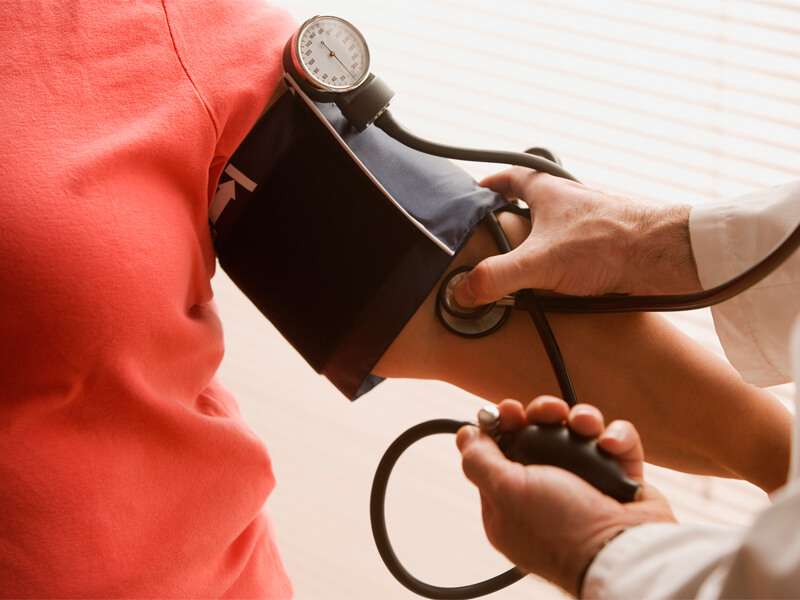
Asthma is a common chronic respiratory condition characterized by inflammation of the airways. Individuals with asthma often experience breathing difficulties triggered by various environmental factors.
- Key symptoms include wheezing, coughing (especially at night), chest tightness, and shortness of breath.
- A healthcare provider diagnoses asthma through medical history evaluation and lung function tests such as spirometry.
- Treatment can range from inhalers containing bronchodilators to corticosteroids for inflammation control; avoiding triggers is also essential for management.
- Monitoring symptoms closely allows individuals to adjust their treatment plans proactively in consultation with their physician.
An asthma action plan created with a healthcare provider helps ensure effective management strategies are in place for emergencies.
DIABETES MANAGEMENT

Diabetes is a chronic condition that occurs when the body cannot properly process food for use as energy. Over time, high blood sugar levels can cause serious health complications, making effective management essential.
- The two main types are type 1 diabetes, which is usually diagnosed in childhood, and type 2 diabetes, which often develops in adults due to obesity or sedentary lifestyle.
- Symptoms may include increased thirst, frequent urination, fatigue, and blurred vision.
- Diagnosis involves blood tests to measure glucose levels; HbA1c tests provide an overview of long-term management success.
- Treatment includes dietary changes, physical activity, regular monitoring of blood sugar levels, and possibly insulin therapy or other medications.
- A comprehensive approach helps prevent complications like nerve damage or cardiovascular issues.
Coping with diabetes requires ongoing education and support to maintain effective management over time.
HYPERTENSION
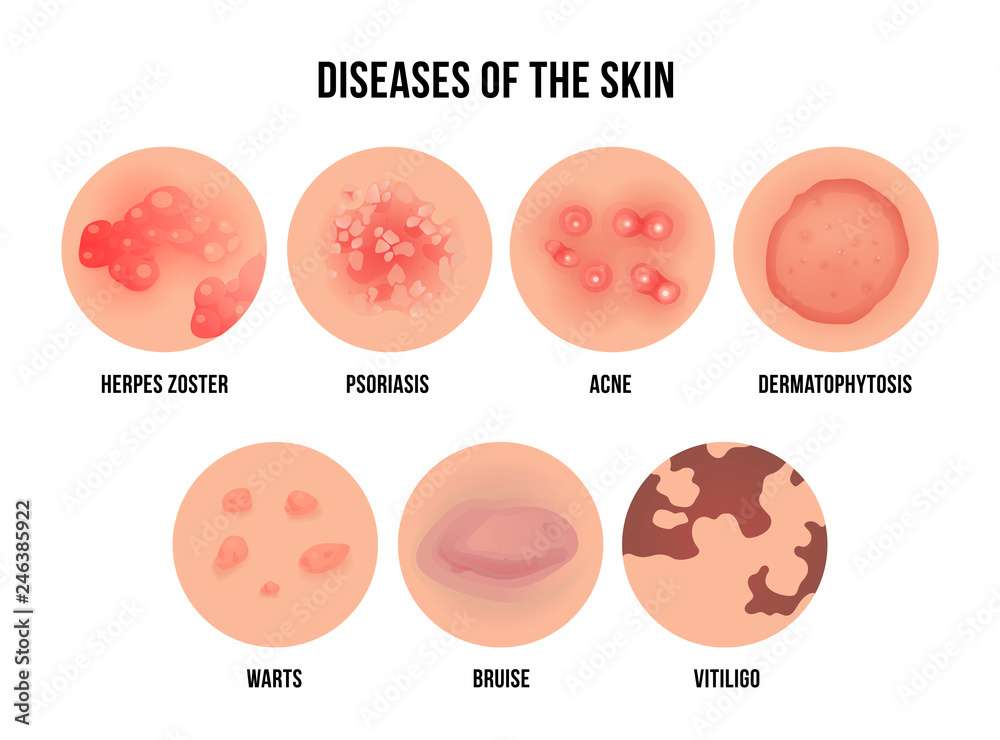
Hypertension, or high blood pressure, often develops over many years and can lead to serious health complications if left untreated. It is sometimes called a silent killer because there are often no noticeable symptoms until significant damage has occurred.
- Common symptoms can include headaches, shortness of breath, and nosebleeds; however, many individuals remain asymptomatic.
- Diagnosis typically involves measuring blood pressure during several visits; readings consistently higher than 130/80 mmHg indicate hypertension.
- Treatment options may include lifestyle modifications such as diet and exercise, along with medications like diuretics or ACE inhibitors for more severe cases.
- Management is crucial as it reduces the risk of heart disease, stroke, and kidney problems.
- Regular check-ups will help monitor blood pressure levels and adjust treatments as necessary.
Managing hypertension effectively requires patient engagement in both medical treatment and lifestyle choices to promote overall health.