
Dr Amit Joshi Se
About Me
Dr Amit Joshi Se
MD
Oncologist
10 Years Experience
Biography
My Clinic
OPD Hours
| Monday | Morning | 10:00 AM | - | 02:00 PM |
| Evening | 06:00 PM | - | 09:00 PM | |
| Tuesday | Morning | 10:00 AM | - | 02:00 PM |
| Evening | 06:00 PM | - | 09:00 PM | |
| Wednesday | Morning | 10:00 AM | - | 02:00 PM |
| Evening | 06:00 PM | - | 09:00 PM | |
| Thursday | Morning | 10:00 AM | - | 02:00 PM |
| Evening | 06:00 PM | - | 09:00 PM | |
| Friday | Morning | 10:00 AM | - | 02:00 PM |
| Evening | 06:00 PM | - | 09:00 PM | |
| Saturday | Morning | 10:00 AM | - | 02:00 PM |
| Evening | 06:00 PM | - | 09:00 PM | |
| Sunday | Morning | 10:00 AM | - | 02:00 PM |
| Evening | 06:00 PM | - | 09:00 PM |
Treatments
Specialised care and treatments offered
PANCREATIC CANCER
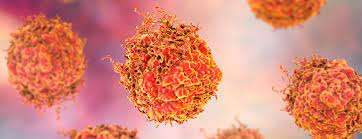
This deadly form emerges within pancreatic tissues affecting digestion processes adversely. Diagnosing it early poses challenges owing chiefly towards subtlety associated with symptom onset until advanced stages arise necessitating immediate attention!
- Symptoms : Abdominal pain radiating towards back , jaundice appearing gradually alongside sudden diabetes onset serve as alerts needing further exploration .
- Causes : Risk factors encompass smoking , obesity combined familial history increasing likelihood rendering individuals susceptible over time period .
- Diagnostic measures : Imaging modalities (CT/MRI) assist visualizing abnormal masses while tissue sampling secures confirmation appropriately validating concerns raised initially .
The imperative lies within recognizing warning signals allowing timely interventions leading hopefully towards enhanced survivorship rates amongst affected individuals navigating this challenging landscape ahead!
HODGKIN'S LYMPHOMA
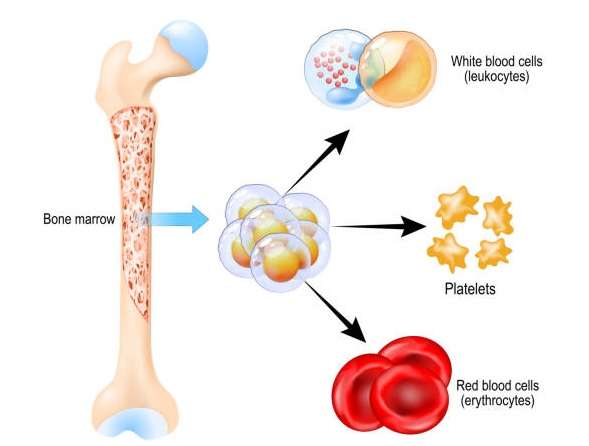
This specific type of lymphoma primarily affects lymphatic tissue involving lymph nodes throughout the body. Symptoms may often resemble other conditions which complicates diagnosis if not closely monitored.
- Symptoms: Painless swelling of lymph nodes , fever , night sweats , weight loss are classic presentations urging evaluation .
- Causes: The exact cause remains unknown yet both age group (young adults & older adults) demonstrate higher incidences .
- Diagnosis process: Biopsies identifying Reed-Sternberg cells confirm Hodgkin's disease existence while imaging determines staging .
- Treatment regime includes: Chemotherapy mainly constitutes first-line treatment but radiation might augment depending on disease progression .
Recognizing lymphoma forms assists patients towards proper therapeutic channels ensuring better overall results during management .
PROSTATE CANCER

This malignancy arises from the prostate gland's cells. Prostate cancer often grows slowly but can occasionally be aggressive. Understanding risk factors can aid in making informed decisions regarding screenings
- Symptoms: Frequent urination at night (nocturia), difficulty starting/stopping urination, or blood in urine may indicate issues requiring further assessment.
- Diagnosis: Blood tests measuring PSA levels coupled with digital rectal exams help identify abnormalities within the prostate gland .
- Treatment options: Active surveillance might be appropriate for slow-growing cases while surgical intervention , radiation therapy , hormone therapy play roles based on severity .
Prostate health awareness enables proactive monitoring while fostering timely interventions when necessary .
COLORECTAL CANCER
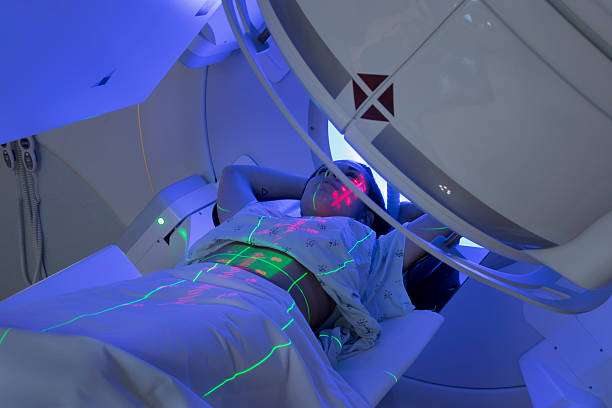
This form of cancer develops in the colon or rectum and often begins as benign growths known as polyps. Regular screenings can significantly reduce risk by enabling early detection before symptoms arise.
- Symptoms: Changes in bowel habits, blood in stool, abdominal discomfort are common indicators that warrant investigation.
- Causative factors: A diet high in fats or low in fiber could contribute alongside family history as risk elements.
- Diagnosis methods: Colonoscopy is a critical procedure allowing direct viewing of the colon lining while also allowing for biopsies if needed.
- Treatment strategies: Surgical removal is often necessary along with chemotherapy or radiation therapy based on extent of spread.
The prognosis for colorectal cancer improves significantly with early detection through recommended screening practices.
LUNG CANCER
Lung cancer is a leading cause of cancer-related deaths worldwide. It typically occurs due to genetic mutations often driven by environmental factors such as smoking or exposure to certain chemicals. Awareness of risk factors plays a significant role in prevention.
- Causes: Smoking is the primary risk factor; however, non-smokers can also develop lung cancer due to genetic predispositions or secondhand smoke exposure.
- Symptoms: Persistent cough, unexplained weight loss, and chest pain are among common warning signs that should not be ignored.
- Diagnosis: Imaging tests like X-rays or CT scans are essential for detecting lesions; biopsies help confirm cancer presence.
- Treatment approaches: Depending on stage and type, options may include surgery, chemotherapy, targeted therapy, or immunotherapy.
Timely intervention and personalized treatment plans are key elements in managing lung cancer effectively.
BREAST CANCER
Breast cancer is a complex disease that affects thousands of women and men each year. It arises when cells in the breast begin to grow uncontrollably, leading to the formation of tumors. Early detection and treatment are crucial for improving outcomes.
- Symptoms: Common signs include a lump in the breast, changes in breast shape or size, and unusual discharge from the nipple.
- Diagnosis: A mammogram, ultrasound, or biopsy may be used to confirm the presence of cancerous cells.
- Treatment options: These can include surgery, radiation therapy, chemotherapy, and hormone therapy depending on the stage and type of cancer.
- Management: Ongoing care often involves regular check-ups and imaging tests to monitor for recurrence.
- Expectations: Patients may experience a range of emotions following diagnosis; support groups and counseling can be beneficial.
Understanding breast cancer empowers patients to take an active role in their care journey, enhancing both their knowledge and resilience.