
Dr Amit Sharma
About Me
Dr Amit Sharma
Anesthesiologist
Biography
My Clinic
OPD Hours
| Tuesday | Morning | 10:00 AM | - | 02:00 PM |
| Evening | 06:00 PM | - | 09:00 PM | |
| Wednesday | Morning | 10:00 AM | - | 02:00 PM |
| Evening | 06:00 PM | - | 09:00 PM | |
| Thursday | Morning | 10:00 AM | - | 02:00 PM |
| Evening | 06:00 PM | - | 09:00 PM | |
| Friday | Morning | 10:00 AM | - | 02:00 PM |
| Evening | 06:00 PM | - | 09:00 PM | |
| Saturday | Morning | 10:00 AM | - | 02:00 PM |
| Evening | 06:00 PM | - | 09:00 PM | |
| Sunday | Morning | 10:00 AM | - | 02:00 PM |
| Evening | 06:00 PM | - | 09:00 PM | |
| Thursday | Morning | 10:00 AM | - | 02:00 PM |
| Evening | 06:00 PM | - | 09:00 PM |
Treatments
Specialised care and treatments offered
ANESTHESIA COMPLICATIONS
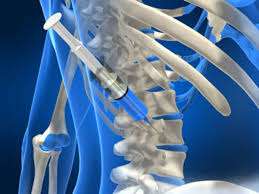
Anesthesia complications are rare but can occur. Understanding what these might entail can ease apprehension surrounding anesthesia administered during surgical interventions by highlighting preventive measures taken before procedures commence effectively addressing potential risks involved along these lines over time .
- Types of Risks: Potential complications may range from mild allergic reactions through adverse responses affecting cardiovascular systems requiring attentive monitoring before inducing full anesthetics relevantly permeating individual clinical pathways hence ensuring smooth transitions across different stages throughout routine practices .
- Signs Identified Early: Patients must communicate any pre-existing conditions sensitively; identification facilitates tailoring anesthetic selections mitigating unforeseen consequences alike ensuring comprehensive preparations support individualized care plans .
- Preventive Strategies Implemented: A meticulous review paired with interventions aimed at minimizing complications bolsters patient security creating trust towards healthcare personnel overseeing detailed preparations while fostering optimal outcomes collaboratively aiming preventive methodologies across procedural landscapes here .
The goal remains delivering safe experiences enhancing surgical potentials thereby cultivating environments conducive toward successful recoveries exceeding normal capacities observed within existing frameworks operationally pursued today by professionals everywhere alike striving collectively towards advancements made steadily redefining future engagements collaboratively moving forward together enhancing meaningful initiatives sought universally whilst maintaining high standards upheld consistently ensuring patient-centric approaches thrive beautifully .
ANESTHESIA FOR OBSTETRICS

Anesthesia plays a pivotal role in obstetric care, particularly during labor and delivery processes. Its goal is to ensure maternal comfort while maintaining safety throughout childbirth experiences.
- Application Areas: Various analgesic options exist such as epidurals providing extensive relief without losing consciousness or alternative methods suitable per maternal preferences.
- Before Administration: Discussions regarding available choices alongside assessments considering underlying health factors facilitate informed decisions regarding techniques employed prior delivery.
- Performance Protocols: Close monitoring by an anesthesiology team ensures maternal-fetal safety—a parameter key during any administration within obstetric contexts
- Expected Effects: Epidural usage typically results in significant pain reduction coupled with limited mobility; understanding how long relief lasts empowers mothers leading up to childbirth processes.
A collaborative approach enhances comfort while ensuring positive outcomes throughout one’s birthing journey geared towards nurturing practices embraced widely among expectant mothers today.
PAIN MANAGEMENT

Pain management is a critical aspect of healthcare focused on alleviating persistent pain caused by chronic conditions like arthritis or post-surgical recovery to improve quality of life significantly.
- Diverse Conditions Covered: Chronic pain syndromes can arise from diverse sources including nerve damage, inflammation, or injury leading to conditions requiring specialized care strategies.
- Differentiated Diagnosis: Pain assessments involve comprehensive reviews which may necessitate diagnostic imaging studies to formulate targeted treatment plans effectively based on individual presentations.
- Treatment Techniques Available: Options range from medication regimens (including opioids if warranted) to interventional techniques aimed at providing long-term relief through nerve blocks or physical therapy referrals when indicated.
- Coping Mechanisms Post-Diagnosis: Adopting lifestyle changes complemented by ongoing therapeutic interventions cultivates a proactive approach towards managing pain effectively over time.
REGIONAL ANESTHESIA

Regional anesthesia involves blocking sensations in a specific area of the body, making it an advantageous option for certain surgeries and pain management scenarios without affecting consciousness.
- Indications: It’s often used in limb surgeries or childbirth, where localized numbing is sufficient without full-body anesthesia effects.
- Assessment Strategies: Prior evaluations include reviewing patient health history and possible risk factors related to regional techniques such as nerve blocks or spinal taps.
- Anesthetic Techniques: Various methods exist—such as epidural and spinal block—that target different nerves or regions depending on surgical requirements.
- Post-Procedure Care: Patients typically experience numbness that will gradually wear off; effective pain management plans are crucial post-surgery when this wears off.
The targeted nature of regional anesthesia can significantly enhance postoperative recovery by minimizing systemic effects associated with general anesthesia.
SEDATION FOR PROCEDURES

Sedation is a practice used to help patients relax during various medical procedures. It's especially beneficial in procedures that would otherwise cause discomfort or anxiety.
- Common Indicators: Fear of needles or dental work can prompt sedation use. It's also helpful for individuals with difficulty remaining still during procedures.
- Evaluation Process: A thorough review of medical history and potential allergies ensures appropriate sedation types are selected prior to any procedure.
- Methods of Sedation: Depending on patient needs, options include minimal sedation (anxiolytics) or deeper sedation levels tailored for more invasive procedures.
- Recovery Expectations: Afterward, patients may feel drowsy but usually recover quickly after a brief monitoring period in a comfortable environment.
This approach aims to enhance patient comfort while allowing effective completion of necessary medical tasks.
GENERAL ANESTHESIA

General anesthesia is a medically induced state that allows patients to undergo surgery and other procedures without pain or awareness. It is essential for various surgeries where unconsciousness is necessary for patient safety and comfort.
- Symptoms/Conditions: Patients undergoing procedures requiring general anesthesia may present with anxiety about the surgery, unfamiliarity with the process, or specific health conditions that complicate anesthesia.
- Diagnosis: Preoperative assessments are conducted through medical history evaluations, physical examinations, and potentially additional tests like blood work or imaging to tailor the anesthesia plan.
- Treatment/Management Options: The anesthetic agents utilized can vary based on the patient's health and the procedure type. Continuous monitoring during surgery ensures patient safety.
- What to Expect: After administration, patients typically do not recall anything during the surgery. Recovery time varies, but most feel groggy yet safe afterward.
Understanding your anesthetic options helps alleviate concerns about undergoing surgery effectively and safely.