
Dr Amit Sharma
About Me
Dr Amit Sharma
Cardiologist
Biography
My Clinic
OPD Hours
| Tuesday | Morning | 10:00 AM | - | 02:00 PM |
| Evening | 06:00 PM | - | 09:00 PM | |
| Wednesday | Morning | 10:00 AM | - | 02:00 PM |
| Evening | 06:00 PM | - | 09:00 PM | |
| Thursday | Morning | 10:00 AM | - | 02:00 PM |
| Evening | 06:00 PM | - | 09:00 PM | |
| Friday | Morning | 10:00 AM | - | 02:00 PM |
| Evening | 06:00 PM | - | 09:00 PM | |
| Saturday | Morning | 10:00 AM | - | 02:00 PM |
| Evening | 06:00 PM | - | 09:00 PM | |
| Sunday | Morning | 10:00 AM | - | 02:00 PM |
| Evening | 06:00 PM | - | 09:00 PM | |
| Thursday | Morning | 10:00 AM | - | 02:00 PM |
| Evening | 06:00 PM | - | 09:00 PM |
Treatments
Specialised care and treatments offered
ENDOVENOUS LASER THERAPY (EVLT)

This minimally invasive procedure treats varicose veins using laser energy delivered directly through a thin fiber optic catheter inserted into affected veins. It offers patients a highly effective alternative for alleviating discomfort related to venous insufficiency while minimizing recovery time!
- Sufferers may report symptoms like aching legs, swelling around veins, skin discoloration due poor circulation stemming from faulty vein valves; these are common indicators prompting EVLT consideration!
- < strong Diagnosis could involve duplex ultrasound scanning evaluating vein status confirming necessity along with treatment plan formulation!
Your doctor ensures complete transparency about all steps leading up until completion resulting long-lasting positive outcomes enhancing both appearance & comfort significantly.
ATHERECTOMY
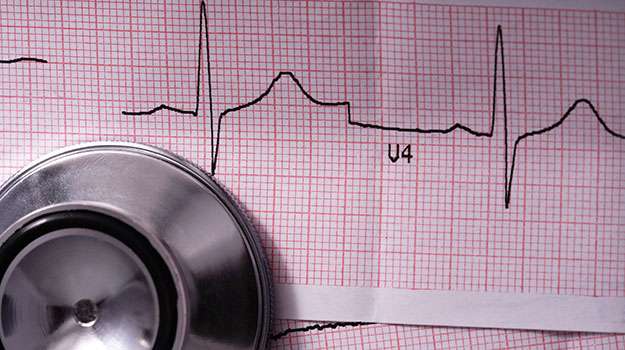
Atherectomy is a catheter-based technique used to remove plaque buildup from arterial walls in order to restore unobstructed blood flow, particularly within coronary arteries affected by atherosclerosis.
- This condition often presents with symptoms such as chest discomfort during exertion or angina caused by restricted blood circulation due to plaque accumulation.
- An angiogram serves as an essential diagnostic tool revealing plaque locations that indicate candidacy for atherectomy treatment options available today are rotational atherectomy or directional atherectomy depending on plaque composition and location..
- During this procedure under local anesthesia, specialized catheters are employed eliminating excess materials without damaging surrounding tissue ensuring safety .
- Recovery usually entails minimal downtime allowing patients resume normal activities relatively quickly .
Atherectomy remains an innovative choice among cardiologists when addressing difficult-to-treat lesions leading toward overall better cardiac health .
PACEMAKER IMPLANTATION
A pacemaker is a small device implanted under the skin to regulate abnormal heart rhythms. It sends electrical impulses to stimulate the heart muscle when necessary, ensuring proper functioning of your cardiovascular system.
- Common symptoms that may necessitate pacemaker implantation include dizziness, fainting spells, or fatigue caused by arrhythmias.
- The diagnosis includes recording an ECG (electrocardiogram) to evaluate electrical activity in your heart over time before considering implantation.
- The pacemaker is placed under local anesthesia through a minor surgical procedure involving leads inserted into your heart muscles.
- Post-implantation care will involve monitoring your heart rhythm regularly; adjustments may be made remotely if needed.
- Patients generally return to their normal activities after recovery with routine checks showing significant improvements.
As a reliable solution for managing arrhythmias effectively, pacemakers have transformed countless lives.
HEART VALVE SURGERY
This type of surgery addresses problems with any of the four heart valves: aortic, mitral, pulmonary, or tricuspid. Proper valve function is critical for effective circulation throughout the body
- Patients may experience symptoms like fatigue, irregular heartbeat, shortness of breath, or swelling in legs and abdomen due to valve dysfunction.
- A healthcare provider typically conducts an echocardiogram to assess valve structure and function before deciding on surgery.
- Surgical options include valve repair or replacement with either mechanical or biological valves based on individual patient conditions.
- The procedure usually requires a hospital stay followed by careful monitoring during recovery.
- Nutritional guidance and regular follow-up appointments are vital in managing ongoing health after surgery.
This surgical intervention significantly improves quality of life and reduces complications associated with valve diseases.
CORONARY ARTERY BYPASS GRAFTING (CABG)
This surgical procedure aims to improve blood flow to the heart by bypassing blocked arteries. It’s often recommended for patients with severe coronary artery disease when less invasive options are ineffective.
- The main symptoms indicating CABG include severe chest pain and reduced heart function due to compromised blood supply.
- A thorough evaluation using cardiac catheterization helps confirm the need for bypass surgery.
- The procedure involves taking a blood vessel from another part of the body and grafting it onto the blocked coronary arteries.
- Recovery can take several weeks; patients usually see significant improvement in their symptoms post-surgery.
- A comprehensive rehabilitation program may be recommended to enhance recovery and prevent future heart issues.
CABG is considered one of the most effective treatments for serious blockages in coronary arteries.
ANGIOPLASTY
Angioplasty is a minimally invasive procedure that opens narrowed or blocked blood vessels in the heart. This technique is essential for restoring blood flow, ensuring that the heart receives enough oxygen and nutrients.
- Symptoms of coronary artery disease may include chest pain, shortness of breath, and fatigue during physical activities.
- Diagnosis often involves imaging tests such as an angiogram, which visualizes blockages in the coronary arteries.
- Treatment involves inserting a small balloon into the artery, which is inflated to widen it. A stent may also be placed to keep the artery open.
- Post-procedure, patients typically experience relief from symptoms and improved quality of life.
- A follow-up care plan including lifestyle changes and medication management is crucial for long-term success.
Overall, angioplasty is a safe and effective option for many patients suffering from coronary heart conditions.