
Dr Amit Sharma
About Me
Dr Amit Sharma
MS
Orthopaedic Surgeons
10 Years Experience
Biography
My Clinic
OPD Hours
| Monday | Morning | 10:00 AM | - | 02:00 PM |
| Evening | 06:00 PM | - | 09:00 PM | |
| Tuesday | Morning | 10:00 AM | - | 02:00 PM |
| Evening | 06:00 PM | - | 09:00 PM | |
| Wednesday | Morning | 10:00 AM | - | 02:00 PM |
| Evening | 06:00 PM | - | 09:00 PM | |
| Thursday | Morning | 10:00 AM | - | 02:00 PM |
| Evening | 06:00 PM | - | 09:00 PM | |
| Friday | Morning | 10:00 AM | - | 02:00 PM |
| Evening | 06:00 PM | - | 09:00 PM | |
| Saturday | Morning | 10:00 AM | - | 02:00 PM |
| Evening | 06:00 PM | - | 09:00 PM | |
| Sunday | Morning | 10:00 AM | - | 02:00 PM |
| Evening | 06:00 PM | - | 09:00 PM |
Treatments
Specialised care and treatments offered
ANKLE FRACTURE SURGERY
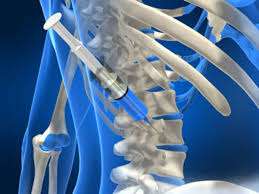
Ankle fracture surgery aims at addressing broken bones around the ankle joint commonly caused by falls or sports injuries. The goal is to restore normal alignment and stability through surgical intervention when non-surgical methods are insufficient for healing properly after an injury occurs.
- Symptoms often consist of immediate swelling along with inability to bear weight on the affected foot accompanied by noticeable deformity if dislocation occurs too!
- Diagnostic measures including x-rays ensure precise identification alongside assessment evaluations conducted thereafter properly evaluating ligament status as well too! Here assessment ensures no complications arise due there's awareness following limitations etc!
- Treatments encompass surgical fixation employing plates/ screws assisting realignment ensuring proper healing occurs allowing load-bearing functions gradually return once healed adequately post-op sessions commence afterwards.
Corrective actions enable stable joints improving life quality immensely moving forward afterward enabling patients resume active lifestyles they enjoy comfortably thereafter safely again too!.
HIP RESURFACING
This is a bone-conserving surgical option for patients experiencing hip arthritis. It involves reshaping existing bone rather than removing it completely before placing a prosthesis over it. This approach preserves much of the hip's natural anatomy while relieving symptoms associated with arthritis-related degeneration.
- Typical symptoms might involve hip pain during movement, stiffness, or a decreased range of motion affecting daily activities significantly.
- A complete assessment may include both clinical evaluations and advanced imaging techniques such as CT scans or MRIs to confirm diagnosis before proceeding with surgery.
- Surgical treatment enables effective restoration of mobility while minimizing recovery time compared to traditional total hip replacement methods which require more extensive tissue removal.
The primary aim is not only symptom relief but also returning patients quickly back to their active lifestyles post-procedure!
SPINAL FUSION

Spinal fusion is a surgical technique aimed at correcting problems with vertebrae in the spine. This treatment helps alleviate pain caused by conditions such as degenerative disc disease or spinal instability by fusing two or more vertebrae together.
- [Key symptoms] include chronic back pain that radiates into limbs or loss of strength in the lower extremities.
- A thorough diagnostic process would include advanced imaging like MRI scans along with physical assessments.
- This approach may involve using bone grafts along with metal hardware to achieve stability within the spine post-surgery.
- The recovery phase includes gradual rehabilitation exercises under professional supervision for optimal results over time.
This procedure can significantly improve functionality while reducing discomfort associated with spinal issues over time.
ROTATOR CUFF SURGERY

This surgical procedure addresses injuries related to the rotator cuff, which consists of muscles and tendons that stabilize the shoulder. Tears can lead to debilitating pain and limited range of motion.
- Main symptoms include shoulder pain that worsens at night, stiffness, and weakness when lifting objects.
- A detailed diagnosis typically includes physical examinations along with imaging techniques like MRI to visualize the extent of damage.
- Treatment may involve repairing tears surgically or using minimally invasive techniques to enhance recovery time while restoring shoulder function.
- Patients can expect varying recovery timelines based on injury severity; adherence to rehabilitation programs significantly impacts outcomes.
Surgical intervention often leads to substantial improvements in both function and quality of life for affected individuals.
TOTAL KNEE REPLACEMENT

Total knee replacement is a surgical procedure designed for patients suffering from severe knee arthritis or injury. During this operation, damaged cartilage and bone are removed and replaced with artificial components.
- Common symptoms include intense pain, reduced mobility, and stiffness that limits daily activities.
- A comprehensive diagnosis often includes physical exams, patient history reviews, and imaging tests such as X-rays or MRIs.
- Treatment involves removal of the affected part of the knee joint followed by implantation of prosthetic devices which help restore function.
- Post-surgery care is crucial; physical therapy assists in regaining strength and flexibility over time.
The outcome generally results in significant pain relief and improved quality of life for many patients.
ARTHROSCOPY

Arthroscopy is a minimally invasive surgical procedure used to diagnose and treat various joint issues. It involves inserting a small camera, known as an arthroscope, into the joint through tiny incisions.
- Symptoms may include persistent joint pain, swelling, and difficulty in movement.
- Diagnosis is typically confirmed through imaging studies such as X-rays or MRIs, along with the arthroscopic examination.
- Treatment options can range from cleaning out debris to repairing torn ligaments or cartilage during the procedure.
- Patients can usually expect minimal recovery time and reduced postoperative pain compared to open surgery.
This technique not only aids in faster recovery but also leaves minimal scarring.