
Dr Amit Soni
About Me
Dr Amit Soni
MBBS
General Physician
Biography
My Clinic
OPD Hours
| Monday | Morning | 10:00 AM | - | 02:00 PM |
| Evening | 06:00 PM | - | 09:00 PM | |
| Tuesday | Morning | 10:00 AM | - | 02:00 PM |
| Evening | 06:00 PM | - | 09:00 PM | |
| Wednesday | Morning | 10:00 AM | - | 02:00 PM |
| Evening | 06:00 PM | - | 09:00 PM | |
| Thursday | Morning | 10:00 AM | - | 02:00 PM |
| Evening | 06:00 PM | - | 09:00 PM | |
| Friday | Morning | 10:00 AM | - | 02:00 PM |
| Evening | 06:00 PM | - | 09:00 PM | |
| Saturday | Morning | 10:00 AM | - | 02:00 PM |
| Evening | 06:00 PM | - | 09:00 PM | |
| Sunday | Morning | 10:00 AM | - | 02:00 PM |
| Evening | 06:00 PM | - | 09:00 PM |
Treatments
Specialised care and treatments offered
THYROID FUNCTION TESTS

A thyroid function test evaluates how well the thyroid gland is operating by measuring hormone levels in the bloodstream. This assessment aids in diagnosing various thyroid disorders that could impact overall health.
- Symptoms: Signs such as weight changes , fatigue , temperature sensitivity , hair loss , or mood fluctuations may suggest potential thyroid dysfunction .
- Causes: Conditions affecting thyroid function may include autoimmune diseases (like Hashimoto's), iodine deficiency , tumors , or inflammation .
- Diagnosis: Blood tests measuring TSH (Thyroid Stimulating Hormone) alongside T3/T4 hormone levels facilitate accurate diagnosis pertaining to hypothyroidism or hyperthyroidism conditions .
- Treatment: Treatment ranges from medication that adjusts hormone levels to lifestyle alterations aimed at supporting thyroid function naturally depending upon specific diagnoses .
- What to Expect: Follow-up testing may be necessary post-diagnosis for monitoring effectiveness of any prescribed treatments ensuring stable hormonal balance achieved over time .
The comprehensive evaluation ensures timely identification helping patients maintain optimal energy levels while managing possible symptoms linked with thyroid dysfunction effectively.
ANEMIA EVALUATION
Anemia is a condition characterized by a deficiency in red blood cells or hemoglobin levels resulting in reduced oxygen flow to body's tissues. Evaluating anemia is crucial for understanding its underlying causes and appropriate treatment strategies.
- Symptoms: Fatigue , weakness , pale skin , and shortness of breath are common signs indicating potential anemia .
- Causes: Potential causes vary widely including nutritional deficiencies (like iron), chronic diseases , genetic conditions , or internal bleeding .
- Diagnosis: A complete blood count (CBC) test is typically conducted alongside additional tests depending on suspected cause which aids healthcare professionals in diagnosing anemia accurately .
- Treatment: Treatment methods often involve dietary recommendations , supplements (e.g., iron or vitamin B12), or managing any underlying health issues .
- What to Expect: Patients experiencing anemia should anticipate regular follow-ups for monitoring blood levels until satisfactory recovery occurs .
Timely evaluation ensures that any form of anemia receives adequate care leading towards better health outcomes.
RESPIRATORY INFECTIONS
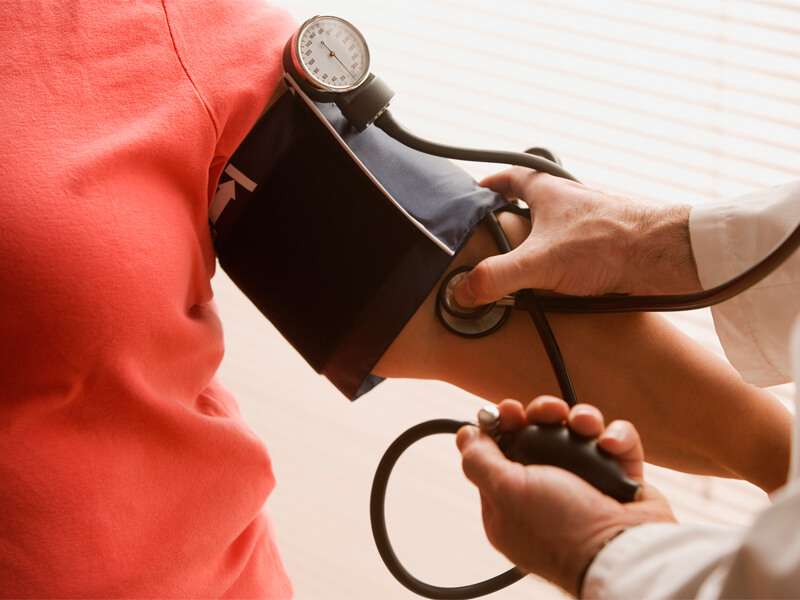
Respiratory infections encompass a range of illnesses affecting the airways and lungs. Understanding their causes and treatments can aid in quicker recovery.
- Symptoms: Coughing, fever, sore throat, nasal congestion, fatigue are common indicators of respiratory infections like colds or flu.
- Causes: These infections can be viral or bacterial in origin; they often spread through droplets from coughs or sneezes from infected individuals.
- Diagnosis: Physical examination along with patient history aids in diagnosing respiratory infections. Additional tests like chest X-rays or sputum cultures may be performed if necessary.
- Treatment: Most mild cases resolve with rest and hydration; however, antibiotics may be required for bacterial infections. Over-the-counter medications can alleviate symptoms as well.
DIABETES SCREENING

Diabetes screening is an essential preventive measure aimed at identifying individuals at risk of diabetes early on. Early detection allows for timely intervention and management.
- Symptoms: Symptoms may include increased thirst, frequent urination, fatigue, and blurred vision; however, many affected individuals show no signs initially.
- Causes: Risk factors involve obesity, sedentary lifestyle, age over 45 years old, family history of diabetes, and certain ethnic backgrounds.
- Diagnosis: Testing typically involves fasting blood glucose levels or an A1C test to evaluate average blood sugar over time. These tests help in determining if further action is needed.
- Treatment: If diagnosed with prediabetes or diabetes, treatment recommendations will focus on lifestyle changes such as diet modification and regular exercise. Medication might also be prescribed as necessary.
- What to Expect: Regular follow-up appointments will help monitor blood sugar levels and overall health progress after diagnosis.
The sooner diabetes is detected, the more effectively it can be managed through lifestyle adjustments and medical interventions.
HYPERTENSION
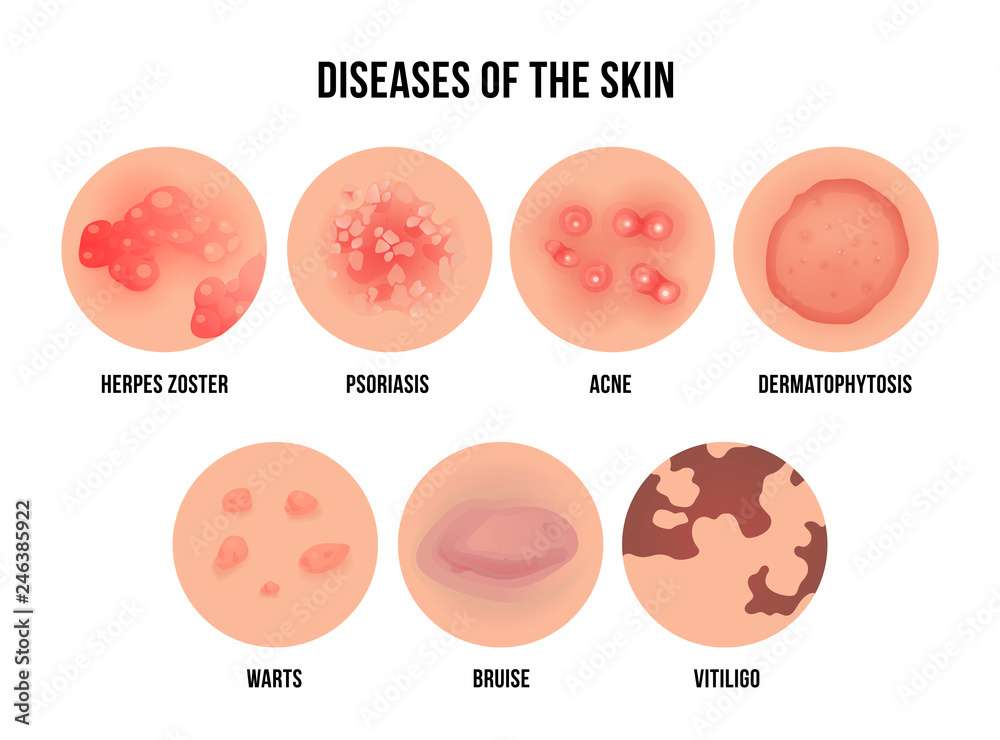
Hypertension, commonly known as high blood pressure, is a serious condition that can lead to various health complications. Understanding this condition is vital for effective management and prevention.
- Symptoms: Often referred to as a 'silent killer', hypertension may present with headaches, shortness of breath, or nosebleeds, but many individuals experience no symptoms at all.
- Causes: Factors contributing to hypertension include poor diet, lack of physical activity, obesity, genetics, and excessive alcohol consumption.
- Diagnosis: Blood pressure readings are taken using a sphygmomanometer during routine check-ups. Multiple readings are required for accurate diagnosis.
- Treatment: Management options may include lifestyle modifications such as dietary changes and increased physical activity, along with medications when necessary.
- What to Expect: Regular monitoring of blood pressure is essential. Following a treatment plan can significantly lower health risks associated with elevated blood pressure.
Effective management of hypertension can improve overall health and reduce the risk of heart disease and stroke.