
Dr Amit Tiwari Sk
About Me
Dr Amit Tiwari Sk
Dermatologist
Biography
My Clinic
OPD Hours
| Monday | Morning | 10:00 AM | - | 02:00 PM |
| Evening | 06:00 PM | - | 09:00 PM | |
| Tuesday | Morning | 10:00 AM | - | 02:00 PM |
| Evening | 06:00 PM | - | 09:00 PM | |
| Wednesday | Morning | 10:00 AM | - | 02:00 PM |
| Evening | 06:00 PM | - | 09:00 PM | |
| Thursday | Morning | 10:00 AM | - | 02:00 PM |
| Evening | 06:00 PM | - | 09:00 PM | |
| Friday | Morning | 10:00 AM | - | 02:00 PM |
| Evening | 06:00 PM | - | 09:00 PM | |
| Saturday | Morning | 10:00 AM | - | 02:00 PM |
| Evening | 06:00 PM | - | 09:00 PM | |
| Sunday | Morning | 10:00 AM | - | 02:00 PM |
| Evening | 06:00 PM | - | 09:00 PM |
Treatments
Specialised care and treatments offered
DERMATOLOGIC SURGERY
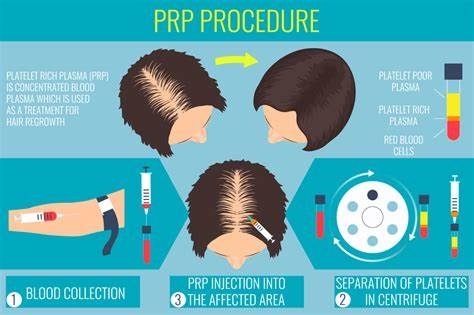
This encompasses various surgical procedures undertaken specifically for diagnosing and treating skin-related issues such as cysts, tumors, or troublesome moles. Dermatologic surgery aims to provide both therapeutic benefits as well as potentially desirable aesthetic results whenever applicable.
- Symptoms/Causes : Patients seeking dermatologic surgery may present with abnormal growths causing cosmetic concern – often linked directly back towards genetics environmental influences.
- < span style=" font-weight : bold ; "> Diagnosis : Determining whether surgical intervention is necessary often follows biopsy confirmation regarding nature malignancy associated implications attached finding respective lesions.
- < span style=" font-weight : bold ; "> Treatment/Management : Surgical options include excisions for removal such entities ensuring comprehensive evaluation plus follow up care prevention recurrence issues preventing further complications down road ahead!
- < span style=" font-weight : bold ; "> What To Expect : A variety approaches allow tailoring treatments based upon individual needs resulting shorter recovery times yielding favorable outcomes!
Overall this branch of medicine provides excellent opportunities facilitate clear healthier complexions empowering individuals feel comfortable looking their best all year through.
SCLEROTHERAPY
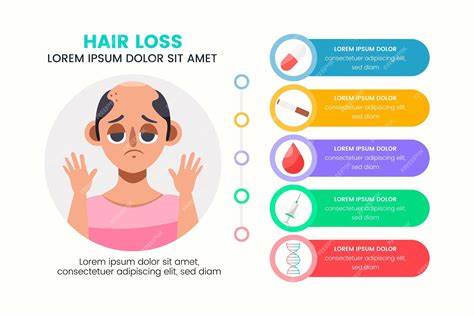
Sclerotherapy is a minimally invasive procedure primarily used for treating spider veins and varicose veins. The technique involves injecting a sclerosing agent directly into affected veins causing them to collapse and fade over time
.- Symptoms/Causes : Many patients present with visible veins that cause discomfort or aesthetic concerns; these might also be accompanied by aching sensations in the legs during prolonged sitting or standing periods.
- Diagnosis : A consultation with a specialist evaluates vein health through physical examination along with possible ultrasound verification of larger veins.
- Treatment/Management : The sclerosant works by irritating vessel walls leading them toward closure.
- What to Expect : Post-procedure bruising could occur at injection sites yet generally resolves quickly enabling return back-to-normal activities soon after therapy completion.
With high satisfaction rates among patients experiencing improved venous appearance post-treatment results often last long-term if combined with healthy lifestyle choices in managing risk factors!
CHEMICAL PEELS
Chemical peels are cosmetic techniques that involve applying a chemical solution to exfoliate the outer layers of the skin. This treatment improves various skin concerns such as acne scars, sun damage, and hyperpigmentation while revitalizing overall appearance.
- Symptoms/Causes: Common issues treated include rough texture, blemishes, and uneven color due to sun exposure or aging.
- Diagnosis: A dermatologist assesses the patient's skin condition before recommending specific peel formulations based on their needs.
- Treatment/Management: Different chemical agents (e.g., glycolic acid or phenol) are used according to the depth of exfoliation desired—light, medium, or deep peels available.
- What to Expect: Post-treatment effects vary from mild redness to peeling over several days depending on peel strength; results appear gradual yet significant over time.
Chemical peels provide noticeable improvements in texture and tone when performed correctly under professional supervision.
CRYOTHERAPY
Cryotherapy involves the application of extreme cold to treat various dermatological conditions. This method is especially useful for warts, moles, and precancerous lesions, effectively destroying abnormal tissues without significant harm to surrounding areas.
- Symptoms/Causes: Patients often seek cryotherapy for raised spots or lesions on the skin that are bothersome or unsightly.
- Diagnosis: A visual inspection by a dermatologist can determine if cryotherapy is appropriate based on lesion characteristics.
- Treatment/Management: Liquid nitrogen is commonly used in cryotherapy sessions, freezing the targeted area almost instantly.
- What to Expect: After treatment, patients may observe localized swelling or blistering which usually resolves within days.
This minimally invasive option allows effective treatment with little recovery time required afterward.
LASER RESURFACING
This advanced treatment utilizes focused beams of light to improve skin appearance by reducing wrinkles, acne scars, and other skin irregularities. Laser resurfacing can enhance skin texture significantly through precision targeting of problem areas.
- Symptoms/Causes: Common concerns include aging signs like fine lines and uneven pigmentation.
- Diagnosis: A thorough evaluation of the patient's skin type and concerns aids in determining candidacy for the procedure.
- Treatment/Management: Various types of lasers may be employed depending on individual needs, including ablative and non-ablative options.
- What to Expect: Recovery varies; some patients experience redness or swelling but can return to routine activities relatively quickly.
The results can lead to healthier, younger-looking skin with continued improvement over time as healing progresses.
MOHS MICROGRAPHIC SURGERY
This surgical technique is primarily used to treat skin cancers, offering a high cure rate while preserving healthy tissue. Mohs surgery is particularly effective for basal cell carcinoma and squamous cell carcinoma, where precise removal of cancerous cells is critical.
- Symptoms/Causes: Patients may notice non-healing lesions or unusual growths on the skin.
- Diagnosis: Diagnosis typically involves a physical examination and possibly a biopsy to confirm cancer presence.
- Treatment/Management: The procedure involves removing cancerous skin layer by layer and examining each layer microscopically for cancer cells.
- What to Expect: Patients experience minimal downtime, and local anesthesia is used during the procedure, allowing for quick recovery.
Mohs surgery not only effectively removes cancer but also minimizes recurrence risks and optimizes cosmetic outcomes.