
Dr Amit Vora
About Me
Dr Amit Vora
General Physician
Biography
My Clinic
OPD Hours
| Tuesday | Morning | 10:00 AM | - | 02:00 PM |
| Evening | 06:00 PM | - | 09:00 PM | |
| Wednesday | Morning | 10:00 AM | - | 02:00 PM |
| Evening | 06:00 PM | - | 09:00 PM | |
| Thursday | Morning | 10:00 AM | - | 02:00 PM |
| Evening | 06:00 PM | - | 09:00 PM | |
| Friday | Morning | 10:00 AM | - | 02:00 PM |
| Evening | 06:00 PM | - | 09:00 PM | |
| Saturday | Morning | 10:00 AM | - | 02:00 PM |
| Evening | 06:00 PM | - | 09:00 PM | |
| Sunday | Morning | 10:00 AM | - | 02:00 PM |
| Evening | 06:00 PM | - | 09:00 PM | |
| Thursday | Morning | 10:00 AM | - | 02:00 PM |
| Evening | 06:00 PM | - | 09:00 PM |
Treatments
Specialised care and treatments offered
STRESS MANAGEMENT
Coping strategies for stress are vital in maintaining mental well-being. Chronic stress can lead to various physical ailments if left unchecked; hence effective management techniques should be employed promptly!
- Symptoms: Frequent headaches, sleep disturbances appear frequently when experiencing high-stress situations.
- Causes:The fast pace of modern life combined with personal demands contributes significantly toward escalating stress levels.
- Diagnosis:A thorough discussion around triggers during consultative appointments aids healthcare providers' evaluations regarding stress impact on daily life performance.
- Treatment options:An array including mindfulness exercises alongside practical time management points are available promoting effective coping mechanisms.
- The outcome :A stronger grasp over one's emotions emerges post employing proper coping techniques leading decreased anxiety experiences while improving social interactions.
< em>Investing time into understanding personal stressors cultivates resilience fostering happier daily living experiences.
NUTRITIONAL COUNSELING

Nutritional counseling involves creating personalized eating plans aimed at fostering overall health improvement. It is especially critical for preventing chronic diseases related to poor dietary habits.
- Symptoms : Lack of energy/poor concentration often signals the need for improved nutrition rather than just caloric intake.
- Causes : A fast-paced lifestyle with easy access to processed foods greatly influences dietary choices adversely affecting health.
- Diagnosis : Through assessments that evaluate dietary patterns along with health metrics like BMI offer insights into nutritional needs.
- Treatment options : Tailored meal plans focusing on whole grains, fruits & vegetables help encourage healthier eating habits without restrictive dieting.
- What to expect : Commencing nutritional counseling leads patients towards long-term changes resulting in enhanced energy levels & better overall wellbeing.
Embracing balanced nutrition positively impacts both mental clarity & physical vitality over time.
RESPIRATORY HEALTH MANAGEMENT

Caring for respiratory health is essential for overall wellness. Conditions like asthma or chronic bronchitis require proactive management strategies tailored towards individual needs.
- Symptoms: Symptoms may include shortness of breath, wheezing, chronic coughs or increased mucus production depending on the underlying condition.
- Causes: Environmental factors like smoking or allergens significantly influence respiratory health conditions’ onset or exacerbation rates.
- Diagnosis: Healthcare providers evaluate symptoms through medical history assessments along with lung function tests for accurate diagnosis.
- Treatment options: Management often involves avoiding triggers, using inhalers or medications alongside pulmonary rehabilitation exercises tailored to improve lung function.
A proactive approach towards respiratory issues enhances quality of life while minimizing complications associated with these conditions.
CHOLESTEROL MANAGEMENT
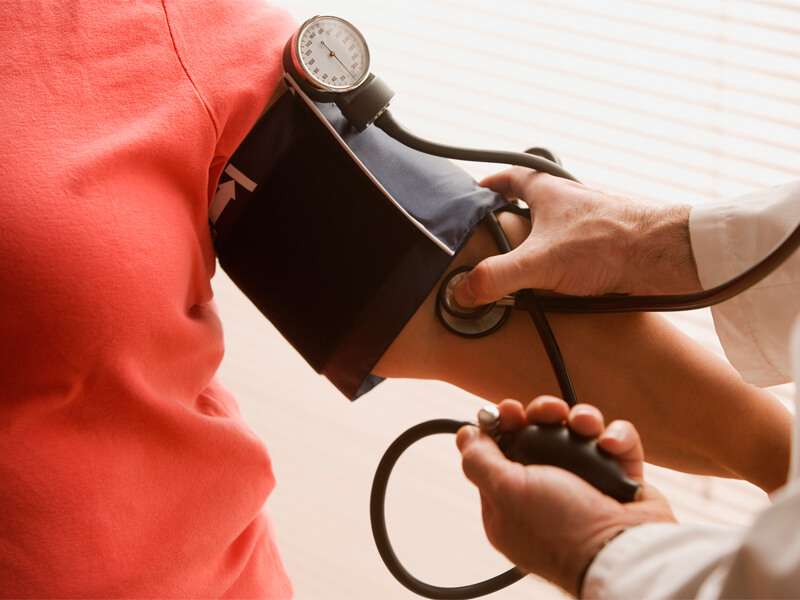
High cholesterol can increase the risk of heart disease and stroke if not adequately addressed. Understanding cholesterol levels is integral for preventive health care.
- Symptoms: High cholesterol typically presents no symptoms; thus, it's vital to have regular screenings done by healthcare professionals.
- Causes: Factors such as unhealthy eating patterns, lack of physical activity, and genetic predisposition may lead to elevated cholesterol levels.
- Diagnosis: A simple blood test measures total cholesterol as well as HDL (good) and LDL (bad) cholesterol levels for an accurate assessment.
- Treatment options: Dietary improvements such as reducing saturated fats alongside increased exercise often suffice; medications may be prescribed when necessary.
- What to expect: With sustained lifestyle alterations and monitoring, individuals can achieve better cholesterol levels over time.
Lifestyle changes play a significant role in maintaining healthy cholesterol levels to promote heart health.
DIABETES MANAGEMENT

Diabetes is a chronic condition that affects how your body processes glucose. Managing diabetes involves lifestyle changes alongside regular medical evaluations to maintain optimal blood sugar levels.
- Symptoms: Common signs include excessive thirst, frequent urination, fatigue, and blurred vision.
- Causes: Genetics, obesity, and sedentary behavior are prominent risk factors contributing to the onset of diabetes.
- Diagnosis: Blood tests help determine glucose levels and diagnose the type of diabetes present.
- Treatment options: Managing diabetes often includes dietary changes, increased physical activity, and possibly insulin therapy or oral medications.
- What to expect: With appropriate management strategies in place, individuals with diabetes can lead healthy lives and prevent complications.
An ongoing commitment to healthy habits plays a vital role in managing diabetes effectively.
HYPERTENSION MANAGEMENT
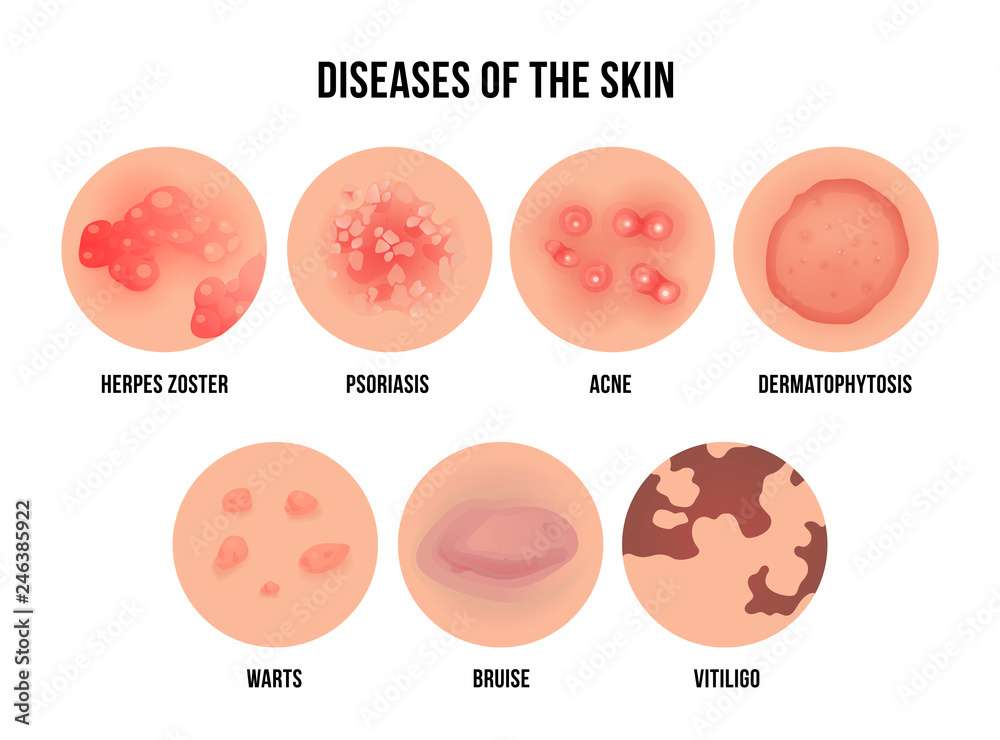
Hypertension, commonly known as high blood pressure, is a condition that can lead to serious health issues if left unmanaged. Lifestyle modifications are pivotal in controlling this condition.
- Symptoms: Often referred to as the 'silent killer,' many individuals may not experience noticeable symptoms until significant damage has occurred.
- Causes: Factors such as poor diet, physical inactivity, and stress can contribute to elevated blood pressure.
- Diagnosis: Regular monitoring of blood pressure levels through clinical checks is essential for identifying hypertension.
- Treatment options: A combination of dietary changes, regular exercise, and medication, when necessary, forms the basis of effective management.
- What to expect: With timely intervention and lifestyle adjustments, individuals can lower their blood pressure and reduce their risk of complications.
Adopting a healthier lifestyle is crucial in managing hypertension effectively and safeguarding overall health.