
Dr Amita Kashyap
About Me
Dr Amita Kashyap
MBBS
General Physician
10 Years Experience
Biography
My Clinic
OPD Hours
| Monday | Morning | 10:00 AM | - | 02:00 PM |
| Evening | 06:00 PM | - | 09:00 PM | |
| Tuesday | Morning | 10:00 AM | - | 02:00 PM |
| Evening | 06:00 PM | - | 09:00 PM | |
| Wednesday | Morning | 10:00 AM | - | 02:00 PM |
| Evening | 06:00 PM | - | 09:00 PM | |
| Thursday | Morning | 10:00 AM | - | 02:00 PM |
| Evening | 06:00 PM | - | 09:00 PM | |
| Friday | Morning | 10:00 AM | - | 02:00 PM |
| Evening | 06:00 PM | - | 09:00 PM | |
| Saturday | Morning | 10:00 AM | - | 02:00 PM |
| Evening | 06:00 PM | - | 09:00 PM | |
| Sunday | Morning | 10:00 AM | - | 02:00 PM |
| Evening | 06:00 PM | - | 09:00 PM |
Treatments
Specialised care and treatments offered
GASTROINTESTINAL DISORDERS CARE
Gastrointestinal disorders affect various parts of your digestive system. Common issues range from acid reflux to irritable bowel syndrome (IBS), significantly impacting quality of life if left untreated.
- Symptoms: Symptoms vary but may include abdominal pain, bloating, constipation or diarrhea related issues. PATIENT EDUCATION about GI disorders
Starting symptoms: Abdominal pain.
Bloating:
Heartburn (acid reflux):
Nausea:
Constipation:
RESPIRATORY INFECTIONS TREATMENT
Respiratory infections encompass a variety of conditions affecting the airways and lungs. Common examples include bronchitis and pneumonia. Early intervention can prevent complications and promote healing.
- Symptoms: Typical signs include cough, fever, chest discomfort, and difficulty breathing.
- Causes: These infections can stem from viruses or bacteria; smoking or exposure to pollutants can also heighten risk factors.
- Diagnosis: Healthcare providers may use chest X-rays or sputum tests to identify the type of infection present.
- Treatment: Depending on the cause, treatment options may range from rest and fluids to antibiotics for bacterial infections.
- What to Expect: Improvement usually occurs within days with appropriate treatment; however, full recovery might take longer in severe cases.
A prompt response to respiratory infections reduces risks associated with prolonged illness and ensures faster recovery times.
DIABETES MANAGEMENT

Diabetes is a chronic condition that affects how your body processes glucose (sugar). There are two main types: Type 1 and Type 2 diabetes. Managing this condition is essential for maintaining overall health.
- Symptoms: Increased thirst, frequent urination, extreme fatigue, and blurred vision are common signs of diabetes.
- Causes: While Type 1 diabetes is largely genetic, Type 2 diabetes often stems from lifestyle factors such as poor diet and lack of exercise.
- Diagnosis: A fasting blood sugar test or an oral glucose tolerance test will confirm the diagnosis.
- Treatment: Management may involve insulin therapy for Type 1 patients or lifestyle modifications along with oral medications for Type 2 patients.
- What to Expect: Consistent monitoring of blood sugar levels helps in managing diabetes effectively.
A comprehensive approach to diabetes care promotes better quality of life through effective management strategies.
HYPERTENSION MANAGEMENT
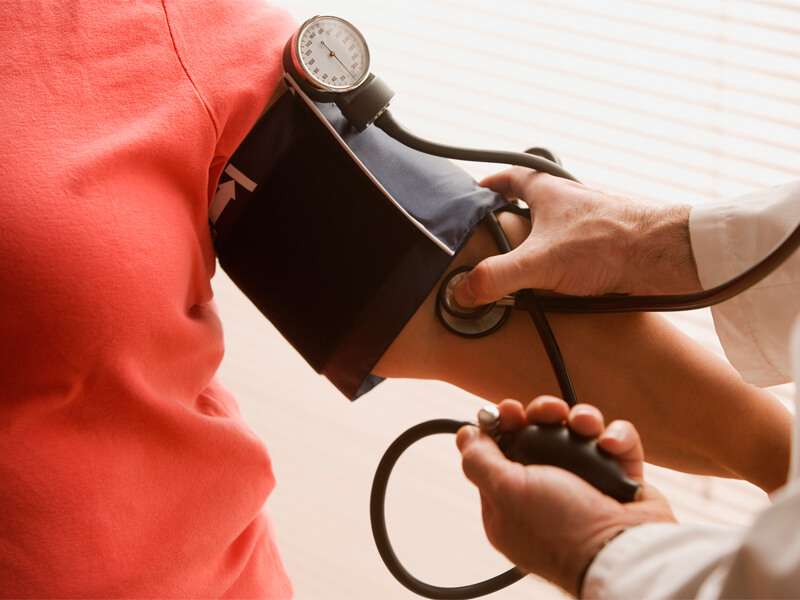
Hypertension, often referred to as high blood pressure, is a medical condition that occurs when the force of the blood against your artery walls is too high. This can lead to serious health problems if not managed properly.
- Symptoms: Many individuals may experience headaches, shortness of breath, or nosebleeds. However, it can often be asymptomatic.
- Causes: Common causes include obesity, lack of physical activity, and excessive salt intake.
- Diagnosis: Blood pressure readings taken during routine check-ups can reveal hypertension. Further tests may be necessary to determine underlying causes.
- Treatment: Treatment options typically include lifestyle changes like diet and exercise, as well as medication if necessary.
- What to Expect: Regular monitoring will be required to ensure blood pressure levels remain within a healthy range.
Understanding hypertension is crucial for long-term health management and prevention of complications such as heart disease and stroke.