
Dr Amol Joshi
About Me
Dr Amol Joshi
Cardiologist
Biography
My Clinic
OPD Hours
| Tuesday | Morning | 10:00 AM | - | 02:00 PM |
| Evening | 06:00 PM | - | 09:00 PM | |
| Wednesday | Morning | 10:00 AM | - | 02:00 PM |
| Evening | 06:00 PM | - | 09:00 PM | |
| Thursday | Morning | 10:00 AM | - | 02:00 PM |
| Evening | 06:00 PM | - | 09:00 PM | |
| Friday | Morning | 10:00 AM | - | 02:00 PM |
| Evening | 06:00 PM | - | 09:00 PM | |
| Saturday | Morning | 10:00 AM | - | 02:00 PM |
| Evening | 06:00 PM | - | 09:00 PM | |
| Sunday | Morning | 10:00 AM | - | 02:00 PM |
| Evening | 06:00 PM | - | 09:00 PM | |
| Thursday | Morning | 10:00 AM | - | 02:00 PM |
| Evening | 06:00 PM | - | 09:00 PM |
Treatments
Specialised care and treatments offered
CARDIAC MRI

A cardiac MRI (Magnetic Resonance Imaging) offers high-resolution images of the heart structures using powerful magnets and radio waves. It's particularly beneficial in evaluating suspected congenital defects or cardiomyopathy without exposure to radiation?
CORONARY ANGIOGRAPHY
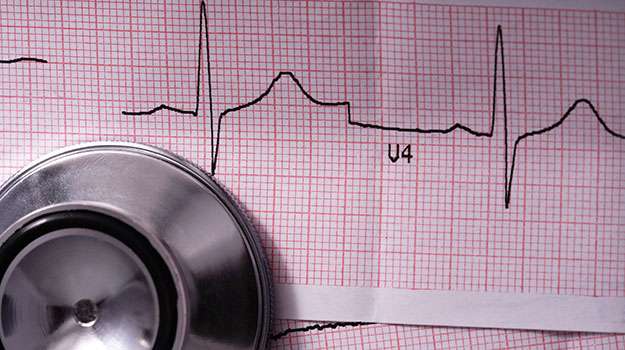
Coronary angiography is an advanced imaging technique used to visualize blood vessels supplying the heart. It plays a crucial role in diagnosing blockages or narrowings responsible for coronary artery disease (CAD).
- Looming symptoms, such as chest pain (angina) during exertion, might lead physicians to recommend this invasive and detailed investigation method.
- This diagnostic process begins with comprehensive evaluations including clinical history reviews prior to conducting angiography via catheterization techniques.
- If significant blockages are detected, treatment strategies could include stenting or bypass surgery aimed at restoring adequate blood flow to affected areas of the heart muscle.
- The procedure typically takes place in a specialized unit known as the catheter lab under local anesthesia and mild sedation for patient comfort;
HOLTER MONITOR
A Holter monitor is a portable device that continuously records your heart's rhythms over 24-48 hours. It's particularly effective for capturing intermittent symptoms that may not appear during standard tests.
- A patient might require this monitoring if they experience recurring (sudden palpitations, dizziness, or fainting spells).
- The diagnosis stage usually kicks off with an initial consultation where symptoms are discussed thoroughly before embarking on continuous monitoring.
- Treatment plans will depend on the monitor’s findings; these could range from watchful waiting to implementing specific medications or therapies if needed.
- The wearing process is simple: electrodes are attached to the skin while patients go about their daily routines without interruption from regular activities.
STRESS TEST
A stress test evaluates how the heart performs under physical activity. It is particularly useful for identifying coronary artery disease or other cardiovascular issues during exertion.
- Common symptoms prompting a stress test may include chest pain or excessive fatigue when exercising.
- This evaluation often starts with a detailed personal medical history followed by a physical examination before testing begins.
- If results indicate compromised heart function, doctors may recommend lifestyle changes or further treatment options like angioplasty or medication adjustments.
- The actual testing involves walking on a treadmill or pedaling a stationary bike while monitoring heart rate and blood pressure.
ELECTROCARDIOGRAM (ECG)
An Electrocardiogram (ECG) is a straightforward test that records the electrical activity of the heart. It helps in detecting irregularities in heart rhythm and other potential cardiac issues.
- Typical symptoms leading to this test include palpitations, dizziness, or unusual fatigue during physical activities.
- Doctors often perform an ECG alongside standard physical assessments for thorough diagnostics.
- If abnormalities are found, treatment could involve lifestyle modifications or medical interventions such as medications.
- The procedure itself is quick and painless; small electrodes are placed on the skin to capture heart signals.
This essential monitoring tool provides critical information necessary for diagnosing various cardiac problems efficiently.
ECHOCARDIOGRAM
An echocardiogram is a vital diagnostic tool that uses ultrasound waves to create images of the heart. This non-invasive procedure provides essential insights into the heart's size, structure, and overall function.
- Symptoms that might necessitate this test include shortness of breath, chest pain, or unexplained fatigue.
- The diagnosis process typically involves reviewing medical history and physical examinations prior to scheduling the echocardiogram.
- Treatment or management options may be suggested based on findings, ranging from lifestyle changes to medication adjustments.
- Patients can expect a painless experience; they will lie on an examination table while a technician applies gel and moves a transducer across their chest.
This imaging technique is crucial for assessing various cardiac conditions and aids in making informed treatment decisions.