
Dr Amol Nanaware
About Me
Dr Amol Nanaware
Internal Medicine
Biography
My Clinic
OPD Hours
| Tuesday | Morning | 10:00 AM | - | 02:00 PM |
| Evening | 06:00 PM | - | 09:00 PM | |
| Wednesday | Morning | 10:00 AM | - | 02:00 PM |
| Evening | 06:00 PM | - | 09:00 PM | |
| Thursday | Morning | 10:00 AM | - | 02:00 PM |
| Evening | 06:00 PM | - | 09:00 PM | |
| Friday | Morning | 10:00 AM | - | 02:00 PM |
| Evening | 06:00 PM | - | 09:00 PM | |
| Saturday | Morning | 10:00 AM | - | 02:00 PM |
| Evening | 06:00 PM | - | 09:00 PM | |
| Sunday | Morning | 10:00 AM | - | 02:00 PM |
| Evening | 06:00 PM | - | 09:00 PM | |
| Thursday | Morning | 10:00 AM | - | 02:00 PM |
| Evening | 06:00 PM | - | 09:00 PM |
Treatments
Specialised care and treatments offered
GASTROESOPHAGEAL REFLUX DISEASE (GERD) TREATMENT
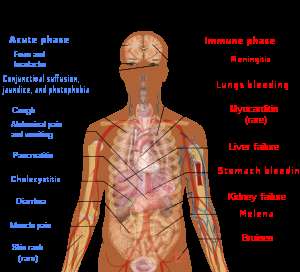
Gastroesophageal reflux disease (GERD) occurs when stomach acid frequently flows back into the esophagus causing discomfort among other issues; understanding it helps manage symptoms effectively!
- S ymptoms:The most common indications include heartburn after meals or when lying down along with regurgitation where food returns back into the throat. >Triggers:Certain foods (like spicy foods), obesity & stress play prominent roles in heightening risks while making this condition worse too!>Diagnosis techniques:S ymbolic understanding followed by observing signs plus possible endoscopy aid clinicians verifying presence along reflux severity if warranted.Follow-up care:A tonic lifestyle should incorporate dietary modifications consciously avoiding triggers meanwhile potential medication implementation allowing greater comfort enriching lifestyles.< / P Simultaneously improving awareness promoting well-being!(3)
MANAGEMENT OF CHRONIC RESPIRATORY CONDITIONS
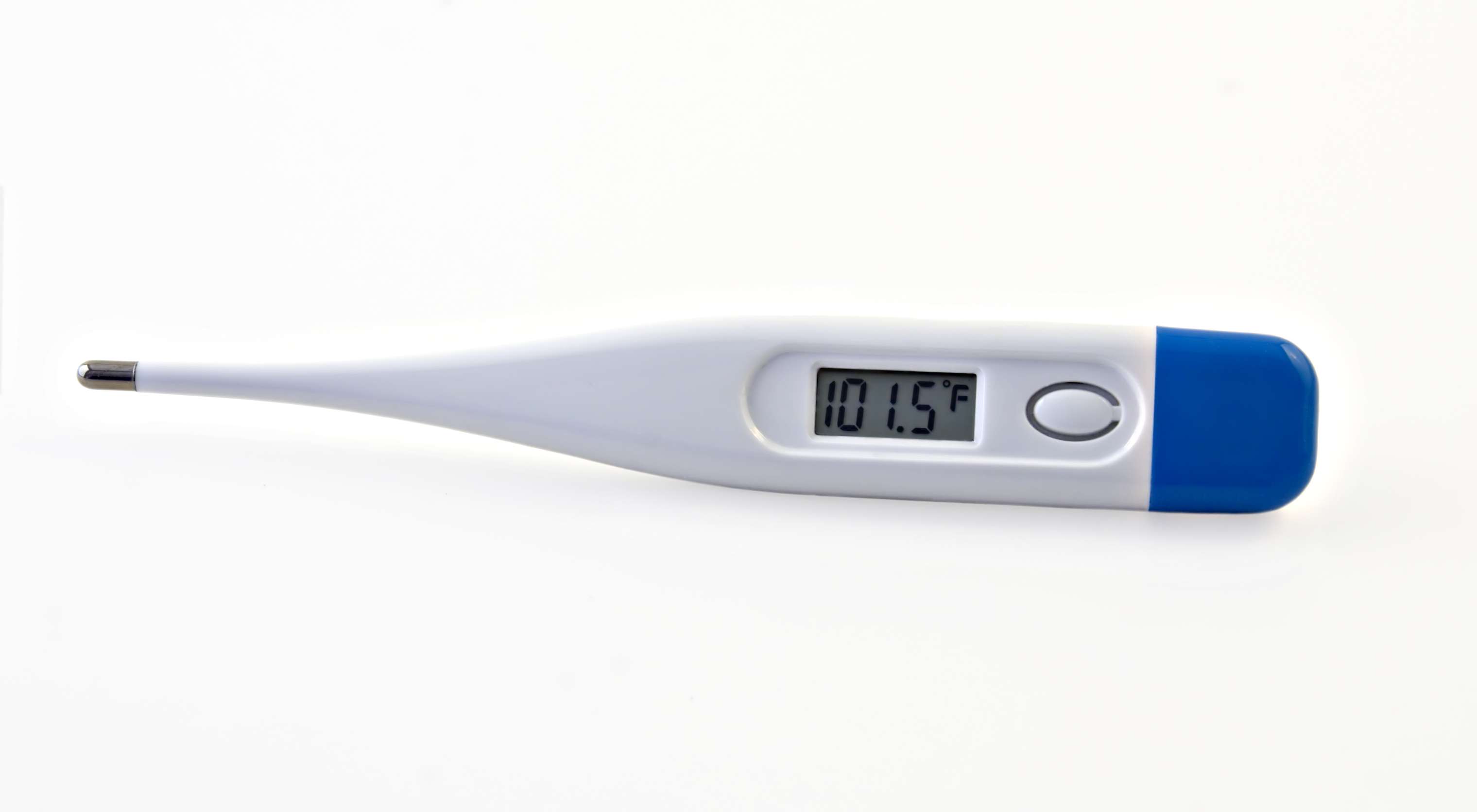
Managing chronic respiratory conditions like asthma or COPD is crucial in maintaining lung function and overall quality of life. Understanding these conditions aids in effective management strategies.
- Common Symptoms : Shortness of breath, wheezing, chronic coughs are typical indicators that warrant attention from a healthcare professional.
- Triggers / Causes : Irritants such as smoke, allergens (like pollen), respiratory infections have been known to exacerbate these conditions.
- Diagnosis Techniques : Diagnosis often involves pulmonary function tests alongside discussing symptomatic history with patients during consultations.
- Treatment Strategies : Treatment may encompass inhalers (both rescue & maintenance), lifestyle adjustments such as avoiding triggers & sometimes additional medications tailored specifically towards individual needs.
Your active involvement in managing respiratory issues leads not only toward improved functioning but also enhances daily comfort!
PREVENTIVE HEALTH SCREENINGS
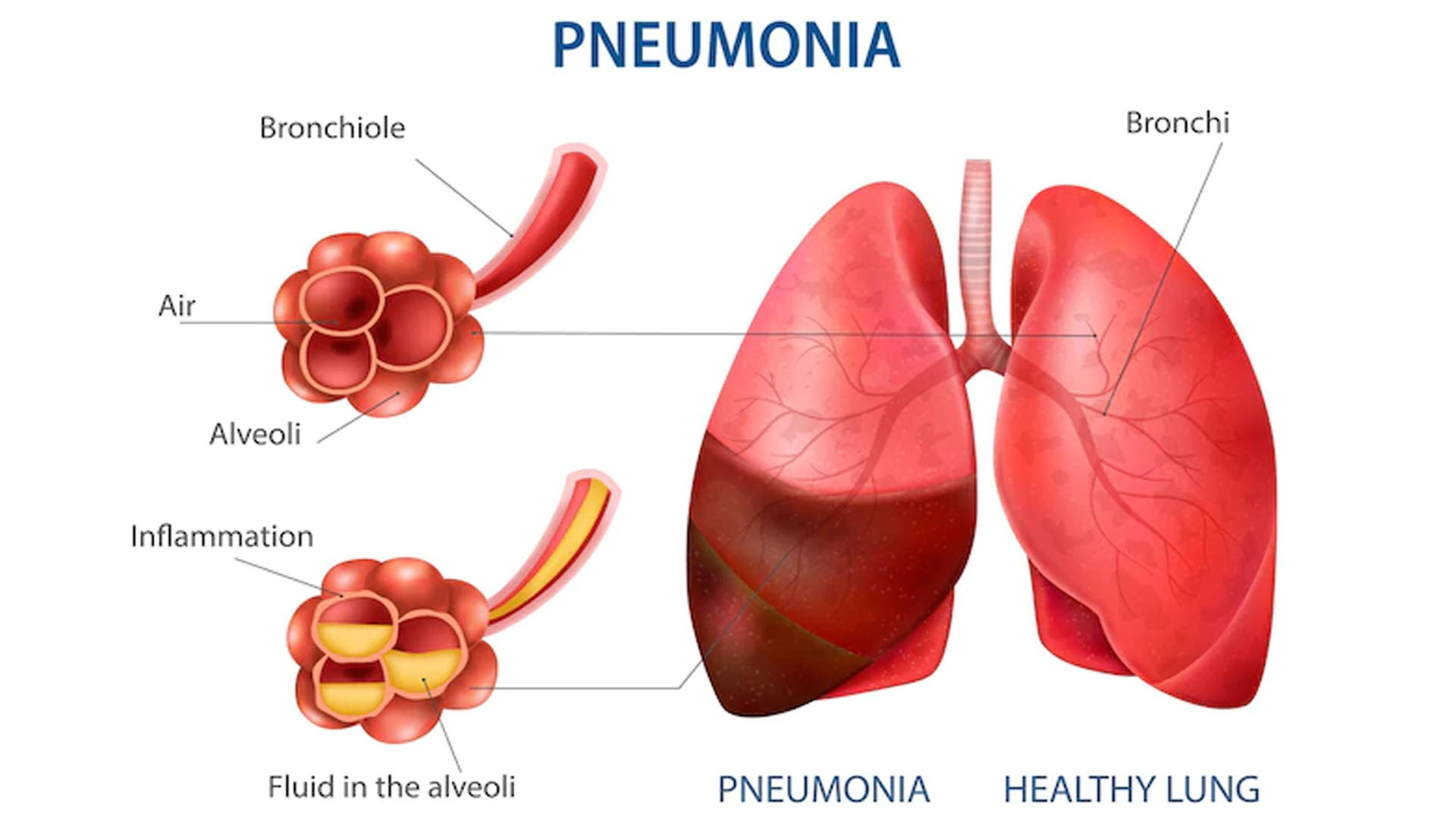
Preventive health screenings are vital for early detection of diseases before symptoms arise. Regular check-ups enable prompt intervention when necessary for better patient outcomes.
- Key Benefits : Early identification can lead to timely treatment options that often yield better health outcomes than late interventions.
- Common Screenings : Routine screenings include those for cancer (like mammograms), cardiovascular health assessments, and metabolic panels based on risk factors.
- Procedure : Most screenings involve simple tests either performed in-office or at a laboratory setting. Your doctor will recommend which screenings are appropriate based on your age and medical history.
- Follow-Up Care : Results from screenings will determine if further testing or intervention is required; staying informed allows you to make proactive choices about your care.
Your commitment to regular preventive screenings plays a pivotal role in maintaining optimal health throughout life!
CHOLESTEROL MANAGEMENT
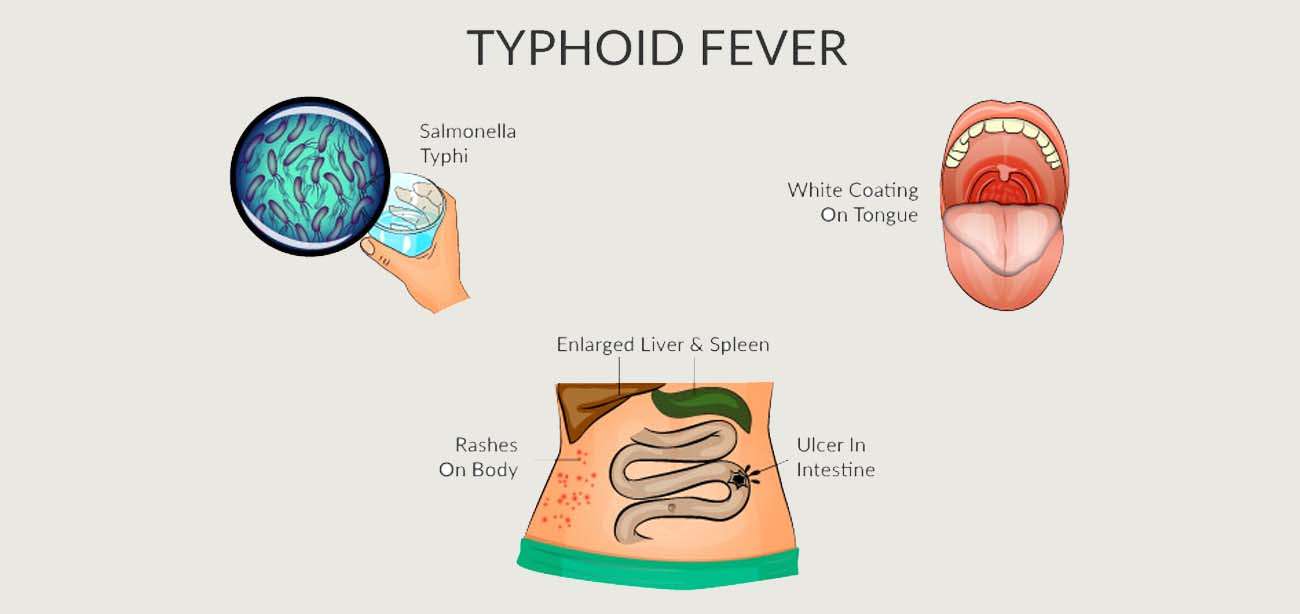
Managing cholesterol levels is critical for reducing the risk of cardiovascular diseases. Understanding how to maintain healthy cholesterol is essential for long-term health.
- Symptoms: High cholesterol typically has no obvious symptoms but can lead to heart disease over time.
- Causative Factors: Diet high in saturated fats, trans fats, smoking, and inactivity contribute to elevated cholesterol levels.
- Diagnosis: A simple blood test known as a lipid panel evaluates cholesterol levels in your bloodstream.
- Treatment Options: Lifestyle modifications such as dietary changes or regular exercise are recommended; in some cases, medication may be prescribed to manage cholesterol effectively.
Regular monitoring can help you stay informed about your cholesterol status and take action when necessary!
DIABETES SCREENING
Screening for diabetes is vital for early detection and prevention of complications associated with this chronic condition. Regular check-ups can help in assessing your blood sugar levels.
- Symptoms: Early signs may include increased thirst, frequent urination, fatigue, or blurred vision.
- Risk Factors: Family history, obesity, sedentary lifestyle, and certain ethnic backgrounds increase the likelihood of developing diabetes.
- Diagnosis: Blood tests like fasting plasma glucose or HbA1c are commonly used to diagnose diabetes and monitor its management.
- Treatment Options: Depending on the type and severity of diabetes, treatment may involve lifestyle changes like diet and exercise or medications including insulin therapy.
Being proactive through screening can lead to more effective management of diabetes and improve quality of life.
HYPERTENSION MANAGEMENT
Hypertension, or high blood pressure, is a common yet serious condition that can lead to severe health complications. Managing your blood pressure is essential for maintaining overall health.
- Symptoms: Often, hypertension presents with no symptoms, but severe cases might cause headaches, shortness of breath, or nosebleeds.
- Causes: Factors include genetics, high salt intake, obesity, and lack of physical activity.
- Diagnosis: Blood pressure readings taken during routine check-ups or specific tests help determine if you're hypertensive.
- Treatment Options: Lifestyle changes such as diet and exercise are crucial. Medications may also be prescribed to control blood pressure levels.
- What to Expect: Regular monitoring will be necessary to ensure your treatment plan is effective and adjust as needed.
A proactive approach to managing hypertension can significantly reduce the risk of heart disease and stroke.