
Dr Amrapali Pawar
About Me
Dr Amrapali Pawar
General Physician
Biography
My Clinic
OPD Hours
| Tuesday | Morning | 10:00 AM | - | 02:00 PM |
| Evening | 06:00 PM | - | 09:00 PM | |
| Wednesday | Morning | 10:00 AM | - | 02:00 PM |
| Evening | 06:00 PM | - | 09:00 PM | |
| Thursday | Morning | 10:00 AM | - | 02:00 PM |
| Evening | 06:00 PM | - | 09:00 PM | |
| Friday | Morning | 10:00 AM | - | 02:00 PM |
| Evening | 06:00 PM | - | 09:00 PM | |
| Saturday | Morning | 10:00 AM | - | 02:00 PM |
| Evening | 06:00 PM | - | 09:00 PM | |
| Sunday | Morning | 10:00 AM | - | 02:00 PM |
| Evening | 06:00 PM | - | 09:00 PM | |
| Thursday | Morning | 10:00 AM | - | 02:00 PM |
| Evening | 06:00 PM | - | 09:00 PM |
Treatments
Specialised care and treatments offered
GASTROESOPHAGEAL REFLUX DISEASE (GERD)
This chronic digestive disorder occurs when stomach acid frequently flows back into the esophagus causing irritation leading potentially severe complications if overlooked! Given its prevalence understanding GERD becomes essential ensuring optimal treatment pathways available ahead!
- Symptoms: Evident signs comprise persistent heartburn regurgitation sour taste sour stomach experiences swallowing difficulties presenting heightened discomfort scenarios prompting timely interventions throughout discussions encouraged !
- Causes: Lifestyle choices including overweight prominence excess alcohol caffeine manual injuries affecting esophageal musculature contribute fundamentally towards developing GERD complaints whereby targeted measures prove effective alleviating instances observed increasingly recognizably !
- Diagnosis: Pursuing endoscopy imaging techniques alongside extensive symptom reviews provides ample information needed estimating barriers reflux factors hindering seamless digestion observed advising appropriate preventive solutions forthcoming guiding fully knowledgeable expectations regarding variations existing significantly noted behaviors indefinitely ; perspectives applying afterward too seen engendered beneficial wellness results generally obtained downstream altogether via provisions achievable comparing matched situational intricacies constantly uncovered helping achieve ultimate service readiness delivery provided amongst those affected directly correlating inputs deserve mention from detailed dialogue summatively executed prior !>
SEASONAL ALLERGIES

The onset of seasonal allergies marks discomfort for countless individuals each year during specific seasons when pollen counts peak. Understanding this common condition empowers effective management strategies that enhance quality of life amid triggers around us daily!
- Symptoms: Common manifestations include sneezing , nasal congestion , itchy eyes , runny noses & fatigue which all correlate closely with exposure periods thus monitoring exposure remains paramount .
- Causes: Grass pollens trees molds dust allergens contribute widely leading many affected especially springtime onwards appreciating external exposures accord potential reaction enhancements .
- Diagnosis: Allergy testing through skin prick tests/blood tests assists clinicians determine responsible allergenic sources allowing personalized avoidance recommendations tailored accordingly .
- Treatment/Management: Over-the-counter antihistamines corticosteroids alleviating inflammation alongside avoidance strategies yield substantial symptom relief facilitating improved daily functioning restfully free-like quality living situations possible throughout affected months seasonally based areas involved !
- What To Expect: Long-term control over allergy exposures achievable through informed decisions aided by allied healthcare systems advocating awareness ultimately softening detrimental effects upon individual's everyday livelihoods notably well -being outcomes positively transitioning !
HYPERLIPIDEMIA

The term hyperlipidemia refers to elevated levels of lipids (fats) in the blood including cholesterol and triglycerides which increases the risk of cardiovascular diseases. Recognizing its importance plays a pivotal role in overall health maintenance.
- Symptoms: Hyperlipidemia typically has no noticeable symptoms until significant cardiovascular problems occur; hence it’s often detected through routine lipid panels during health check-ups .
- Causes: Factors contributing involve poor dietary habits high in fats , sedentary lifestyle , obesity , genetic predisposition chromosome defects etc .
- Diagnosis: Blood tests measuring total cholesterol levels along with LDL (bad cholesterol) HDL (good cholesterol) & triglycerides values inform about lipid profiles .
- Treatment/Management: Lifestyle changes such as implementing heart-healthy diets regular exercising & maintaining healthy weights crucially aid lowering lipid counts ; medications mainly statins may also work based on individual assessments .
- What to Expect: Continuous monitoring guided by healthcare practitioners ensures desired lipid controls leading healthier futures whilst mitigating associated risks effectively .
The underlying objective remains achieving balance within measures fostering longevity while tackling hyperlipidemias implications head-on .
ASTHMA
A chronic respiratory condition known as asthma affects the airways in lungs causing difficulty in breathing due to inflammation and narrowing of air passages. Understanding asthma is critical for effective management and symptom relief.
- Symptoms: The most common symptoms include wheezing, shortness of breath, chest tightness, and persistent coughing especially at night or during exercise.
- Causes: Asthma triggers vary but can include allergens like pollen or dust mites; irritants such as smoke or strong odors; physical activity; weather changes; or respiratory infections.
- Diagnosis: A thorough medical history combined with lung function tests helps diagnose asthma accurately. Monitoring peak flow rates can provide further insight into airway constriction severity.
- Treatment/Management: Treatment typically focuses on avoiding triggers while using inhalers for quick relief during symptoms flare-ups along with long-term control medications if necessary.
- What to Expect: Asthma requires ongoing management strategies which include developing an action plan individualized by healthcare providers to ensure optimal control over symptoms
A better understanding can empower patients to manage their asthma efficiently and lead active lives with minimal disruption from their conditions.
TYPE 2 DIABETES

Type 2 diabetes is a chronic condition that affects how your body metabolizes sugar (glucose). It can develop slowly and often goes unnoticed until serious complications arise. Early detection and management are key components in controlling this condition.
- Symptoms: Common signs include increased thirst, frequent urination, extreme fatigue, and blurred vision. Recognizing these early symptoms can facilitate timely intervention.
- Causes: Risk factors encompass obesity, sedentary lifestyle, age over 45 years, and genetic predisposition to diabetes.
- Diagnosis: A blood test that measures fasting glucose levels or an HbA1c test helps determine the presence of diabetes. Routine screenings are advisable for at-risk populations.
- Treatment/Management: Managing Type 2 diabetes typically involves lifestyle modifications like adopting a balanced diet rich in nutrients and increasing physical activity levels. Medication may be necessary if lifestyle changes alone aren't effective.
- What to Expect: With proper management plans tailored by healthcare professionals, individuals with Type 2 diabetes can sustain normal glucose levels and minimize complications related to the disease.
A proactive approach towards the condition can significantly improve quality of life.
HYPERTENSION
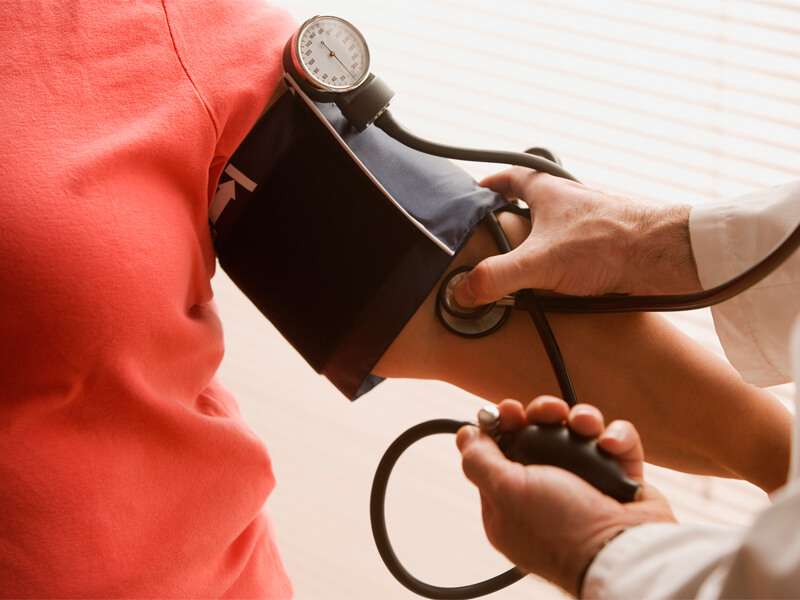
Hypertension, commonly known as high blood pressure, is a prevalent condition affecting millions worldwide. It can lead to serious health issues if left unmanaged. Understanding this condition is crucial for preventing complications, such as heart disease and stroke.
- Symptoms: Often referred to as a silent killer, hypertension may not exhibit noticeable symptoms. However, some individuals may experience headaches, dizziness, or nosebleeds.
- Causes: Factors contributing to hypertension include poor diet, lack of physical activity, obesity, and stress. Genetics can also play a significant role.
- Diagnosis: Blood pressure is measured using a sphygmomanometer during routine check-ups. Elevated readings over multiple visits confirm the diagnosis.
- Treatment/Management: Management often includes lifestyle changes such as dietary modifications (reducing salt intake), regular exercise, and weight management. Medications may be prescribed in more severe cases.
- What to Expect: Regular monitoring and follow-up are essential for managing hypertension effectively. With proper care, individuals can lead healthy lives while controlling their blood pressure.
This condition requires ongoing attention to prevent long-term health consequences.