
Dr Anant Gangawat
About Me
Dr Anant Gangawat
MD
Dermatologist
Biography
My Clinic
OPD Hours
| Monday | Morning | 10:00 AM | - | 02:00 PM |
| Evening | 06:00 PM | - | 09:00 PM | |
| Tuesday | Morning | 10:00 AM | - | 02:00 PM |
| Evening | 06:00 PM | - | 09:00 PM | |
| Wednesday | Morning | 10:00 AM | - | 02:00 PM |
| Evening | 06:00 PM | - | 09:00 PM | |
| Thursday | Morning | 10:00 AM | - | 02:00 PM |
| Evening | 06:00 PM | - | 09:00 PM | |
| Friday | Morning | 10:00 AM | - | 02:00 PM |
| Evening | 06:00 PM | - | 09:00 PM | |
| Saturday | Morning | 10:00 AM | - | 02:00 PM |
| Evening | 06:00 PM | - | 09:00 PM | |
| Sunday | Morning | 10:00 AM | - | 02:00 PM |
| Evening | 06:00 PM | - | 09:00 PM |
Treatments
Specialised care and treatments offered
CONTACT DERMATITIS
This form of dermatitis arises when the skin comes into contact with an allergen or irritant leading to inflammation. It is important to identify triggers effectively since they differ widely among individuals who experience this condition.
- Common Symptoms : Patients typically present with red rash-like patches often accompanied by itching ; swelling might occur depending on severity level .
- Causative Agents : Common culprits include certain soaps , cosmetics , metals (nickel) along household chemicals causing direct injury .
- Diagnosis Process : Evaluations primarily entail obtaining detailed patient histories along inspection followed possibly by patch testing where reactions allow for pinpointing specific allergens .
- Management Steps : Elimination strategies remain crucial thus avoiding known offenders paired up usually alongside topical corticosteroids alleviating discomfort markedly !
A consult should lead towards establishing safer alternatives minimizing exposure while guiding adequate recovery processes !
ROSACEA
This chronic inflammatory condition primarily affects the face and is characterized by facial redness. Rosacea often presents itself as flushing episodes but can also lead to visible blood vessels on the face over time if left untreated.
- Symptoms: Individuals may notice persistent redness accompanied by small bumps resembling acne along with eye irritation (ocular rosacea) .
- Triggers: Various factors such as hot drinks , spicy foods , sunlight exposure , or emotional stressors may exacerbate symptoms .
- Diagnosis: Typically diagnosed based on history alongside clinical observation , keeping an eye out for characteristic features associated with this disease .
- Treatment Approaches: Therapy options range from topical agents targeting redness / bumps down through systemic antibiotics ; laser therapy has also shown positive results for visible blood vessels .
- Ongoing Management: Establishing an individualized skincare regimen that limits irritation while addressing flares proves essential for better outcomes long term !
The goal remains complete symptom control leading patients towards higher self-esteem via appearance improvement.
SEBORRHEIC DERMATITIS
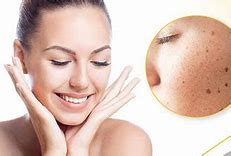
This chronic form of dermatitis primarily affects areas rich in sebaceous glands such as the scalp and face. Seborrheic dermatitis presents as red skin covered with greasy yellowish scales that can be uncomfortable.
- Main Symptoms: Key indicators include dandruff on the scalp or facial regions along with inflammation around oily areas of the body like eyebrows and sides of the nose.
- Causative Factors: Factors influencing this condition range from hormonal changes to yeast overgrowth on the skin surface!
- Diagnosis: A thorough clinical examination usually suffices; however , some might undergo tests to rule out other conditions .
- Treatment Strategies: Options consist of medicated shampoos , topical antifungals , corticosteroids , or other anti-inflammatory agents .
- Ongoing Care: Regular maintenance therapy helps keep symptoms under control , especially during seasonal fluctuations .
A multi-faceted approach generally leads to gratifying results when managing seborrheic dermatitis effectively .
ECZEMA (ATOPIC DERMATITIS)
Eczema is a chronic inflammatory skin condition marked by dry and itchy skin. It often begins in childhood but can persist into adulthood or manifest later in life.
- Symptoms: Common signs include red patches of skin that may ooze or crust over during flare-ups; itching is usually intense.
- Causes: Eczema is associated with genetic predisposition and environmental factors such as allergens or irritants that trigger symptoms.
- Diagnosis: Diagnosis involves a physical examination coupled with patient history; specific allergy tests may be performed if allergies are suspected.
- Treatment Options: Treatments frequently include emollients, topical corticosteroids during flare-ups, and sometimes antihistamines for itching relief.
- Avoidance Strategies: Identifying triggers plays an essential role in managing eczema effectively long-term.
An effective management plan combines medication use with lifestyle adjustments tailored to individual triggers for best results.
PSORIASIS
This chronic autoimmune disorder leads to the rapid proliferation of skin cells resulting in thickened patches that can be itchy or painful. Psoriasis can vary greatly from person to person.
- Symptoms: Red patches covered with thick, silvery scales often appear on elbows, knees, scalp, and lower back.
- Triggers: Infections, stress, injuries to the skin, or cold weather may precipitate flare-ups.
- Diagnosis: A visual inspection by a dermatologist is typically sufficient for diagnosis but may include skin biopsy for atypical cases.
- Treatment Options: Management may involve topical treatments like corticosteroids, phototherapy, and systemic medications that target inflammation.
- Long-term Management: Patients should engage in regular follow-ups to adjust treatment strategies as needed.
Lifestyle adjustments alongside medical therapy often result in improved quality of life for individuals with psoriasis.
ACNE VULGARIS
Acne vulgaris is a common skin condition that primarily affects adolescents and young adults, although it can occur at any age. It occurs when hair follicles become clogged with oil and dead skin cells.
- Symptoms: Characterized by pimples, blackheads, cysts, and redness of the skin, acne can vary in severity.
- Causes: Hormonal changes, excess oil production, and bacteria are major contributors to acne flare-ups.
- Diagnosis: A dermatologist evaluates acne through a clinical examination and may ask about family history or lifestyle factors.
- Treatment Options: Treatments include topical medications like retinoids, oral antibiotics, hormonal therapies, and in more severe cases, isotretinoin.
- Management: Maintaining a consistent skincare routine can help manage outbreaks and prevent scarring.
A proper treatment plan tailored to individual needs can lead to significant improvement in the condition.