
Dr Anantpal Singh
About Me
Dr Anantpal Singh
General Physician
Biography
My Clinic
OPD Hours
| Tuesday | Morning | 10:00 AM | - | 02:00 PM |
| Evening | 06:00 PM | - | 09:00 PM | |
| Wednesday | Morning | 10:00 AM | - | 02:00 PM |
| Evening | 06:00 PM | - | 09:00 PM | |
| Thursday | Morning | 10:00 AM | - | 02:00 PM |
| Evening | 06:00 PM | - | 09:00 PM | |
| Friday | Morning | 10:00 AM | - | 02:00 PM |
| Evening | 06:00 PM | - | 09:00 PM | |
| Saturday | Morning | 10:00 AM | - | 02:00 PM |
| Evening | 06:00 PM | - | 09:00 PM | |
| Sunday | Morning | 10:00 AM | - | 02:00 PM |
| Evening | 06:00 PM | - | 09:00 PM | |
| Thursday | Morning | 10:00 AM | - | 02:00 PM |
| Evening | 06:00 PM | - | 09:00 PM |
Treatments
Specialised care and treatments offered
OBESITY MANAGEMENT
Obesity is defined as having an excessive amount of body fat that poses risks for various health conditions including heart disease and diabetes. Managing obesity requires an integrated approach involving nutrition and exercise strategies tailored individually.
- Symptoms: Common indicators include excessive weight gain impacting physical mobility lack off energy levels along potential psychological aspects like low self-esteem.
- Causes:The roots often lie within lifestyle choices compounded sometimes genetically leading towards overweight issues.
- Diagnosis:A doctor will evaluate body mass index (BMI) alongside screening tools assessing overall health conditions associated value against established benchmarks.
- Treatment:This typically revolves around personalized diet plans combined engaging workouts while behavioral counseling enhances motivation support groups provide accountability every step along journey.
SEASONAL ALLERGIES

Seasonal allergies result from pollen exposure during specific times of year when certain plants bloom. They can greatly affect daily life for those who suffer from them.
- < Span Style = "Font - Weight: Bold;" > Symptoms : Typical signs include sneezing , itchy eyes , running nose , nasal congestion , and fatigue .
- < Span Style = "Font - Weight: Bold;" > Causes : Allergens such as tree pollen , grass pollen , or weed pollen trigger these reactions in sensitive individuals .
- < Span Style = "Font - Weight: Bold;" > Diagnosis : Diagnosis usually involves reviewing patient history coupled with allergy tests if needed .
- < Span Style = "Font - Weight: Bold;" > Treatment : Treatment options range from antihistamines for symptomatic relief to allergen immunotherapy aimed at desensitization over time .
- < Span Style = "Font - Weight: Bold;" > What To Expect : Allergen avoidance remains key along with regular communication regarding changing seasons for effective management .
Attention towards recognizing triggers will allow better control during allergy seasons ensuring comfort throughout varying climates .
COMMON COLD
The common cold is a viral respiratory infection that predominantly affects the upper respiratory tract. While usually mild, its symptoms can be bothersome for those affected.
- Symptoms: Symptoms typically manifest as a runny nose, sore throat, cough, sneezing, headache, or mild body aches.
- Causes:The common cold is primarily caused by rhinoviruses which spread via respiratory droplets when an infected person sneezes or coughs or by touching contaminated surfaces followed by touching the face.
- Diagnosis:A healthcare provider usually diagnoses a cold based on symptom assessment without requiring elaborate testing unless other complications arise.
- Treatment:Treating colds generally focuses on symptom relief through rest and hydration; over-the-counter medications may alleviate discomfort.
- What to Expect:Mild cases resolve within 7–10 days without specific treatment while persistent symptoms might need further evaluation.
Although annoying for most individuals,colds are manageable with proper rest and care measures surrounding basic health practices.
ASTHMA
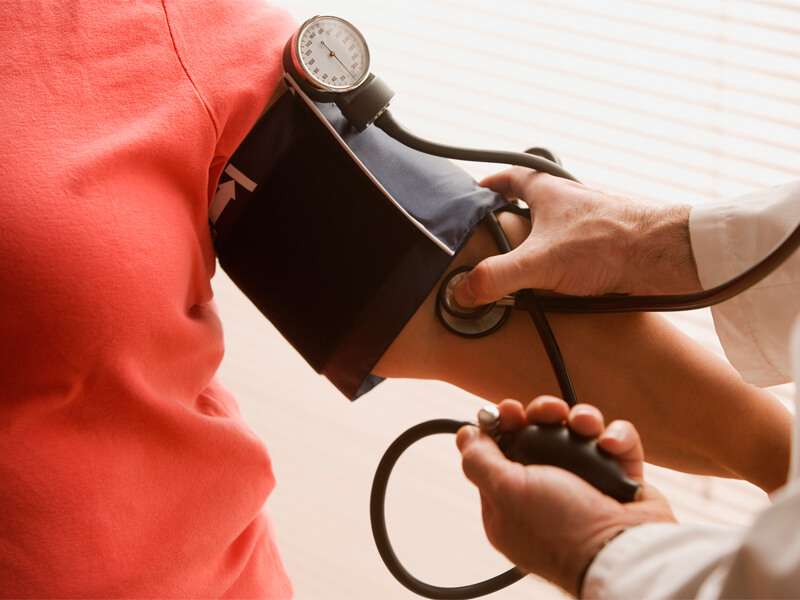
Asthma is a chronic respiratory condition characterized by inflammation and narrowing of the airways. This leads to difficulty breathing which may vary in severity from person to person.
- Symptoms: Common symptoms include wheezing, coughing (especially at night), chest tightness, and shortness of breath during exercise or exposure to triggers like dust or pollen.
- Causes: Asthma can be triggered by allergens such as pet dander or mold as well as environmental factors like smoke or pollution. Family history also plays a role in susceptibility.
- Diagnosis: Diagnosis often involves lung function tests like spirometry alongside an assessment of symptoms and medical history.
- Treatment: Treatment typically includes inhalers for relief during attacks and anti-inflammatory medications for long-term control of asthma symptoms.
- What to Expect: Regular follow-up with your healthcare provider helps manage the disease effectively while ensuring better quality of life through personalized action plans.
Asthma management focuses on avoiding triggers while maintaining good respiratory health through proper treatment protocols.
TYPE 2 DIABETES
This metabolic condition arises when the body becomes resistant to insulin or doesn't produce enough insulin to maintain healthy glucose levels. Type 2 diabetes is increasingly common due to rising obesity rates.
- Symptoms: Symptoms can include excessive thirst, frequent urination, fatigue, blurred vision, and slow-healing wounds.
- Causes: Genetics plays a significant role; however, lifestyle factors like a sedentary routine and poor diet are major contributors in many cases.
- Diagnosis: A fasting blood glucose test or an A1C test is typically performed to confirm the diagnosis of diabetes.
- Treatment: Management strategies include dietary changes, increased physical activity, and medication. In some cases, insulin therapy may be necessary.
- What to Expect: With proper management, many people with Type 2 diabetes can lead healthy lives by keeping their blood sugar levels stable.
The importance of education about this condition cannot be overstated since understanding it aids in prevention and management efforts.
HYPERTENSION
Hypertension, commonly known as high blood pressure, is a condition that can lead to severe health complications if left untreated. It often develops over many years and may go unnoticed until significant damage has occurred.
- Symptoms: Many individuals may not experience noticeable symptoms, but some can report headaches, shortness of breath, or nosebleeds.
- Causes: Factors such as age, genetics, obesity, lack of physical activity, and excessive salt intake can contribute significantly to the risk of developing hypertension.
- Diagnosis: Blood pressure measurements taken during routine check-ups serve as a primary diagnostic tool. Additional tests may be conducted to assess any organ damage.
- Treatment: Management often includes lifestyle changes such as diet modification and exercise. Medications may also be prescribed to help control blood pressure levels effectively.
- What to Expect: Regular monitoring and follow-up with your healthcare provider are crucial to managing hypertension and preventing related complications.
Recognizing and addressing hypertension early promotes better overall health and reduces the risk of serious cardiovascular events.