
Dr Anchal Jain Ph
About Me
Dr Anchal Jain Ph
MBBS
Therapist
10 Years Experience
Biography
My Clinic
OPD Hours
| Monday | Morning | 10:00 AM | - | 02:00 PM |
| Evening | 06:00 PM | - | 09:00 PM | |
| Tuesday | Morning | 10:00 AM | - | 02:00 PM |
| Evening | 06:00 PM | - | 09:00 PM | |
| Wednesday | Morning | 10:00 AM | - | 02:00 PM |
| Evening | 06:00 PM | - | 09:00 PM | |
| Thursday | Morning | 10:00 AM | - | 02:00 PM |
| Evening | 06:00 PM | - | 09:00 PM | |
| Friday | Morning | 10:00 AM | - | 02:00 PM |
| Evening | 06:00 PM | - | 09:00 PM | |
| Saturday | Morning | 10:00 AM | - | 02:00 PM |
| Evening | 06:00 PM | - | 09:00 PM | |
| Sunday | Morning | 10:00 AM | - | 02:00 PM |
| Evening | 06:00 PM | - | 09:00 PM |
Treatments
Specialised care and treatments offered
LIFESTYLE MODIFICATION THERAPY
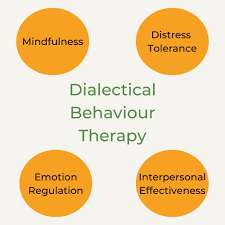
Lifestyle modifications encompass changes aimed at enhancing mental health through diet adjustment, exercise routines,and social engagement improvements among others
- Symptoms / causes: Poor lifestyle choices contributing to fatigue,depression,and anxiety symptoms necessitate intervention.
- Diagnosis: Comprehensive evaluation incorporates medical history,lifestyle habits,and psychological status.
- Treatment / management : Emphasis is placed upon incorporating balanced nutrition,daily physical activity,and establishing healthy social connections.
- Whattoexpect: Over time,such changes foster enhanced mood stability,increased energy levels,and reduced psychological distress.
Holistic lifestyle adjustment represents a foundational strategy towards sustainable mental health improvements.
MINDFULNESS-BASED STRESS REDUCTION (MBSR)
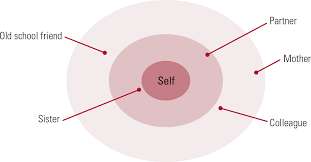
MBSR is an evidence-based program combining mindfulness meditation with yoga principles designed to reduce psychological distress.
- Symptoms/causes:MBSR addresses symptoms such as anxiety, chronic pain perception changes, stress reactions, and depressive tendencies caused by various life pressures or illness experiences.
- Diagnosis:The suitability for MBSR is determined by assessing patient readiness for meditation practices along with clinical evaluation of symptoms severity.
- Treatment/management:The program usually lasts eight weeks involving guided group sessions teaching awareness techniques focused on present moment experiences without judgment.
- What to expect: Participants develop enhanced coping mechanisms leading to decreased reactivity in stressful situations as awareness improves.
Practicing mindfulness cultivates emotional resilience supporting long-term mental well-being.
BEHAVIORAL ACTIVATION THERAPY
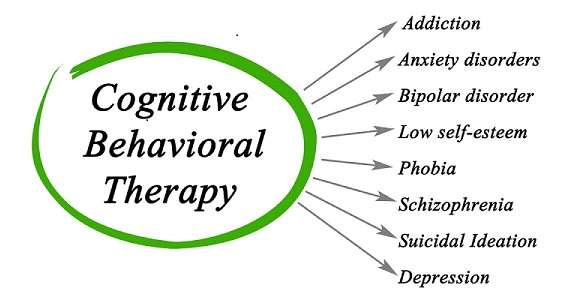
This therapy focuses on encouraging engagement in meaningful activities to counteract withdrawal symptoms common in depression or low mood states.
- Symptoms/causes: Loss of interest in previously enjoyed activities and social isolation are frequent signs targeted by this approach.
- Diagnosis: Clinicians assess activity levels alongside mood evaluations during consultations.
- Treatment/management: Structured scheduling of enjoyable or purposeful tasks helps restore motivation and positive reinforcement cycles.
- What to expect: Success depends on patient participation with gradual increases in activity resulting in mood improvement over weeks to months.
This therapy aims at breaking the cycle of inactivity that perpetuates emotional distress by fostering constructive routines.
SLEEP HYGIENE IMPROVEMENT
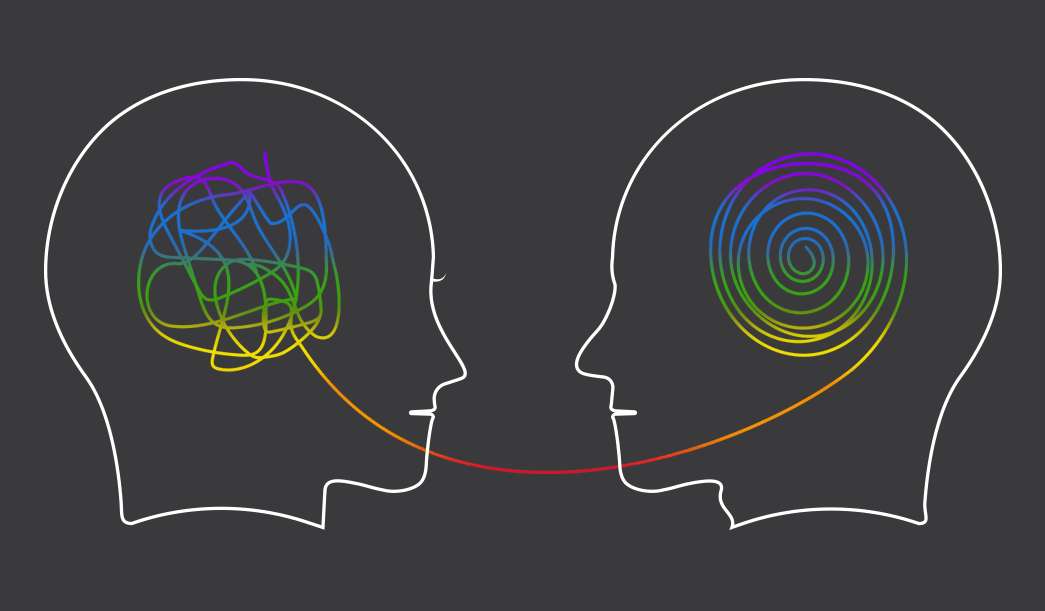
Poor sleep quality affects many aspects of health. Improving sleep hygiene involves adopting habits that promote restful and consistent sleep patterns.
- Symptoms/causes: Issues like insomnia, frequent awakenings, or non-restorative sleep may arise from irregular schedules or environmental factors.
- Diagnosis: Evaluation includes sleep history assessment and sometimes use of sleep diaries or questionnaires.
- Treatment/management: Recommendations often involve maintaining a regular bedtime routine, limiting screen time before bed, managing caffeine intake, and creating a comfortable sleep environment.
- What to expect: Patients gradually experience improved sleep latency and duration leading to better daytime functioning.
Consistent adherence to good habits fosters natural regulation of the sleep-wake cycle essential for overall wellness.
STRESS MANAGEMENT COUNSELING
Managing stress is crucial for maintaining both mental and physical health. Stress management counseling offers guidance on handling daily pressures in healthy ways.
- Symptoms/causes: Symptoms include irritability, fatigue, sleep disturbances, headaches, or digestive issues often triggered by work, relationships, or lifestyle factors.
- Diagnosis: Assessment includes discussing life circumstances, identifying stressors, and evaluating coping mechanisms.
- Treatment/management: Techniques include relaxation exercises, mindfulness training, time management skills, and cognitive restructuring.
- What to expect: Counseling sessions provide personalized strategies tailored to individual needs to reduce stress impact over time.
Tackling stress proactively can enhance quality of life and prevent chronic conditions associated with prolonged stress exposure.
COGNITIVE BEHAVIORAL THERAPY (CBT)
Cognitive Behavioral Therapy (CBT) is a structured, time-limited psychotherapy that helps individuals address negative thought patterns affecting their emotions and behaviors.
- Symptoms/causes: Often used for anxiety, depression, stress-related disorders, and other mental health challenges.
- Diagnosis: Diagnosis involves clinical interviews and psychological assessments to identify maladaptive thoughts and behaviors.
- Treatment/management: CBT focuses on identifying and modifying distorted thinking through exercises, homework assignments, and skill-building techniques such as relaxation methods.
- What to expect: Patients typically attend weekly sessions over several months, actively participating in goal-setting and practicing new coping strategies.
This therapy empowers individuals with practical tools to manage symptoms effectively and improve overall emotional well-being.