
Dr Anil Gehlot
About Me
Dr Anil Gehlot
MBBS
General Physician
10 Years Experience
Biography
My Clinic
OPD Hours
| Monday | Morning | 10:00 AM | - | 02:00 PM |
| Evening | 06:00 PM | - | 09:00 PM | |
| Tuesday | Morning | 10:00 AM | - | 02:00 PM |
| Evening | 06:00 PM | - | 09:00 PM | |
| Wednesday | Morning | 10:00 AM | - | 02:00 PM |
| Evening | 06:00 PM | - | 09:00 PM | |
| Thursday | Morning | 10:00 AM | - | 02:00 PM |
| Evening | 06:00 PM | - | 09:00 PM | |
| Friday | Morning | 10:00 AM | - | 02:00 PM |
| Evening | 06:00 PM | - | 09:00 PM | |
| Saturday | Morning | 10:00 AM | - | 02:00 PM |
| Evening | 06:00 PM | - | 09:00 PM | |
| Sunday | Morning | 10:00 AM | - | 02:00 PM |
| Evening | 06:00 PM | - | 09:00 PM |
Treatments
Specialised care and treatments offered
GASTROESOPHAGEAL REFLUX DISEASE (GERD) TREATMENT
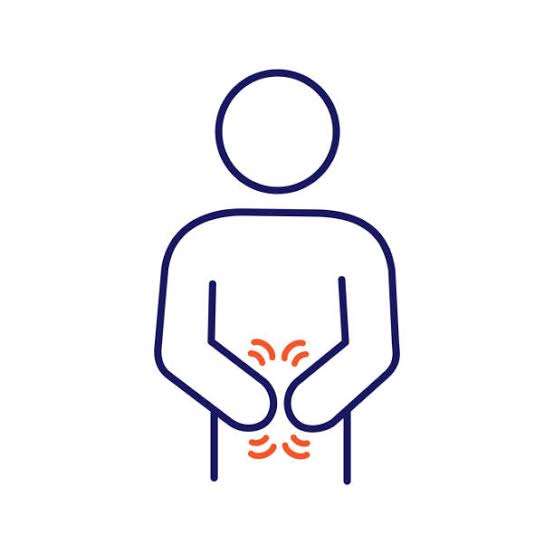
The management of GERD focuses on alleviating symptoms caused by stomach acid regurgitating into the esophagus. This chronic condition often requires ongoing treatment for effective relief.
ALLERGY MANAGEMENT

Manging allergies effectively is key to improving quality of life. Allergies occur when the immune system reacts abnormally to substances in the environment known as allergens.
- Common triggers: These may include pollen from plants, dust mites , pet dander , certain foods , or insect stings .
- Symptoms: Symptoms vary widely but often encompass sneezing , itching , rashes , or even respiratory difficulties .
- Diagnosis: Allergy testing through skin prick tests or specific IgE blood tests helps confirm allergen sensitivity .
- Management: Avoidance of triggers is primary ; additionally , antihistamines , nasal sprays , or immunotherapy might be presented as treatment options .
Identifying specific allergens can greatly reduce symptoms allowing individuals to enjoy daily activities again without distress .
RESPIRATORY INFECTIONS TREATMENT
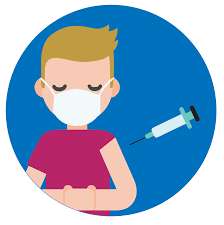
Treatment for respiratory infections varies based on the underlying cause. These infections can affect the airways and lungs leading to symptoms like coughing and difficulty breathing.
- Causative agents: Respiratory infections may be caused by viruses or bacteria; influenza and pneumonia are examples of common types.
- Symptoms: Signs include persistent cough, wheezing, fever, chills, or chest discomfort that warrants medical attention if severe or lasting long-term.
- Treatment methods: Options depend on the type of infection - viral infections may require rest while bacterial ones might need antibiotics along with supportive care like hydration and rest.
If you experience symptoms of respiratory distress or prolonged illness, seeking professional help will ensure appropriate treatment goes underway promptly.
ANNUAL HEALTH CHECK-UP
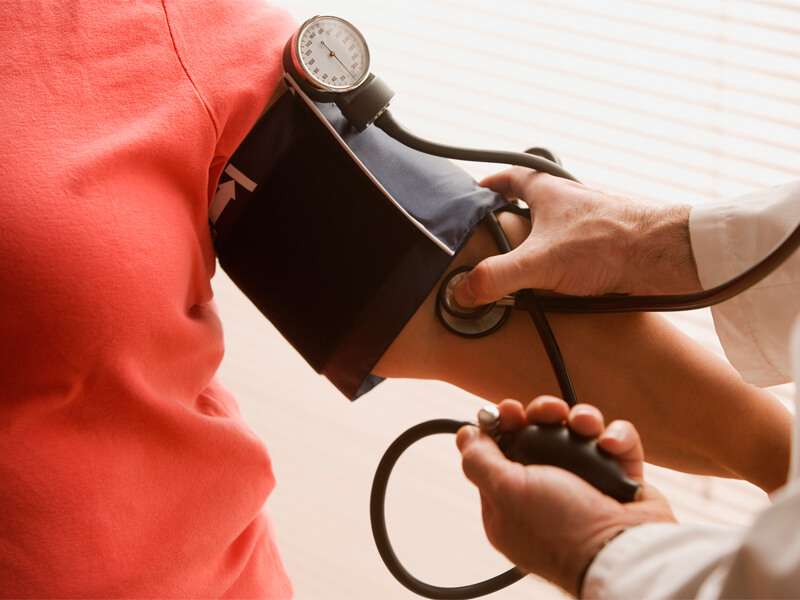
An annual health check-up is an important preventive measure that helps in detecting potential health issues before they become serious. Regular evaluations can save lives through early intervention.
- What it involves: The check-up typically includes physical exams, blood tests, and potentially imaging depending on age and risk factors.
- Screens for: Common conditions like hypertension, diabetes, cholesterol levels, and other chronic diseases are checked during this visit.
- Benefits: Early detection often leads to better management strategies and improved long-term health outcomes.
- Your role: Stay honest about your medical history and lifestyle habits during the check-up for more accurate assessments and recommendations.
A yearly check-up empowers you with knowledge about your health status while fostering a proactive approach to wellness.'
DIABETES SCREENING
Diabetes screening is vital for early detection of high blood sugar levels that can lead to diabetes. This condition affects how the body processes glucose, which is essential for energy.
- Risk factors: Factors such as obesity, family history, and sedentary lifestyle increase the likelihood of developing diabetes.
- Symptoms: Early signs may include increased thirst, frequent urination, fatigue, and blurred vision.
- Diagnosis: Blood tests like fasting plasma glucose or hemoglobin A1c are commonly used to identify diabetes or prediabetes conditions.
- Treatment: Lifestyle changes play a critical role, along with medication when necessary. Regular monitoring is also important for effective management.
Understanding your risk and getting screened regularly can greatly improve outcomes associated with diabetes management.
HYPERTENSION MANAGEMENT
Hypertension, commonly known as high blood pressure, is a condition that can lead to serious health complications if not managed properly. It often presents no symptoms, which makes regular monitoring essential.
- Symptoms: Many individuals with hypertension may experience headaches, shortness of breath, or nosebleeds, but these symptoms are often overlooked.
- Diagnosis: A healthcare provider typically diagnoses hypertension through routine blood pressure measurements over multiple visits.
- Treatment options: Management may include lifestyle modifications such as diet changes and exercise, in addition to medications like diuretics or ACE inhibitors.
- Monitoring: Regular follow-ups are necessary to monitor blood pressure levels and adjust treatments as needed.
Proper management of hypertension is crucial in preventing heart disease and stroke. Staying informed about your condition will lead to better health outcomes.