
DR Anil Gupta
About Me
DR Anil Gupta
MBBS
General Physician
10 Years Experience
Biography
My Clinic
OPD Hours
| Monday | Morning | 10:00 AM | - | 02:00 PM |
| Evening | 06:00 PM | - | 09:00 PM | |
| Tuesday | Morning | 10:00 AM | - | 02:00 PM |
| Evening | 06:00 PM | - | 09:00 PM | |
| Wednesday | Morning | 10:00 AM | - | 02:00 PM |
| Evening | 06:00 PM | - | 09:00 PM | |
| Thursday | Morning | 10:00 AM | - | 02:00 PM |
| Evening | 06:00 PM | - | 09:00 PM | |
| Friday | Morning | 10:00 AM | - | 02:00 PM |
| Evening | 06:00 PM | - | 09:00 PM | |
| Saturday | Morning | 10:00 AM | - | 02:00 PM |
| Evening | 06:00 PM | - | 09:00 PM | |
| Sunday | Morning | 10:00 AM | - | 02:00 PM |
| Evening | 06:00 PM | - | 09:00 PM |
Treatments
Specialised care and treatments offered
THYROID FUNCTION TEST
A thyroid function test assesses how well your thyroid gland is working by measuring hormone levels produced by the gland. Thyroid hormones are pivotal in regulating metabolism and various bodily functions.
- Symptoms:If thyroid dysfunction occurs you might experience fatigue, weight gain or loss, mood fluctuations, or changes in skin/hair texture depending on whether it's hyperthyroidism or hypothyroidism.
CHOLESTEROL SCREENING
A cholesterol screening evaluates your cholesterol levels in the blood. High levels of LDL (low-density lipoprotein) cholesterol can increase the risk of cardiovascular diseases significantly.
- Symptoms: High cholesterol usually doesn’t present any symptoms; thus regular screening is essential for early detection.
- Causes:The primary causes include poor diet choices, lack of physical activity, smoking, and hereditary factors affecting lipid metabolism.
- Diagnosis:A lipid panel test measures total cholesterol, LDL, HDL (high-density lipoprotein), and triglycerides from a blood sample after fasting for at least nine hours.
- Treatment:Lifestyle changes such as improved diet and physical activity are typically recommended first; statin medications may be prescribed if necessary based on risk assessment.
- What to Expect:Your healthcare provider will guide the frequency of testing based on initial results and overall risk factors related to heart health.
This simple test plays a crucial role in preventing more severe health issues down the line by identifying those at risk early on.
DIABETES MELLITUS

Diabetes mellitus refers to a group of diseases that disrupt the body's ability to process food for use as energy. It primarily occurs when either insulin production is insufficient or cells become resistant to insulin.
- Symptoms: Common signs include increased thirst, frequent urination, extreme fatigue, and blurred vision.
- Causes: Genetic factors along with environmental triggers like obesity and lack of physical activity play significant roles in diabetes development.
- Diagnosis: Diagnosis typically involves fasting blood glucose tests or an HbA1c test to measure average blood sugar levels over time.
- Treatment: Management strategies encompass lifestyle changes such as dietary improvements combined with medication or insulin therapy when necessary.
- What to Expect: Continuous management involves routine check-ups and glucose monitoring for optimal health outcomes.
An effective diabetes management plan can help prevent complications associated with this chronic condition.
HYPERTENSION
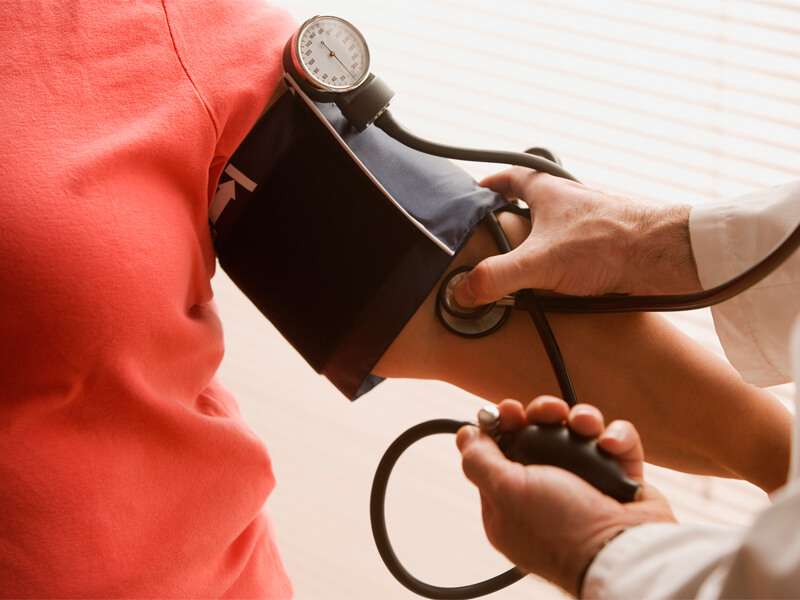
Hypertension, commonly known as high blood pressure, is a frequent condition where the blood pressure in the arteries is consistently elevated. It often develops over many years and can lead to serious health complications if left untreated.
- Symptoms: Many people with hypertension may not have noticeable symptoms; however, headaches, shortness of breath, and nosebleeds can occur in severe cases.
- Causes: Factors contributing to hypertension include genetics, obesity, physical inactivity, and high salt intake.
- Diagnosis: Blood pressure is measured using a sphygmomanometer. A consistent reading of 130/80 mmHg or higher indicates hypertension.
- Treatment: Management options include lifestyle changes like diet modifications and exercise, alongside medications such as diuretics or ACE inhibitors.
- What to Expect: Regular monitoring and adjustments to treatment may be necessary based on individual responses and possible side effects.
Total control over blood pressure is crucial for reducing risks associated with heart disease and stroke.