
Dr Anil Jangir
About Me
Dr Anil Jangir
MBBS
General Physician
10 Years Experience
Biography
My Clinic
OPD Hours
| Monday | Morning | 10:00 AM | - | 02:00 PM |
| Evening | 06:00 PM | - | 09:00 PM | |
| Tuesday | Morning | 10:00 AM | - | 02:00 PM |
| Evening | 06:00 PM | - | 09:00 PM | |
| Wednesday | Morning | 10:00 AM | - | 02:00 PM |
| Evening | 06:00 PM | - | 09:00 PM | |
| Thursday | Morning | 10:00 AM | - | 02:00 PM |
| Evening | 06:00 PM | - | 09:00 PM | |
| Friday | Morning | 10:00 AM | - | 02:00 PM |
| Evening | 06:00 PM | - | 09:00 PM | |
| Saturday | Morning | 10:00 AM | - | 02:00 PM |
| Evening | 06:00 PM | - | 09:00 PM | |
| Sunday | Morning | 10:00 AM | - | 02:00 PM |
| Evening | 06:00 PM | - | 09:00 PM |
Treatments
Specialised care and treatments offered
RESPIRATORY INFECTIONS MANAGEMENT
Respiratory infections encompass a range of conditions affecting the airways and lungs. These include common colds, influenza, bronchitis, and pneumonia which can be viral or bacterial in origin. Early recognition leads to better outcomes.
- Main Symptoms: Typical signs include cough, fever, sore throat, fatigue, and breathing difficulties depending on the severity of the infection.
- Disease Identification: A thorough physical examination along with patient history is essential; sometimes chest X-rays or sputum tests are involved for accurate diagnosis.
Treatment options vary from rest and hydration for mild cases to antibiotics for bacterial infections.
- A graded approach: involves monitoring recovery closely. Your outlook: Most respiratory infections resolve without complications when addressed promptly through appropriate care management.
ALLERGY TESTING AND MANAGEMENT
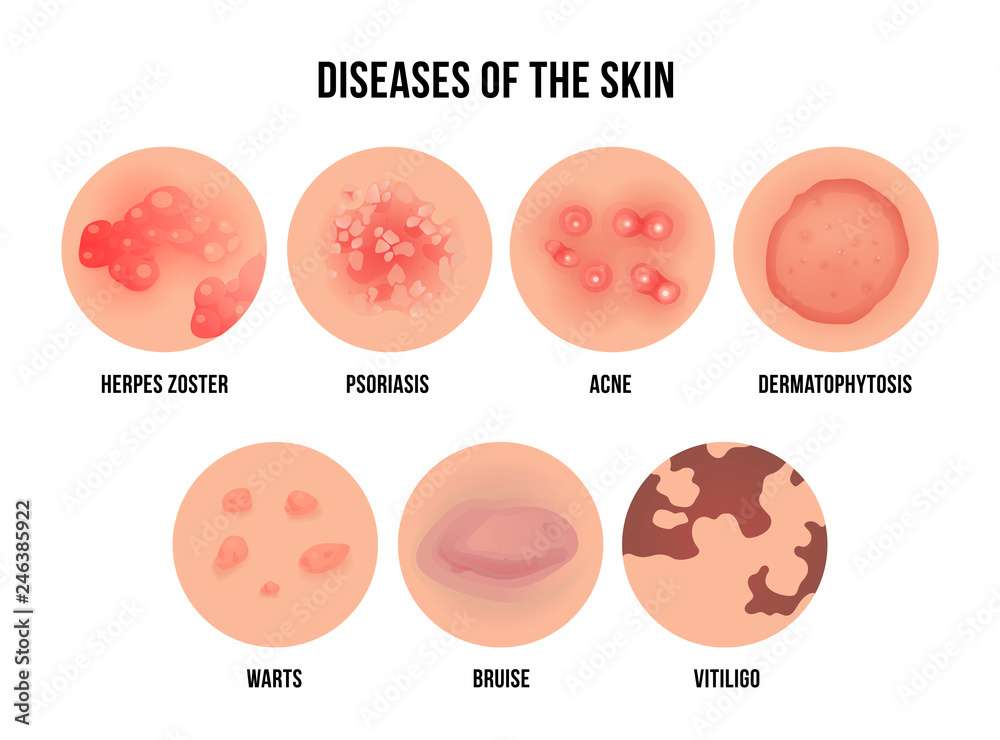
Allergies occur when the immune system reacts adversely to specific substances known as allergens. Common allergens include pollens, pet dander, certain foods, and insect stings. Understanding one’s allergies is fundamental for effective management.
- Common Symptoms: Allergic reactions can cause sneezing, itching, skin rash, or even more severe responses like anaphylaxis in some cases.
- Differentiation: Allergy testing involves skin prick tests or blood tests that assess specific IgE antibodies related to suspected allergens.
- Treatment options: Managing allergies commonly includes avoiding the allergen whenever possible and using medications such as antihistamines or corticosteroids for relief from symptoms.
Pursuing proper allergy management can enhance daily living by reducing exposure to triggers and preventing uncomfortable reactions.
DIABETES SCREENING AND MANAGEMENT

Diabetes is a metabolic disorder that results in elevated blood sugar levels due to insulin resistance or insufficient insulin production. Early detection and ongoing management are crucial for preventing complications.
- Risk Factors: Prediabetes, obesity, family history, and sedentary lifestyle significantly increase the risk of developing diabetes.
- Diagnosis: Blood tests such as fasting glucose levels or HbA1c tests are used to diagnose diabetes.
- Treatment strategies: Management often includes dietary changes, regular physical activity, and possibly medication like metformin to control blood sugar levels.
- Monitoring: Patients should regularly check their blood sugar levels at home and have periodic check-ups with their healthcare provider.
Catching diabetes early allows for effective management strategies that can greatly improve quality of life and reduce long-term health risks.
HYPERTENSION MANAGEMENT
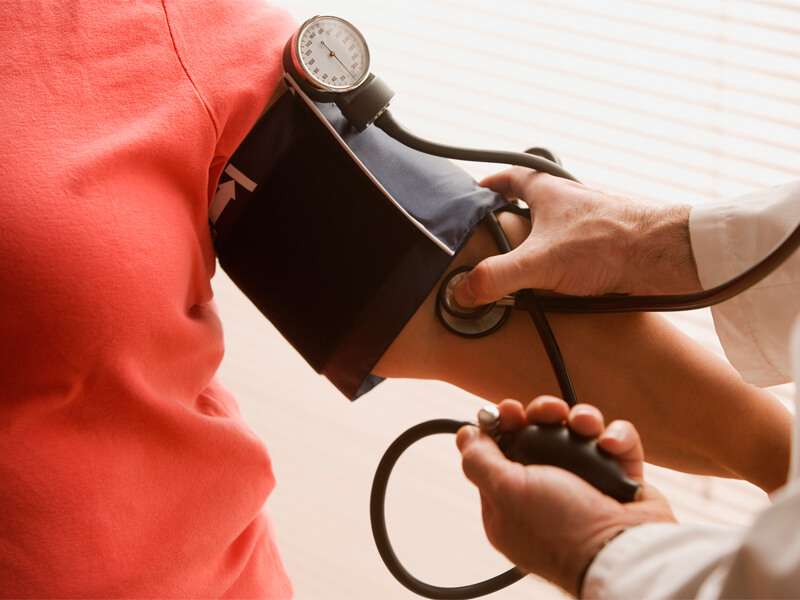
Hypertension, commonly known as high blood pressure, is a chronic condition that can lead to severe health complications if not managed properly. It often manifests without noticeable symptoms, making regular monitoring essential.
- Symptoms: Many individuals with hypertension may experience headaches, shortness of breath, or nosebleeds, but these symptoms typically occur only in cases of severe hypertension.
- Diagnosis: Blood pressure is measured using a sphygmomanometer; consistent readings above 130/80 mmHg usually indicate hypertension.
- Treatment options: Treatment may include lifestyle modifications such as diet and exercise alongside medications like diuretics or ACE inhibitors.
- Management: Regular follow-up visits are essential to monitor blood pressure and adjust treatment as necessary.
- Expectations: With effective management, most patients can lead healthy lives while controlling their blood pressure levels.
Early detection and proactive management of hypertension are key to preventing serious health issues such as heart disease and stroke.