
Dr Anil K Sharma
About Me
Dr Anil K Sharma
Cardiologist
Biography
My Clinic
OPD Hours
| Tuesday | Morning | 10:00 AM | - | 02:00 PM |
| Evening | 06:00 PM | - | 09:00 PM | |
| Wednesday | Morning | 10:00 AM | - | 02:00 PM |
| Evening | 06:00 PM | - | 09:00 PM | |
| Thursday | Morning | 10:00 AM | - | 02:00 PM |
| Evening | 06:00 PM | - | 09:00 PM | |
| Friday | Morning | 10:00 AM | - | 02:00 PM |
| Evening | 06:00 PM | - | 09:00 PM | |
| Saturday | Morning | 10:00 AM | - | 02:00 PM |
| Evening | 06:00 PM | - | 09:00 PM | |
| Sunday | Morning | 10:00 AM | - | 02:00 PM |
| Evening | 06:00 PM | - | 09:00 PM | |
| Thursday | Morning | 10:00 AM | - | 02:00 PM |
| Evening | 06:00 PM | - | 09:00 PM |
Treatments
Specialised care and treatments offered
CORONARY ANGIOGRAPHY

Coronary angiography is primarily utilized for visualizing coronary arteries to identify blockages that could lead to serious complications like heart attacks.
- This procedure might be recommended following symptoms like severe chest pains associated with angina or unexplained fatigue during physical activities.
- A diagnostic approach generally begins with an assessment including risk factors followed by this imaging technique conducted under local anesthesia with intravenous sedation if needed.
- Treatment following detection could entail immediate interventions such as stenting alongside proper medication regimes aimed toward risk reduction going forward.
- Patients will likely need post-procedure monitoring in care facilities before discharge after successful completion depending upon individual situations.
The detailed information gathered serves as an instrumental factor guiding future management steps ensuring improved outcomes down the line!
BLOOD PRESSURE MONITORING
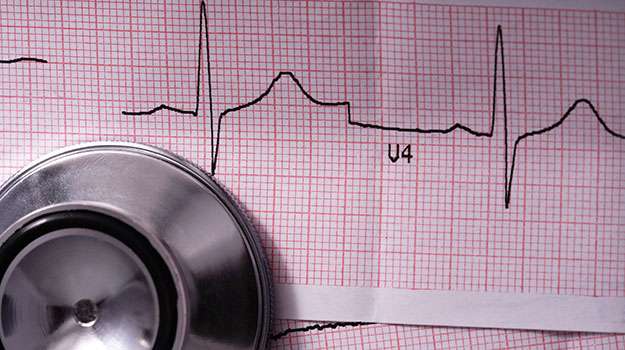
Continuous blood pressure monitoring offers valuable information regarding cardiovascular health by tracking fluctuations in blood pressure over time using automated devices
- Symptoms such as headaches or fatigue might prompt regular checks for high blood pressure (hypertension) detection over several visits or days at home
- A physician usually diagnoses hypertension based on multiple readings taken at different times under varying conditions
- Treatment often includes lifestyle changes such as diet modification, exercise regimen planning, along with medications where necessary
- This method allows patients flexibility in measuring their condition through cuff devices conveniently at home
Your ability to stay informed empowers better management of your cardiovascular health through consistent observation!
CARDIAC CATHETERIZATION
Cardiac catheterization is an invasive procedure used to diagnose and treat certain cardiovascular conditions by threading a catheter through blood vessels into the heart.
- This procedure may be performed if symptoms like chest pain or severe shortness of breath indicate potential blockages in coronary arteries.
- Diagnosis often requires imaging techniques such as fluoroscopy used during catheterization itself to visualize blood flow within the heart's chambers and vessels.
- Treatment options arising from findings could involve balloon angioplasty or stent placement to alleviate blockages found during the procedure.
- The recovery period generally involves monitoring in a hospital setting for several hours following completion of the procedure.
This approach provides direct insights into structural issues that may affect heart performance significantly.
HOLTER MONITOR
A Holter monitor is a portable device that tracks heart activity over 24-48 hours. It's crucial for detecting arrhythmias and other cardiac anomalies outside of a clinical setting.
- Patients might experience symptoms like palpitations or dizziness leading to the use of this monitor for further analysis.
- The diagnosis process includes attaching electrodes to the chest and wearing them with daily activities without restriction.
- Depending on results, treatments may involve lifestyle changes or specific anti-arrhythmic medications tailored to the issue identified.
- Patients can expect detailed guidance on maintaining their normal routine while recording crucial data during this period.
This continuous monitoring plays an essential role in understanding transient heart events effectively.
STRESS TEST
A stress test evaluates how well the heart performs under physical stress. It helps identify issues that might not be visible when the body is at rest.
- Common symptoms prompting a stress test include fatigue, irregular heartbeat, or pain during exertion.
- This test often includes monitoring vital signs while the patient exercises on a treadmill or stationary bike.
- If abnormalities are detected, possible treatment options may include further testing or medication adjustments.
- Patients should expect close monitoring throughout the test, which typically lasts 30 minutes.
The results provide invaluable data regarding overall cardiovascular fitness and any potential problems that could arise during physical activity.
ECHOCARDIOGRAM
An echocardiogram is a non-invasive imaging test that uses sound waves to create pictures of the heart's structures and function. This test is essential for diagnosing various cardiac conditions.
- Symptoms that may lead to an echocardiogram include shortness of breath, chest pain, or unexplained fainting episodes.
- Diagnosis involves a physician assessing the patient's history and conducting a physical examination before recommending this ultrasound procedure.
- Treatment plans can range from lifestyle modifications to medications, depending on findings from the echocardiogram.
- A patient can expect to lie on an exam table while gel is applied to the chest, and a transducer will be moved around to capture images.
In general, echo tests are safe with no known side effects, providing crucial insights into heart health.