
Dr Anil K Sharma
About Me
Dr Anil K Sharma
MBBS
Podiatrist
10 Years Experience
Biography
My Clinic
OPD Hours
| Monday | Morning | 10:00 AM | - | 02:00 PM |
| Evening | 06:00 PM | - | 09:00 PM | |
| Tuesday | Morning | 10:00 AM | - | 02:00 PM |
| Evening | 06:00 PM | - | 09:00 PM | |
| Wednesday | Morning | 10:00 AM | - | 02:00 PM |
| Evening | 06:00 PM | - | 09:00 PM | |
| Thursday | Morning | 10:00 AM | - | 02:00 PM |
| Evening | 06:00 PM | - | 09:00 PM | |
| Friday | Morning | 10:00 AM | - | 02:00 PM |
| Evening | 06:00 PM | - | 09:00 PM | |
| Saturday | Morning | 10:00 AM | - | 02:00 PM |
| Evening | 06:00 PM | - | 09:00 PM | |
| Sunday | Morning | 10:00 AM | - | 02:00 PM |
| Evening | 06:00 PM | - | 09:00 PM |
Treatments
Specialised care and treatments offered
SPORTS INJURIES MANAGEMENT
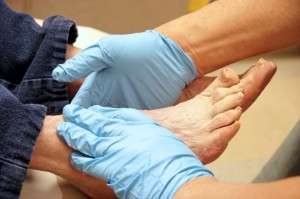
A variety of sports-related injuries affect athletes’ feet due to frequent stress impacts during physical activity. Conditions range from sprains to fractures resulting from acute trauma or overuse syndromes leading to chronic problems like tendinitis..
- Symptoms comprise swelling , bruising , reduced mobility , particularly post-injury ;
- Diagnosis primarily ensures identifying specific injury types through evaluations alongside necessary imaging examinations .
- Management usually involves rest , ice-based therapies , compression techniques , possible immobilization options - occasionally supplemented by rehabilitative therapies down-the-line .
- Effective management typically encourages timely recovery enabling athletes return swiftly participating back into their sport safely .
FOOT DEFORMITY CORRECTION
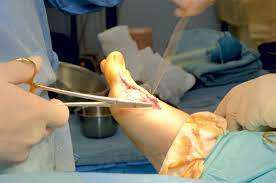
Various congenital or acquired conditions can lead to foot deformities that impact alignment and function. Common issues include flat feet or high arches presenting challenges in walking comfortably.'
- Pain during prolonged standing or walking might indicate underlying structural issues affecting posture and gait patterns related to these deformities.
- The diagnostic process often includes comprehensive examinations alongside imaging studies like X-rays for accurate assessments of bone structure .
- Treatment could involve custom orthotics designed specifically for supportive correction; surgical options exist for more severe deformities requiring realignment procedures .
- Individuals may anticipate enhanced comfort post-treatment alongside improvements in functional activities as recovery progresses .
Addressing foot deformities effectively improves daily living experiences while significantly contributing to long-term health.
NEUROMA TREATMENT
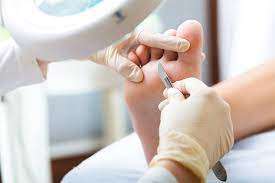
This painful condition occurs when a nerve becomes compressed between bones in the foot, most commonly between the third and fourth toes. It manifests as intense pain in the ball of the foot accompanied by tingling sensations in surrounding areas.
- The primary symptoms include burning pain that intensifies with activity and numbness between toes.
- A proper diagnosis involves evaluating symptoms through physical exams and advanced imaging studies if needed for confirmation.
- Treatment options vary from conservative measures like padded footwear to surgical interventions aimed at nerve decompression or removal if conservative therapies fail to provide relief.
- Recovery expectations depend on treatment choice but generally involve gradual return to regular activities after adequate healing time followed by physical therapy.
Efficacy in treating neuromas significantly enhances one’s overall mobility and reduces chronic discomfort associated with this condition over time.
ACHILLES TENDON REPAIR
The Achilles tendon connects the calf muscles to the heel bone, playing a vital role in walking and running. Injuries here can severely limit mobility and cause significant pain.
- Affected individuals often report symptoms like swelling, tenderness along the tendon, or difficulty in extending their foot.
- Diagnosis usually involves a physical examination followed by ultrasound or MRI scans for deeper insights into tendon integrity.
- Treatment strategies may include rest and rehabilitation exercises; however, surgical repair may be necessary for severe tears or ruptures.
- Post-operative care typically includes immobilization followed by gradual rehabilitation exercises to restore strength and flexibility.
An appropriate approach to managing Achilles tendon injuries can facilitate a return to normal activities while minimizing future risks.
PLANTAR FASCIITIS TREATMENT
This condition involves inflammation of the plantar fascia, which is the tissue connecting your heel to your toes. It commonly leads to heel pain, especially with first steps in the morning.
- Common symptoms include sharp pain at the bottom of the foot near the heel.
- A diagnosis typically involves a clinical evaluation and sometimes imaging techniques to rule out other causes.
- Treatment may include rest, ice application, stretching exercises, and custom orthotics; in persistent cases, a podiatrist might recommend corticosteroid injections or surgery.
- Patients can expect gradual relief as they follow their treatment plan consistently.
Efficacious management of plantar fasciitis contributes significantly to improved quality of life for those affected.
BUNION SURGERY
Bunions are deformities that occur at the base of the big toe, often causing pain and discomfort. They can be caused by genetic factors, high heels, or other foot abnormalities.
- Symptoms include swelling, redness, and a bulging bump on the side of the foot.
- A healthcare provider may diagnose bunions through physical examination and imaging tests such as X-rays.
- Treatment options range from non-surgical methods like orthotics and pain relievers to surgical intervention for severe cases.
- After surgery, patients can expect a recovery period that may involve physical therapy to restore mobility.
Understanding bunions and their management is essential for maintaining foot health and comfort over time.