
Dr Anil Kharat
About Me
Dr Anil Kharat
MBBS
Obstetrician
40 Years Experience
Biography
My Clinic
OPD Hours
| Monday | Morning | 09:00 AM | ||
| Evening | 09:00 PM | |||
| Tuesday | Morning | 09:00 AM | ||
| Evening | 09:00 PM | |||
| Wednesday | Morning | 09:00 AM | ||
| Evening | 09:00 PM | |||
| Thursday | Morning | 09:00 AM | ||
| Evening | 09:00 PM |
Treatments
Specialised care and treatments offered
MENSTRUAL IRREGULARITIES TREATMENT

Menstrual irregularities encompass a range of conditions where normal menstrual cycles become disrupted. Understanding the underlying causes greatly aids in effective treatment planning.
- Common symptoms might include missed periods, excessive bleeding, or painful menstruation (dysmenorrhea).
- Diagnosis often requires thorough examinations alongside hormonal assessments to pinpoint reasons behind abnormalities .
- Treatment may involve lifestyle changes such as stress management techniques alongside possible hormonal therapies targeted toward restoring regularity.
- Regular follow-up ensures progress tracking while adjusting treatment plans as necessary based on patient response.
With proactive management approaches available today; many find relief from menstrual irregularities enhancing quality of life .
FERTILITY AWARENESS METHODS
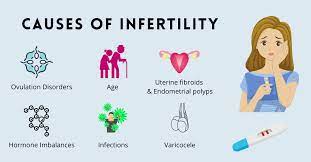
Fertility awareness methods (FAM) empower women to understand their menstrual cycles better. These techniques can be useful whether attempting to conceive or avoid unwanted pregnancies.
- Bodily signals such as changes in basal body temperature or cervical mucus can indicate ovulation periods effectively when tracked consistently over time.
- This method encourages women to become more familiar with their bodies' natural rhythms, enhancing reproductive health knowledge overall.
- No medical interventions are needed; thus FAM offers an accessible way to grasp fertility without pharmaceutical reliance or procedures involved in assisted reproduction technologies (ART).
By learning these signs, individuals can make informed decisions regarding their reproductive health goals effectively.'
NUTRITIONAL COUNSELING DURING PREGNANCY
Nutritional counseling plays a significant role in ensuring both maternal health and optimal fetal development. A tailored diet plan can address specific dietary needs during this crucial time.
- A variety of nutrients including folic acid, iron, calcium, and omega-3 fatty acids are vital for fetal growth and development.
- Counselors may suggest meal planning strategies to manage weight gain while ensuring balanced nutrition throughout pregnancy stages.
- Simplified guidelines often involve food safety tips to avoid risks associated with certain foods during pregnancy.
- This counseling role extends beyond dietary suggestions; it also assists with addressing any cravings or aversions experienced by expectant mothers.
A solid nutritional foundation supports a healthier pregnancy journey with better outcomes for both mother and child.
POSTPARTUM RECOVERY
The postpartum period requires dedicated attention to recovery after childbirth. Understanding what to expect can help new mothers navigate this transition more comfortably.
- Mild mood swings or feelings of sadness following delivery are common, but persistent symptoms may indicate postpartum depression that requires attention.
- Physical recovery involves managing pain, bleeding, and other bodily changes that follow birthing.
- Nutritional support through a balanced diet can facilitate healing and energy replenishment during this demanding time.
- Caring for the newborn while recovering can challenge mental health; therefore, seeking support from family or professionals is encouraged.
Taking time for oneself post-delivery is crucial for overall well-being in the initial weeks following childbirth.
PRENATAL CARE
Prenatal care is essential for monitoring the health of both the mother and the developing fetus throughout pregnancy. Regular check-ups help ensure early detection of potential complications.
- This care includes routine screenings for conditions like anemia or infections that could affect pregnancy outcomes.
- Expectant mothers are advised on nutrition, exercise, and lifestyle adjustments to support fetal development.
- Counseling about genetic testing options and childbirth education forms an integral part of prenatal visits.
- The frequency of visits usually increases as pregnancy progresses to more closely monitor maternal and fetal health.
A comprehensive prenatal care approach contributes significantly to positive pregnancy experiences and outcomes for mothers and their babies.
GESTATIONAL DIABETES MANAGEMENT
Gestational diabetes is a condition that can develop during pregnancy, characterized by high blood sugar levels. This condition affects how your body processes glucose and can impact both the mother and the baby's health if not managed properly.
- Symptoms may include increased thirst, frequent urination, fatigue, and blurred vision.
- Diagnosis is typically made through blood tests conducted at various stages of pregnancy.
- Management often involves diet modifications, physical activity, and regular monitoring of blood sugar levels.
- In some cases, insulin therapy may be necessary to keep blood glucose within normal ranges.
- Following a structured plan helps in maintaining healthy glucose levels, which is vital for the well-being of both mother and baby.
With proper management strategies in place, most women with gestational diabetes can have a healthy pregnancy and delivery.