
Dr Anil Kumar
About Me
Dr Anil Kumar
Cardiologist
Biography
My Clinic
OPD Hours
| Tuesday | Morning | 10:00 AM | - | 02:00 PM |
| Evening | 06:00 PM | - | 09:00 PM | |
| Wednesday | Morning | 10:00 AM | - | 02:00 PM |
| Evening | 06:00 PM | - | 09:00 PM | |
| Thursday | Morning | 10:00 AM | - | 02:00 PM |
| Evening | 06:00 PM | - | 09:00 PM | |
| Friday | Morning | 10:00 AM | - | 02:00 PM |
| Evening | 06:00 PM | - | 09:00 PM | |
| Saturday | Morning | 10:00 AM | - | 02:00 PM |
| Evening | 06:00 PM | - | 09:00 PM | |
| Sunday | Morning | 10:00 AM | - | 02:00 PM |
| Evening | 06:00 PM | - | 09:00 PM | |
| Thursday | Morning | 10:00 AM | - | 02:00 PM |
| Evening | 06:00 PM | - | 09:00 PM |
Treatments
Specialised care and treatments offered
ELECTROPHYSIOLOGY STUDY

An electrophysiology (EP) study examines the electrical conduction pathways within your heart. This procedure helps healthcare professionals understand arrhythmias—irregular heartbeats—that can lead to serious complications when left untreated>.
- If you experience symptoms like dizziness, rapid heartbeat, or fainting spells frequently; these signs might warrant an EP study diagnosis evaluation got their origins understood thoroughly.
- This information aids doctors towards establishing effective management strategies tailored specifically based upon individually experienced arrhythmic patterns discovered through consulting input derived straight from patient reports themselves!
CARDIAC CT SCAN
A cardiac CT scan is an advanced imaging technique used primarily for evaluating coronary artery disease. It provides high-resolution images that help identify blockages or other abnormalities in your cardiovascular system effectively without invasive procedures.
- This imaging method can detect calcifications, which signal calcium deposits within arteries—indicative of early stages of coronary artery disease even before symptoms manifest greatly.
- The diagnosis involves scanning while using X-rays combined with computer technology; this results in cross-sectional images that create a comprehensive view of your cardiovascular anatomy.
- Treatment suggestions based on these images could range from routine monitoring to surgical interventions if significant obstructions are detected post-scan analysis.
A cardiac CT scan serves as a proactive measure leading to tailored preventative strategies that enhance overall cardiovascular health management plans moving forward!
HOLTER MONITORING
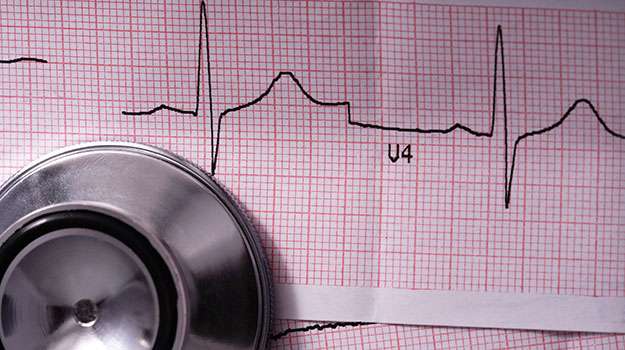
Holter monitoring is a 24-hour ECG recording that allows continuous assessment of your heart's electrical activity over an extended period. This portable device captures data on any irregularities that might occur throughout daily activities.
- This technique is beneficial for identifying sudden palpitations, dizziness, or fainting spells that may not show up during a standard ECG exam which usually lasts just a few minutes.
- A physician interprets the results by comparing them against typical patterns noted within similar demographics; recognizing discrepancies helps in making more informed treatment decisions.
- Treatment plans developed based on findings might include medication adjustments or recommendations for further testing if needed to manage discovered conditions optimally.
The convenience of Holter monitoring makes it a valuable tool for enhancing cardiac care by providing insights into transient symptoms over time without hospital visits.
STRESS TESTING
A stress test evaluates how well your heart performs under physical exertion. It is commonly conducted to assess cardiovascular fitness or diagnose possible coronary artery disease. By observing how your heart reacts to exercise, healthcare providers gain valuable insights into its functionality.
- You may be subjected to symptoms like chest pain or excessive fatigue during the test, which can indicate underlying issues.
- The assessment typically involves monitoring your heart rate, blood pressure, and ECG readings before, during, and after exercise efforts to gauge performance levels accurately.
- If abnormalities are detected, follow-up treatments may include lifestyle modifications or additional diagnostics such as angiography.
- The entire process usually lasts between 30 minutes to an hour depending on individual responses during testing.
A stress test is instrumental in preventive cardiology as it aids in early detection of potential problems before they escalate into serious conditions.
ECHOCARDIOGRAM
An echocardiogram is an ultrasound test that provides detailed images of the heart's structure and function. By using sound waves, this non-invasive procedure can reveal both the pumping capability and size of the heart chambers.
- This test is often recommended for patients with symptoms such as sudden fatigue, swelling in legs or abdomen, and irregular heartbeat.
- A thorough diagnosis usually includes assessing valve function and blood flow through various heart regions during different phases of the heartbeat.
- Treatment often revolves around managing underlying issues identified during the echocardiogram through medication or lifestyle changes.
- The procedure itself is painless and generally takes less than an hour to complete.
Echocardiograms are essential tools in cardiology for monitoring heart health and diagnosing potential cardiac issues early on.
CORONARY ANGIOGRAPHY
Coronary angiography is a diagnostic procedure used to visualize the coronary arteries. It helps in identifying blockages or narrowing that may lead to heart problems. This test is crucial for evaluating the severity of heart disease.
- Symptoms of coronary artery disease typically include chest pain, shortness of breath, and fatigue during physical activity.
- The process of diagnosis involves imaging techniques where a contrast dye is injected into the coronary arteries, allowing for clear images to be captured via X-ray.
- Treatment options may involve lifestyle changes, medications, or more invasive procedures like angioplasty if significant blockages are found.
- During the procedure, patients can expect to feel minimal discomfort as they will be under local anesthesia.
Overall, coronary angiography plays a pivotal role in heart disease management and helps guide further treatment decisions based on individual findings.