
Dr Anil Kumar Sax
About Me
Dr Anil Kumar Sax
MD
Anesthesiologist
10 Years Experience
Biography
My Clinic
OPD Hours
| Monday | Morning | 10:00 AM | - | 02:00 PM |
| Evening | 06:00 PM | - | 09:00 PM | |
| Tuesday | Morning | 10:00 AM | - | 02:00 PM |
| Evening | 06:00 PM | - | 09:00 PM | |
| Wednesday | Morning | 10:00 AM | - | 02:00 PM |
| Evening | 06:00 PM | - | 09:00 PM | |
| Thursday | Morning | 10:00 AM | - | 02:00 PM |
| Evening | 06:00 PM | - | 09:00 PM | |
| Friday | Morning | 10:00 AM | - | 02:00 PM |
| Evening | 06:00 PM | - | 09:00 PM | |
| Saturday | Morning | 10:00 AM | - | 02:00 PM |
| Evening | 06:00 PM | - | 09:00 PM | |
| Sunday | Morning | 10:00 AM | - | 02:00 PM |
| Evening | 06:00 PM | - | 09:00 PM |
Treatments
Specialised care and treatments offered
INTRAVENOUS (IV) SEDATION
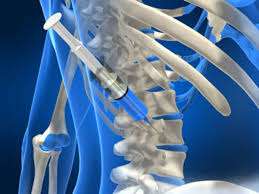
IV sedation offers quick onset relief from anxiety during various medical procedures. Administered through an intravenous line, it enables effective control over the sedation level tailored specifically for each patient's needs.
- {< br /> Administration Techniques: Doses can be adjusted seamlessly throughout the procedure based on patient responses.
- Monitoring Safety: Close observation during IV administration minimizes potential issues arising from overwhelming effects. < br /> Recovery Times: Most individuals enjoy faster recovery times compared to traditional sedatives after completing treatments involving IV administration.
This method provides both comfort and effectiveness in clinical environments where anxiety reduction plays a prominent role in successful outcomes.
PERIOPERATIVE MEDICINE

Perioperative medicine encompasses the care provided before, during, and after surgical procedures. Effective perioperative management aims at optimizing patients' health outcomes related to their surgical experience.
- {{
- < Post-Surgical Care: < Managing complications early ensures smoother recoveries for our patients.>
Anesthesia Assessments:null {{
A thorough evaluation helps identify pre-existing conditions that might impact surgery. null
Comprehensive care approaches significantly contribute toward reducing surgical risks associated with various medical conditions.
SEDATION FOR DIAGNOSTIC PROCEDURES

Sedation techniques are frequently employed during diagnostic procedures to help keep patients calm and comfortable. This process is essential in ensuring that accurate diagnoses can be made without distressing the patient.
- Adequate Sedation: The level of sedation will depend on the type of procedure being performed and the individual tolerance level of each patient.
- Safety Protocols: Monitoring vital signs throughout helps maintain patient safety and comfort during these evaluations;
POSTOPERATIVE PAIN MANAGEMENT

Effective postoperative pain management is crucial for patient recovery and satisfaction. Techniques vary based on the type of surgery performed and individual patient needs.
- Pain Assessment: Regular pain assessments help tailor analgesic regimens effectively post-surgery.
- Treatment Options: Approaches may include oral medications, regional blocks, or continuous infusion systems depending on surgery severity.
- Complications: Unmanaged pain can lead to complications such as delayed mobility or increased anxiety levels in patients.
The goal of this management strategy is not only to alleviate pain but also to enhance overall recovery experiences after surgical procedures.
MONITORED ANESTHETIC CARE (MAC)

Monitored Anesthetic Care involves a combination of sedation and local anesthesia. This method is particularly beneficial for outpatient procedures where quick recovery is desired.
- Sedation Levels: The sedation may range from minimal to deep, depending on the procedure's requirements.
- Indications: Typically used for diagnostic procedures like endoscopies or minor surgeries where full general anesthesia may not be necessary.
- Evaluation: A comprehensive assessment determines an appropriate level of sedation tailored to individual needs.
- Monitoring: Continuous monitoring of vital signs ensures patient safety throughout the procedure.
This technique enhances comfort while allowing patients to remain responsive as needed during interventions.
REGIONAL ANESTHESIA

Regional anesthesia is a technique used to block sensation in a specific area of the body. This is accomplished by injecting anesthetic agents near a group of nerves, providing effective pain relief during surgical procedures and postoperative care.
- Types: Common types include nerve blocks, spinal, and epidural anesthesia.
- Indications: It’s often indicated for lower limb surgeries or when general anesthesia poses higher risks.
- Diagnosis: Patients are evaluated based on medical history and physical examinations to determine suitability.
- Management: After administration, monitoring is crucial to ensure effective pain control and assess any side effects.
- Recovery: Most patients experience quicker recovery times compared to general anesthesia, with less postoperative nausea.
This approach allows for targeted analgesia while minimizing systemic exposure to anesthetics.