
Dr Anil Matai
About Me
Dr Anil Matai
DO
Ophthalmologist
Biography
My Clinic
OPD Hours
| Monday | Morning | 10:00 AM | - | 02:00 PM |
| Evening | 06:00 PM | - | 09:00 PM | |
| Tuesday | Morning | 10:00 AM | - | 02:00 PM |
| Evening | 06:00 PM | - | 09:00 PM | |
| Wednesday | Morning | 10:00 AM | - | 02:00 PM |
| Evening | 06:00 PM | - | 09:00 PM | |
| Thursday | Morning | 10:00 AM | - | 02:00 PM |
| Evening | 06:00 PM | - | 09:00 PM | |
| Friday | Morning | 10:00 AM | - | 02:00 PM |
| Evening | 06:00 PM | - | 09:00 PM | |
| Saturday | Morning | 10:00 AM | - | 02:00 PM |
| Evening | 06:00 PM | - | 09:00 PM | |
| Sunday | Morning | 10:00 AM | - | 02:00 PM |
| Evening | 06:00 PM | - | 09:00 PM |
Treatments
Specialised care and treatments offered
OCULAR EMERGENCY PROTOCOLS
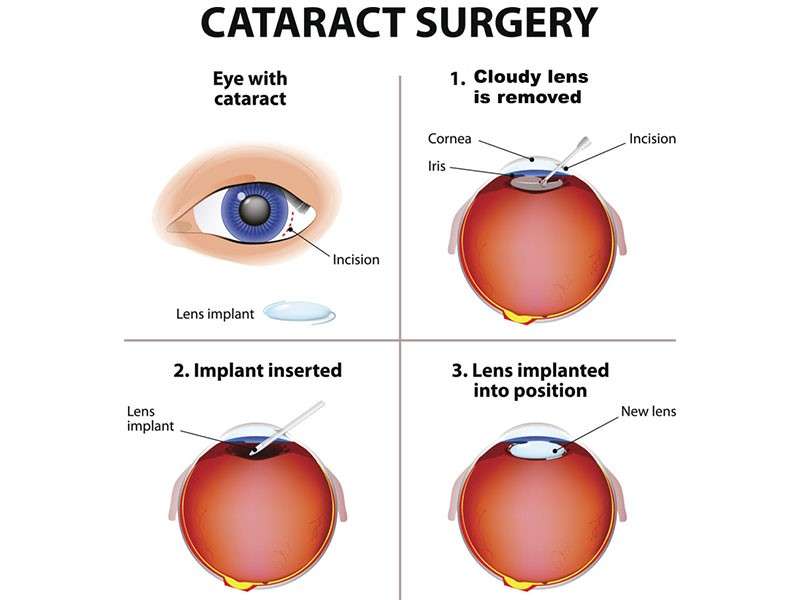
An ocular emergency encompasses situations requiring immediate attention like trauma-related injuries affecting eyesight drastically without prompt care could lead irreversible outcomes thereon!
- Symptoms grappling urgent scenarios include sudden loss sight after impact incidents among other indicators where rapid intervention becomes necessary diagnostics ;
- Diagnosis typically entails comprehensive detailed assessments charts encompassing past medical histories existing conditions tailored presenting complaints depth narratively guided interactions intrigued patient experiences ensure precise understandings incorporating future treatments accordingly respectful concerns expressed openly through shared dialogues ;
- Management Options adjust extensively depending unique presentations – involving medication prescriptions wound stabilizations even referrals surgical specialists intervene deep-seated components impact significantly overall quality life affected individuals ;
- Expectation following engagements varies profoundly notably resolved cases often restore functional capabilities alongside enhancing emotional wellbeing among newly acquainted realities thereafter continuing collaborations focus holistic approaches within settlements built rapport trust levels sustained optimally moving forward .
Reaching out swiftly regarding ocular emergencies becomes paramount safeguarding precious visions potential restoration spans chronicles awaiting adaptations adjustments journeys commence one another entwined discovery frameworks therein unravel unanticipated horizons yet explored !
FOREIGN BODY REMOVAL
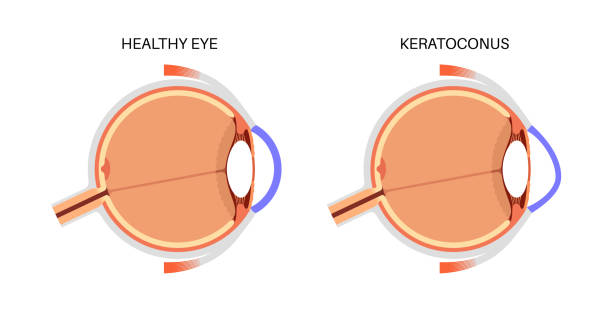
The presence of a foreign body in the eye can lead to discomfort ranging from mild irritation to severe pain. Quick intervention is essential to prevent complications such as infections or scarring.
- You may notice symptoms, including persistent tearing, redness, blurred vision, or pain that intensifies with blinking or movement of the eye itself;
- A thorough examination allows practitioners to locate foreign objects using specialized equipment under magnification procedures ensuring accuracy during assessment;
- Treatment usually involves safe extraction techniques tailored specific towards type object lodged within either using sterile instruments directly removing them carefully along ensuring minimal damage adjacent structures;
- The prognosis for most cases is good; following removal patients generally feel significant relief almost immediately but should follow aftercare instructions closely provided afterward preventing secondary problems arising post-procedure;
If you suspect there’s something stuck inside your eyes don’t hesitate reaching out urgency seeking assistance – timely action matters!
UVEITIS
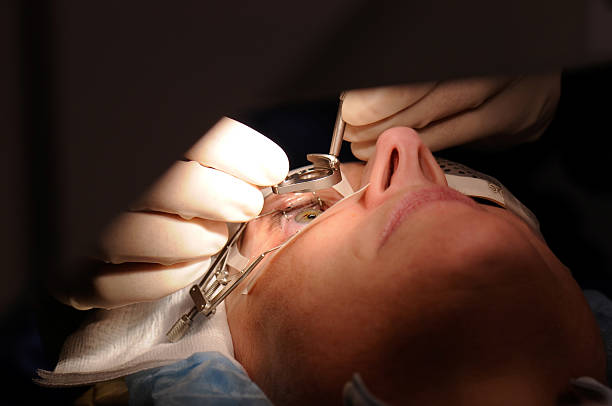
This inflammation affects the uvea, which can cause redness and pain. Uveitis can be caused by infections or autoimmune disorders and may affect vision according to severity and duration without proper care.
- The most common symptoms include blurred vision, dark spots in vision (floaters), light sensitivity, and redness of the eye.
- A comprehensive eye exam helps establish a diagnosis; imaging tests like an OCT scan might be utilized as well for further assessment.
- Treatment options range from corticosteroids to reduce inflammation or medication addressing any underlying issues causing uveitis. Sometimes surgery may be required based on severity;
- If treated timely with appropriate therapy expect stabilization or improvement of vision while also needing regular follow-up visits for monitoring inflammation levels after initial treatment starts;
If you’re experiencing any symptoms indicating uveitis or have concerns about your eye health reach out immediately for professional guidance!
CORNEAL ABRASION
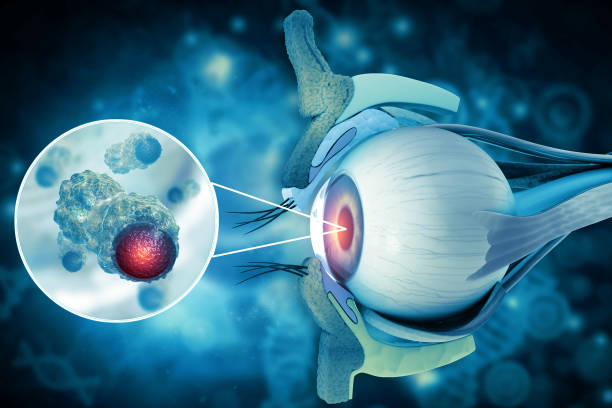
A corneal abrasion refers to a scratch on the surface of the cornea that can result from various causes such as injury or foreign objects. It's characterized by sharp pain and discomfort in the eye.
- The primary symptoms include redness, tearing, sensitivity to light, and a feeling that something is in the eye.
- Your ophthalmologist will conduct an examination with fluorescein dye which highlights areas of abrasion on the cornea for accurate detection.
- Treatment often includes antibiotic eye drops to prevent infection and sometimes ointments for pain relief; most abrasions heal within a few days with proper care.
- You should avoid rubbing your eyes during healing as this may worsen irritation.
If you suspect you've scratched your cornea, consult an eye care professional promptly for evaluation and management strategies.
RETINAL DETACHMENT
This serious condition occurs when the retina separates from the underlying tissue. It often presents suddenly and can lead to permanent vision loss without prompt treatment.
- Common symptoms include flashes of light, floaters in your vision, or a shadow over part of your visual field.
- A thorough eye exam helps in diagnosing retinal detachment by assessing retinal health and visual acuity.
- Treatment usually involves surgery to reattach the retina or laser therapy to seal tears to prevent further detachment.
- Patients undergoing surgery may experience immediate improvement in symptoms but will need follow-up care for optimal recovery.
Early detection and treatment are key factors in protecting your eyesight from this condition.
ACUTE GLAUCOMA
Acute glaucoma is a sudden increase in intraocular pressure, leading to severe eye pain and potential vision loss. This condition requires immediate attention as it can progress rapidly.
- Symptoms may include intense eye pain, headache, nausea, vomiting, blurred vision, and seeing halos around lights.
- Diagnosis is typically confirmed through a comprehensive eye examination, including measuring the intraocular pressure and examining the cornea.
- Treatment options consist of medications to lower intraocular pressure and surgical interventions if necessary.
- Patients can expect relief from symptoms once treatment begins, but early intervention is crucial to prevent permanent damage.
If you experience these symptoms, seek medical help urgently to preserve your vision.