
Dr Anil P Khandeparkar
About Me
Dr Anil P Khandeparkar
General Physician
Biography
My Clinic
OPD Hours
| Tuesday | Morning | 10:00 AM | - | 02:00 PM |
| Evening | 06:00 PM | - | 09:00 PM | |
| Wednesday | Morning | 10:00 AM | - | 02:00 PM |
| Evening | 06:00 PM | - | 09:00 PM | |
| Thursday | Morning | 10:00 AM | - | 02:00 PM |
| Evening | 06:00 PM | - | 09:00 PM | |
| Friday | Morning | 10:00 AM | - | 02:00 PM |
| Evening | 06:00 PM | - | 09:00 PM | |
| Saturday | Morning | 10:00 AM | - | 02:00 PM |
| Evening | 06:00 PM | - | 09:00 PM | |
| Sunday | Morning | 10:00 AM | - | 02:00 PM |
| Evening | 06:00 PM | - | 09:00 PM | |
| Thursday | Morning | 10:00 AM | - | 02:00 PM |
| Evening | 06:00 PM | - | 09:00 PM |
Treatments
Specialised care and treatments offered
CHRONIC OBSTRUCTIVE PULMONARY DISEASE (COPD)
COPD refers collectively to a group of progressive lung diseases including emphysema & chronic bronchitis leading towards increased breathlessness & reduced lung function over time due primarily due smoking exposure/inhalation hazards within occupational settings/air pollution exacerbation potentials exist too!
- 1). Symptoms often manifest as persistent cough producing mucus along shortness experienced during daily activities impacting quality negatively overall!
- 2). Diagnosis relies heavily upon spirometry testing assessing airflow limitations alongside imaging assessments evaluating structural changes occurring inside lungs themselves!
- 3). Treatment modalities range from bronchodilators aimed at easing symptoms alongside corticosteroid therapies targeting inflammation reduction promoting improved function!
- 4). Rehabilitation programs focusing on breathing exercises enhancing physical endurance complement other traditional methods providing holistic addressing options available!
PREVENTIVE HEALTH SCREENINGS

Preventive health screenings serve as vital tools in identifying potential health issues before they escalate into more severe conditions. These evaluations encompass various assessments designed to pinpoint risk factors associated with chronic diseases like cancer or diabetes early on.
- A variety of screenings exist depending on age group & family history; common ones include cholesterol screening & mammograms alongside colonoscopy assessments starting at a certain age threshold
- The process generally involves simple lab tests followed by thorough assessments conducted either physically or through imaging techniques
- Lifestyle counseling accompanies these evaluations aiming towards enhancing overall well-being through recommended diet alterations/exercise habits based upon results obtained during visits
THYROID DISORDERS
Thyroid disorders encompass various conditions affecting the thyroid gland's ability to produce hormones necessary for metabolism regulation. Hypothyroidism (underactive) and hyperthyroidism (overactive) are the most prevalent forms encountered globally.
- Common symptoms may vary; hypothyroidism presents with fatigue, weight gain, depression while hyperthyroidism showcases weight loss, anxiety, rapid heart rate among others
- A comprehensive clinical evaluation along with blood tests measuring TSH (Thyroid Stimulating Hormone) levels helps diagnose these conditions accurately
- Treatment options might include hormone replacement therapy for hypothyroidism or antithyroid medications for hyperthyroidism aimed at restoring hormonal balance within the body
- Surgical interventions may be necessary in cases where other treatments fail or when goiter formation hampers breathing/swallowing functions
This approach not only alleviates symptoms but also improves quality of life significantly when monitored regularly by healthcare professionals who specialize in endocrinology-related issues associated with thyroid health management
ASTHMA MANAGEMENT
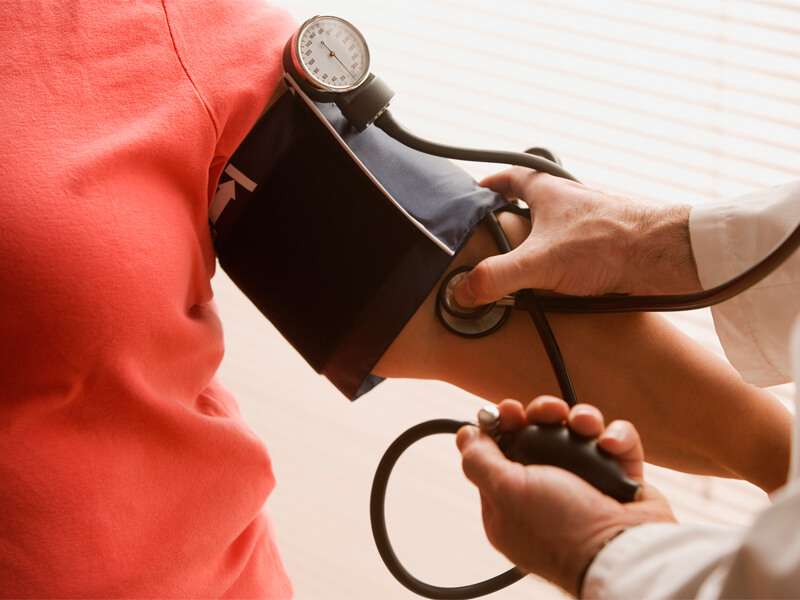
A chronic inflammatory disease of the airways known as asthma affects thousands of individuals worldwide. It leads to recurrent episodes of wheezing, breathlessness, chest tightness, and coughing.
- Common triggers include allergens (such as pollen) and irritants (like smoke), which can exacerbate symptoms significantly.
- The diagnosis usually involves clinical assessment alongside pulmonary function tests to measure airflow obstruction
- Treatment focuses on avoiding triggers and using inhaled corticosteroids or bronchodilators during acute attacks. A personalized asthma action plan aids in managing symptoms effectively.
- Patients should be educated about recognizing early warning signs that indicate worsening control over their asthma condition.
- Regular follow-ups ensure that the treatment remains effective while allowing adjustments based on symptom control and medication efficacy.
Mild asthmatic conditions can often be maintained with proper medication adherence and lifestyle adaptations that minimize exposure to known irritants or allergens.
DIABETES TYPE 2 MANAGEMENT

Type 2 diabetes is a metabolic disorder characterized by insulin resistance or insufficient insulin production. This condition can lead to elevated blood sugar levels, which may result in various complications if not managed properly.
- Symptoms often include increased thirst, frequent urination, fatigue, and blurred vision. Patients may also experience slow healing of wounds.
- A diagnosis is made through blood tests measuring glucose levels, including fasting blood sugar and HbA1c tests.
- Management strategies typically involve dietary modifications, regular physical activity, oral medications, or insulin therapy in more severe cases. Continuous glucose monitoring can assist in maintaining target levels.
- Lifestyle changes play a vital role in reversing the condition and improving overall well-being.
- The healthcare provider will work closely with patients to tailor an effective management plan based on individual needs and preferences.
With appropriate care and lifestyle adjustments, individuals with Type 2 diabetes can lead healthy lives while effectively managing their condition.
HYPERTENSION MANAGEMENT

Hypertension, commonly known as high blood pressure, is a chronic condition that can lead to serious health issues if left untreated. It is often referred to as a 'silent killer' because it may not present obvious symptoms until significant damage has occurred.
- Common symptoms include headaches, shortness of breath, and nosebleeds. However, many individuals may experience no symptoms at all.
- Diagnosis typically involves regular monitoring of blood pressure readings over time. A healthcare professional may utilize both manual and automated methods for accuracy.
- Treatment options range from lifestyle changes like diet and exercise to medications such as diuretics and ACE inhibitors. Regular follow-ups are crucial for effective management.
- It is important to monitor potential side effects of medications and adjust treatment plans accordingly.
- Patients can expect their doctor to discuss personalized strategies for managing blood pressure effectively and minimizing risks of complications.
Managing hypertension is essential for maintaining overall health. Regular check-ups with a physician can help keep this condition under control.