
Dr Anil Panwar
About Me
Dr Anil Panwar
MBBS
General Physician
10 Years Experience
Biography
My Clinic
OPD Hours
| Monday | Morning | 10:00 AM | - | 02:00 PM |
| Evening | 06:00 PM | - | 09:00 PM | |
| Tuesday | Morning | 10:00 AM | - | 02:00 PM |
| Evening | 06:00 PM | - | 09:00 PM | |
| Wednesday | Morning | 10:00 AM | - | 02:00 PM |
| Evening | 06:00 PM | - | 09:00 PM | |
| Thursday | Morning | 10:00 AM | - | 02:00 PM |
| Evening | 06:00 PM | - | 09:00 PM | |
| Friday | Morning | 10:00 AM | - | 02:00 PM |
| Evening | 06:00 PM | - | 09:00 PM | |
| Saturday | Morning | 10:00 AM | - | 02:00 PM |
| Evening | 06:00 PM | - | 09:00 PM | |
| Sunday | Morning | 10:00 AM | - | 02:00 PM |
| Evening | 06:00 PM | - | 09:00 PM |
Treatments
Specialised care and treatments offered
PREVENTIVE HEALTH CHECK-UPS
Preventive health check-ups play a crucial role in identifying potential health issues before they become significant problems. These evaluations typically include physical examinations and necessary laboratory tests tailored to individual risk factors.
- Benefits : Regular check-ups allow for early detection of diseases such as hypertension or diabetes which can lead to timely intervention.
- Components of an exam : A comprehensive assessment often includes blood pressure measurement, cholesterol screening, and other relevant diagnostics based on age/health history.
- Frequency recommendations : Individuals should aim for yearly assessments; however those with chronic conditions may require more frequent visits based on physician advice.
The emphasis placed on preventive healthcare fosters a proactive approach towards personal well-being; it empowers patients through knowledge regarding their health status while reinforcing trust in medical providers' recommendations.
GASTROESOPHAGEAL REFLUX DISEASE (GERD) TREATMENT

Gastroesophageal Reflux Disease (GERD) is a digestive disorder where stomach acid frequently flows back into the esophagus causing irritation. This condition requires careful management to prevent complications like esophagitis or Barrett's esophagus.
- Symptoms : Common symptoms include heartburn, regurgitation, chest pain, and difficulty swallowing.
- Diagnosis : A thorough medical history review along with endoscopy might be needed for accurate diagnosis in persistent cases.
- Treatment approaches : Lifestyle adjustments such as diet modification combined with medications like proton pump inhibitors usually provide relief.
- Ongoing care : Regular follow-ups ensure treatment effectiveness and monitor any progression of symptoms over time.
By addressing GERD early on through comprehensive care strategies, patients can enhance their quality of life while minimizing discomfort associated with this common ailment.
ASTHMA MANAGEMENT

Asthma is a chronic respiratory condition characterized by inflammation and narrowing of airways, resulting in difficulty breathing. Managing asthma effectively requires understanding triggers and proper treatment strategies.
- Symptoms: Wheezing, coughing, chest tightness, and shortness of breath indicate an asthma flare-up.
Ongoing asthma management can significantly improve daily activities and reduce emergency situations. Engage with healthcare providers regularly to refine your care plan based on lifestyle changes or symptom fluctuations.
THYROID DISORDERS EVALUATION
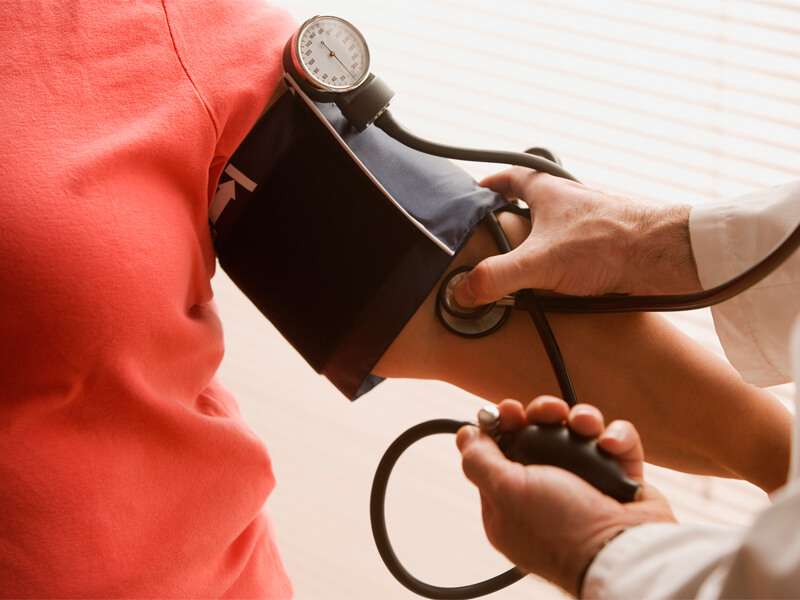
Thyroid disorders encompass various conditions affecting the thyroid gland's function. These disorders can significantly impact metabolism and overall health if left unchecked.
- Symptoms: Fatigue, weight changes, and mood swings are common indicators of thyroid issues.
- Testing: Blood tests measuring TSH (Thyroid Stimulating Hormone) and thyroid hormones are used for diagnosis.
- Treatment methods: Options range from medication to restore hormone levels to surgical interventions in severe cases.
- Follow-up care: Continuous monitoring ensures optimal hormone balance and adjusts treatments when necessary.
A timely evaluation can lead to effective management of thyroid conditions, thus improving quality of life significantly. Consultations should be regular if there’s a family history of thyroid issues or when experiencing relevant symptoms.
DIABETES SCREENING

Diabetes screening involves testing individuals for signs of diabetes mellitus, a chronic condition that affects how your body processes sugar (glucose). Early detection is essential to manage the disease effectively.
- Symptoms: Common early signs include increased thirst, frequent urination, and fatigue.
- Diagnosis: Various tests such as fasting blood glucose tests or A1C tests help determine blood sugar levels.
- Treatment options: Depending on the type of diabetes diagnosed, management may include lifestyle modifications or insulin therapy.
- Monitoring: Regular follow-up appointments help in adjusting treatment plans to maintain healthy glucose levels.
Understanding your diabetes risk can lead you toward proactive measures for better health outcomes in the long run. Don't hesitate to discuss any concerns regarding symptoms or family history with your doctor.
HYPERTENSION MANAGEMENT

Hypertension, commonly known as high blood pressure, is a chronic condition where the force of the blood against your artery walls is consistently too high. It often develops over many years and can lead to serious health issues such as heart disease and stroke.
- Symptoms: Many individuals may not experience noticeable symptoms, making regular check-ups vital.
- Diagnosis: Blood pressure is measured using a sphygmomanometer during routine visits.
- Treatment options: Lifestyle changes, medications like diuretics or ACE inhibitors, and continuous monitoring are key components.
- Management: Keeping a healthy weight, exercising regularly, and maintaining a balanced diet can greatly help manage the condition.
Effective management of hypertension is crucial to prevent complications and ensure long-term health. Regular consultations are important for adjusting treatment as needed.