
Dr Anil Potdar
About Me
Dr Anil Potdar
Cardiologist
Biography
My Clinic
OPD Hours
| Tuesday | Morning | 10:00 AM | - | 02:00 PM |
| Evening | 06:00 PM | - | 09:00 PM | |
| Wednesday | Morning | 10:00 AM | - | 02:00 PM |
| Evening | 06:00 PM | - | 09:00 PM | |
| Thursday | Morning | 10:00 AM | - | 02:00 PM |
| Evening | 06:00 PM | - | 09:00 PM | |
| Friday | Morning | 10:00 AM | - | 02:00 PM |
| Evening | 06:00 PM | - | 09:00 PM | |
| Saturday | Morning | 10:00 AM | - | 02:00 PM |
| Evening | 06:00 PM | - | 09:00 PM | |
| Sunday | Morning | 10:00 AM | - | 02:00 PM |
| Evening | 06:00 PM | - | 09:00 PM | |
| Thursday | Morning | 10:00 AM | - | 02:00 PM |
| Evening | 06:00 PM | - | 09:00 PM |
Treatments
Specialised care and treatments offered
PERIPHERAL ANGIOPLASTY

Peripheral angioplasty targets blockages in arteries outside of the heart, commonly found in limbs. By restoring adequate blood flow through this minimally invasive technique, patients experience relief from varied symptoms associated with peripheral artery disease (PAD).
- PAD can manifest through symptoms such as pain while walking (claudication), numbness or weakness in legs, and cold extremities due to reduced blood supply from narrowed arteries targeting other areas close by too!
- Diagnosis usually includes physical exams along with ultrasonography showing vascular sensitivity needed on occasion before proceeding forward for treatment.
- During peripheral angioplasty treatment itself involves inserting catheters into affected arteries using balloons/implants correctly expanding those regions once highlighted properly!
- Most patients report improved mobility following their procedures finding managing chronic diseases beneficial with additional follow-ups recommended regularly moving forward thereafter along about lifestyle choices too!
Restoration via this targeted approach empowers individuals seeking enhanced circulatory function ultimately leading towards improved everyday living experiences enhancing satisfaction levels!
CARDIAC CATHETERIZATION
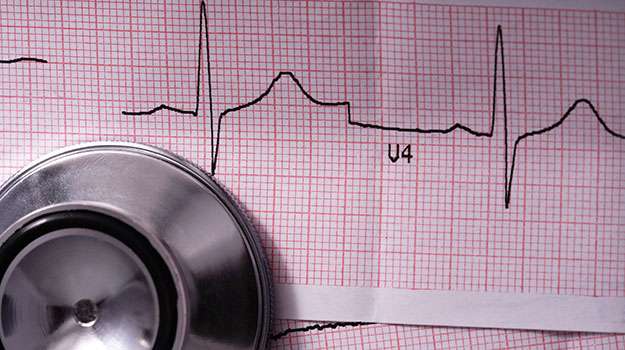
Cardiac catheterization is both a diagnostic and therapeutic procedure allowing healthcare providers access to the heart's chambers. It assists in diagnosing various cardiovascular diseases with precision and offers potential treatment solutions directly within this unique setting.
- This technique often helps determine severity in cases exhibiting symptoms like severe chest discomfort or persistent shortness of breath due to suspected blockages or abnormalities in the coronary arteries.
- Diverse imaging methods paired with catheterization help visualize any narrows or blockages accurately based on results from prior tests like stress exams or ECGs.
- Treatment options through catheterization might involve balloon angioplasty or stenting if blockages are found during this examination phase
- Recovery time varies but generally calls for only minimal rest before returning home after outpatient care; post-procedure instructions are essential.
This combined approach not only provides thorough diagnostics but also immediate treatment solutions when necessary!
TRANSESOPHAGEAL ECHOCARDIOGRAPHY (TEE)
Transesophageal echocardiography (TEE) is an advanced imaging technique that offers clear views of the heart's structures by using an ultrasound probe inserted into the esophagus. This method provides more detailed images than standard transthoracic echocardiograms if needed.
- It’s often employed when clinicians suspect conditions like atrial fibrillation or valve defects that are not clearly visible through regular scans.
- The procedure involves mild sedation for patient comfort and typically lasts about 30 minutes to one hour
- Treatment decisions may stem from TEE findings; they could range from lifestyle changes to further invasive interventions depending on diagnosis.
This highly effective diagnostic tool plays a crucial role in ensuring accurate assessments when evaluating complex cardiac conditions without unnecessary invasiveness.
HOLTER MONITOR
A Holter monitor is a portable device that continuously records the heart's rhythms over 24 to 48 hours. This diagnostic tool helps detect arrhythmias that may not appear during standard testing procedures.
- Common reasons for wearing a Holter monitor include experiencing palpitations, dizziness, or fainting spells without clear explanation.
- It’s attached with small electrodes that send data to a recording device worn on your belt or in a pocket.
- The collected data will be analyzed by your doctor to determine any irregularities in heartbeat patterns.
- This method allows for real-time monitoring during daily activities for comprehensive insights into heart health.
This non-invasive approach aids in diagnosing cardiac conditions effectively while minimizing patient discomfort and inconvenience.
ECHOCARDIOGRAM
An echocardiogram is an ultrasound test that provides vital information about the heart's structure and function. This non-invasive test helps assess various heart conditions effectively.
- This procedure evaluates symptoms such as unexplained fatigue or shortness of breath attributed to potential heart issues.
- It uses sound waves to create detailed images, helping doctors diagnose conditions like heart valve disease or congenital abnormalities.
- The results guide treatment options, which may include lifestyle changes, medications, or surgical interventions depending on severity.
- No special preparation is required, making it accessible for most patients in clinical settings.
A timely echocardiogram can identify serious problems early and improve management strategies for better outcomes.
CORONARY ANGIOPLASTY
Coronary angioplasty is a minimally invasive procedure used to open blocked coronary arteries, improving blood flow to the heart muscle. This treatment is essential for patients experiencing symptoms of coronary artery disease.
- Symptoms of blockage may include chest pain, shortness of breath, and fatigue.
- The condition is typically diagnosed through electrocardiograms (ECGs), stress tests, or coronary angiography.
- Treatment involves threading a catheter through the blood vessels to the affected artery, where a balloon is inflated to widen it.
- Patients can expect a relatively quick recovery time, often returning home the same day or the next.
- Post-procedure care includes medication adherence and lifestyle modifications to prevent future blockages.
This outpatient procedure significantly reduces the risk of heart attacks and enhances overall quality of life.